

A Closer Look at the 2010-2014 Mazda 3 Engine Coolant Temperature Sensor
Is your Mazda 3 running rough, overheating, or getting poor gas mileage? Your coolant sensor might be the culprit.
- Your Mazda 3 has two coolant sensors; diagnose which one is bad before buying.
- Symptoms of a bad sensor include a check engine light, poor MPG, and potential overheating.
- Replacement is a simple DIY job for most owners and can be done in under an hour.
- Choose a quality aftermarket brand like Delphi, NTK, or Standard for a reliable, cost-effective repair.
Symptoms of a Failing Coolant Temperature Sensor

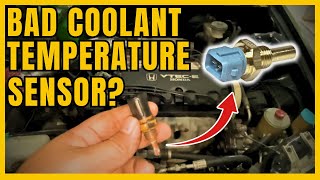
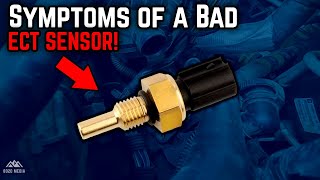
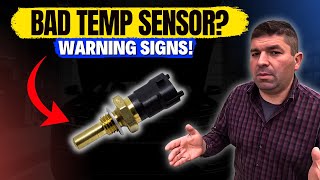
A bad ECT sensor can make your Mazda 3 act up in several ways. Because the sensor's reading is so important, a wrong signal can throw off many of the engine's calculations. You might notice one or more of these issues:
- Check Engine Light: This is often the first sign. The car's computer knows the sensor isn't reading correctly and will trigger a warning light.
- Poor Fuel Economy: If the sensor tells the computer the engine is cold when it's not, the computer will enrich the fuel mixture, causing you to use more gas.
- Engine Overheating: If the sensor fails to tell the computer that the engine is hot, the cooling fans may not turn on when needed. Conversely, the fans might run all the time, even when the engine is cold.
- Rough Idle and Poor Performance: With the wrong fuel and timing adjustments, your engine may idle poorly, hesitate, or feel sluggish during acceleration.
- Black Smoke from Exhaust: A very rich fuel mixture, caused by a false 'cold' signal, can result in unburned fuel burning in the exhaust, creating black smoke.
Important: Two Different Sensors
The 2010-2014 Mazda 3 has two coolant temperature sensors. The primary sensor (ECT #1) is mounted on the engine and provides data to the ECU for engine management. A second sensor (ECT #2) is located on the bottom of the radiator and is primarily used for cooling fan control. Diagnostic codes P2183 and P2185 specifically point to a problem with the radiator-mounted sensor #2. Before ordering, be sure to diagnose which sensor has failed.
Choosing the Right Aftermarket Sensor

When replacing the ECT sensor, you don't have to buy the expensive OEM part from a dealer. Many aftermarket brands offer excellent quality, often for a fraction of the price. Here’s how they generally stack up:
Premium Aftermarket Brands ($25 - $45)
These brands are known for manufacturing parts that meet or exceed original equipment (OE) specifications. They are a reliable choice for a long-lasting repair.
- Delphi: A major OE supplier for many car brands, Delphi sensors are known for accurate readings and durability.
- NTK (by NGK): From the same company famous for spark plugs, NTK sensors are rigorously tested and built to OE standards, often matching the original part's wire and probe length exactly.
- Standard Motor Products (SMP): A long-standing leader in the aftermarket, SMP produces high-quality engine management parts, and their sensors are considered a top-tier choice.
Standard & Value Brands ($12 - $25)
These brands offer a more budget-friendly option. While often perfectly suitable, quality can sometimes be inconsistent compared to premium lines.
- Beck Arnley: This brand sources parts from various manufacturers that supply the original automakers, so you are often getting an OE-quality part in their box.
- Four Seasons, Walker Products, Hella: These are other established aftermarket brands that provide a balance of value and reliability.
While saving money is tempting, avoid the absolute cheapest unbranded sensors. Some forum users have reported issues with inaccurate readings from lower-end parts, leading to the same problems as a failed sensor. Sticking with a reputable brand is a smart investment.
| Part Type | Estimated Cost |
|---|---|
| New OEM (Dealer) | $52 - $65 |
| New Aftermarket | $12 - $44 |
| Shop Labor | $90 - $150 |
Frequently Asked Questions

Where is the ECT sensor located on my 2010-2014 Mazda 3?
There are two. The main sensor (ECT #1) is on the engine, near the thermostat housing on the driver's side. You may need to remove the battery and battery tray to access it. The second sensor (ECT #2) is on the lower part of the radiator.
Can I replace the coolant temperature sensor myself?
Yes, this is a DIY-friendly job for most home mechanics. It requires basic tools, and you should be prepared for a small amount of coolant to spill. Always work on a cool engine. The job typically takes less than an hour.
What happens if I don't replace a bad sensor?
You will continue to experience poor fuel economy and rough engine performance. More critically, you risk engine damage from overheating if the sensor fails to trigger the cooling fans.
Is an OEM sensor better than aftermarket for my Mazda 3?
While an OEM sensor is a guaranteed fit and quality, premium aftermarket brands like Delphi, NTK, and Standard Motor Products offer comparable quality for less money. For a simple component like this, a quality aftermarket part is a very safe and cost-effective choice.
Helpful Videos
![How to Fix P2185 Engine Code in 4 Minutes [3 DIY Methods / Only $7.39]](https://img.youtube.com/vi/gB_tm737Ziw/mqdefault.jpg)
Technical Specifications
OEM Part Numbers: B593-18-840A B593-18-840
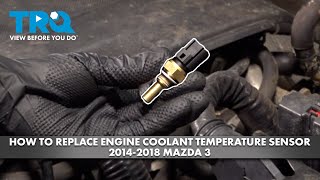
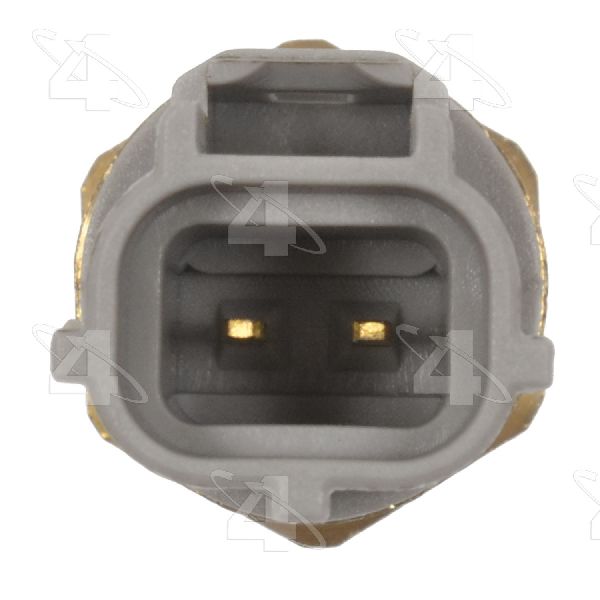
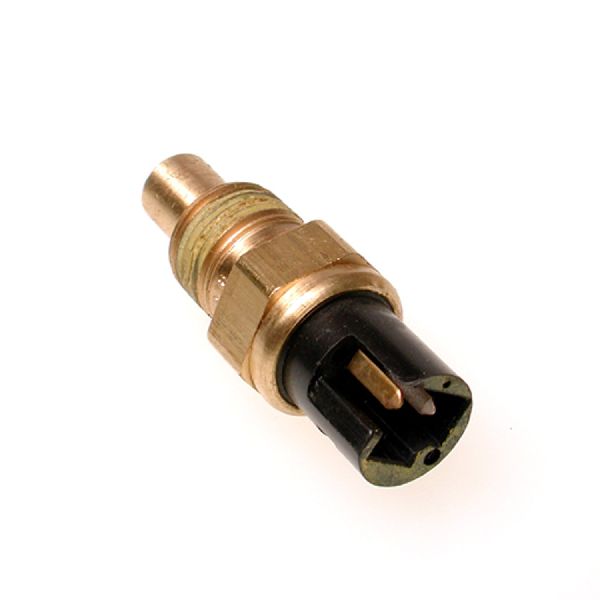
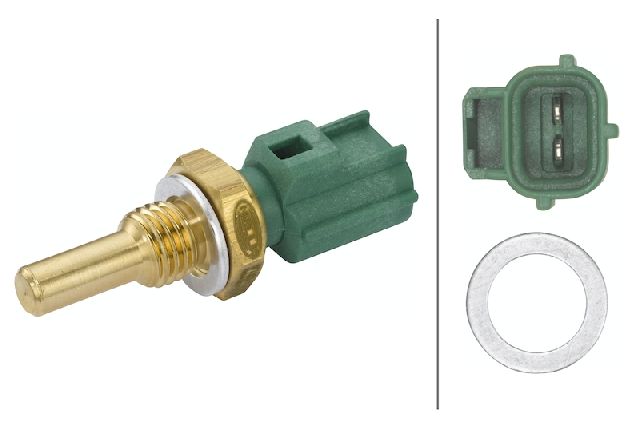
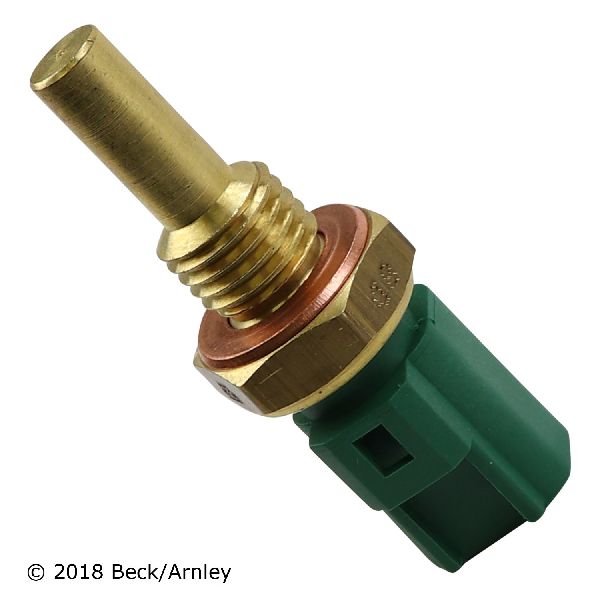
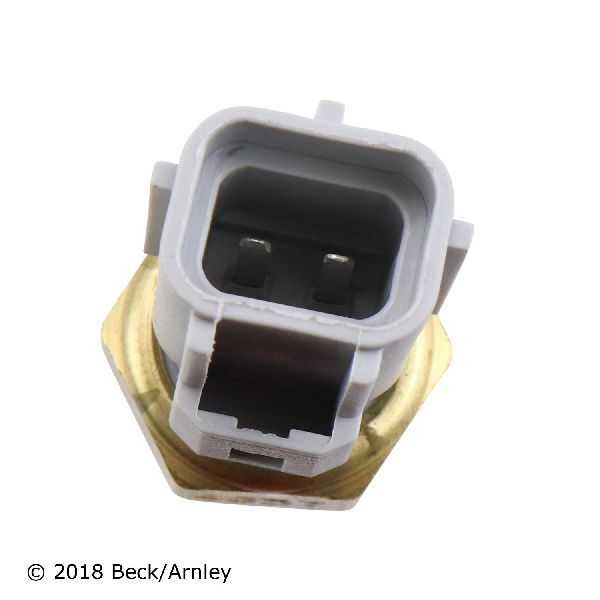
This is typically a 2-terminal, threaded sensor. The main sensor (ECT #1) is located on the engine block, while ECT #2 is on the radiator.
We Have This Part in Stock


The information in this article is provided for general reference and educational purposes only. Vehicle specifications, procedures, and part compatibility can vary by production date, trim level, and region. Always consult your vehicle's factory service manual and verify part numbers before purchasing or performing repairs. Safety-critical components such as airbags, seat belts, and braking systems should be installed by a qualified professional.
- Mazda 3: