

A Guide to Spark Plugs for the 2010-2014 Honda Pilot
Keep your Pilot's 3.5L V6 engine running strong by choosing the right spark plugs.
- Stick to OEM-equivalent NGK or Denso Iridium spark plugs for the best performance and longevity.
- Be aware of the TSB related to oil consumption and fouled plugs, especially on 2010-2013 models.
- Replacement is DIY-feasible, but be prepared for difficult access to the three rear spark plugs.
- The recommended replacement interval is approximately 100,000 miles for Iridium plugs.
Symptoms of Failing Spark Plugs

When your spark plugs are wearing out, your Pilot's engine won't run as it should. You might notice one or more of these signs:
🎬 Watch: A visual guide to common bad spark plug symptoms.- Rough Idling: The engine may shake or vibrate more than usual when you're stopped.
- Poor Acceleration: The vehicle may feel sluggish or slow to respond when you press the gas pedal.
- Reduced Fuel Economy: You may find yourself filling up the gas tank more often. Worn plugs can reduce fuel efficiency by up to 30%.
- Engine Misfires: You might feel a hesitation or stumbling from the engine, especially under load. This can also trigger a flashing Check Engine Light.
- Difficulty Starting: A weak spark can make it harder for the engine to start, especially in cold weather.
Known Issues for This Vehicle

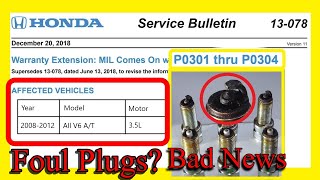
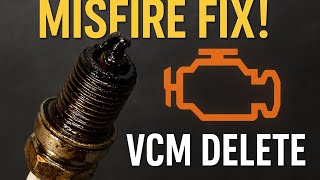
Some 2010-2013 Honda Pilots were subject to a class-action lawsuit and a related Technical Service Bulletin (TSB) for issues with the Variable Cylinder Management (VCM) system. This system could cause excessive oil consumption, leading to fouled spark plugs, particularly in cylinders 1-4. This would trigger misfire codes like P0301, P0302, P0303, and P0304. While Honda extended the warranty and issued a software update to address this, it's a known issue for this generation that can directly impact spark plug life. 🎬 See how to fix VCM-related misfires and fouling issues. There are no specific recalls for spark plugs on the 2010-2014 Pilot.
Choosing the Right Aftermarket Spark Plugs

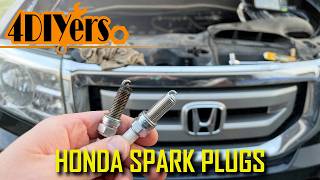
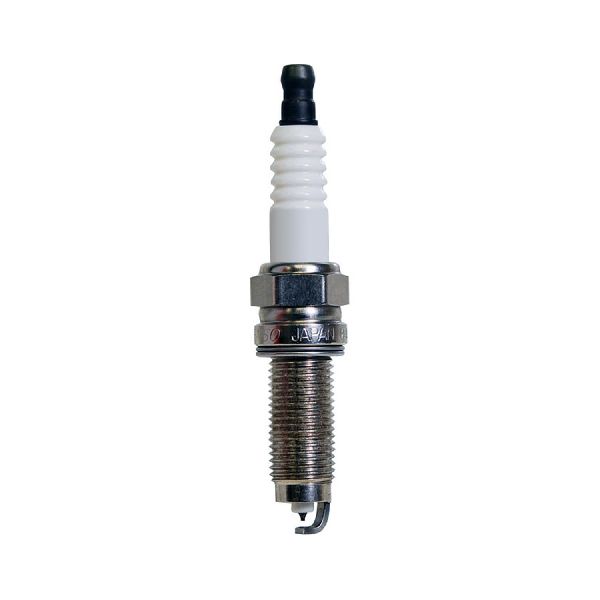
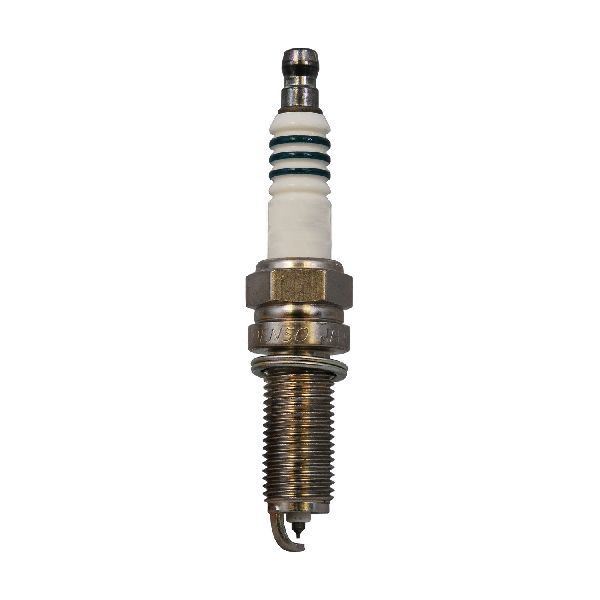
For the 2010-2014 Honda Pilot, the original equipment (OEM) spark plugs are typically made by NGK or Denso. These are high-quality iridium plugs designed for long life. When shopping for aftermarket replacements, you can often buy the exact same plugs without the Honda branding for less money.
Brand Quality Tiers
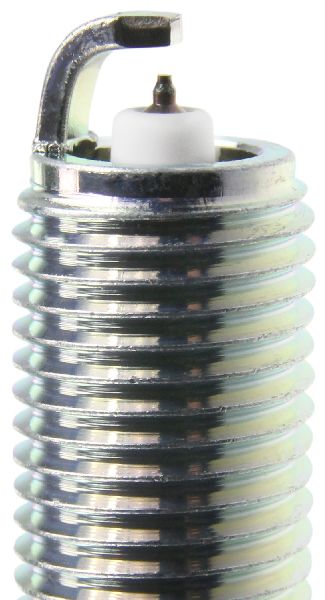
- Top Tier (OEM Equivalent): NGK and Denso are the original suppliers for Honda and are widely recommended by mechanics and owners. Choosing their Iridium plugs, like the NGK Laser Iridium or Denso Iridium Long Life, is the safest bet for maintaining original performance and longevity.
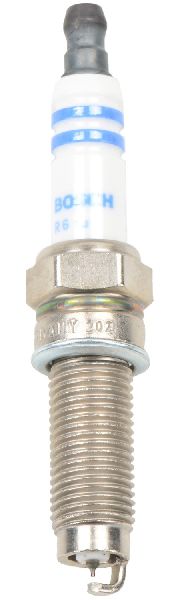
- Mid Tier (Quality Alternatives): Bosch is a reputable brand that also produces high-quality iridium and double platinum plugs that are suitable for the Pilot. They are a solid choice if NGK or Denso are not available.
- Economy Tier (Budget-Friendly): Brands like Autolite and Champion offer more affordable platinum or double platinum options. While they can work, they may not offer the same 100,000-mile lifespan as the OEM-style iridium plugs. If you choose these, plan on a shorter replacement interval.
Pro Tip: Stick with NGK or Denso iridium spark plugs. The V6 engine in the Pilot is known for being reliable, and using the OEM-spec plugs is the best way to ensure it stays that way. The cost difference is minimal when spread over the long life of the plugs.
Installation and Replacement Info

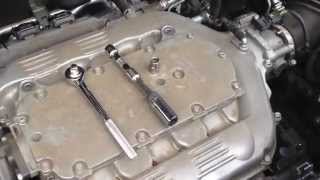
Replacing the spark plugs on the 3.5L V6 is a manageable DIY job for someone with moderate mechanical experience. The three spark plugs in the front of the engine are easy to access. However, the three in the rear, near the firewall, are more difficult to reach and require patience, a step stool, and possibly swivel sockets and extensions. A complete job can take 1 to 2 hours.
🎬 Watch: Step-by-step walkthrough for replacing plugs on this V6 engine.| Item | Cost Range |
|---|---|
| Aftermarket Spark Plugs (per plug) | $11.20 - $35.42 |
| OEM Spark Plugs (per plug) | $22.00 - $34.00 |
| Shop Labor Cost | $110 - $161 |
| Total Professional Replacement | $179 - $411 |
Frequently Asked Questions
How often should I replace the spark plugs?
The recommended replacement interval for the original iridium spark plugs is around 100,000 miles. However, if you notice any of the failure symptoms, you should inspect them sooner. If you use non-iridium plugs, the interval will be shorter.
What is the correct spark plug gap?
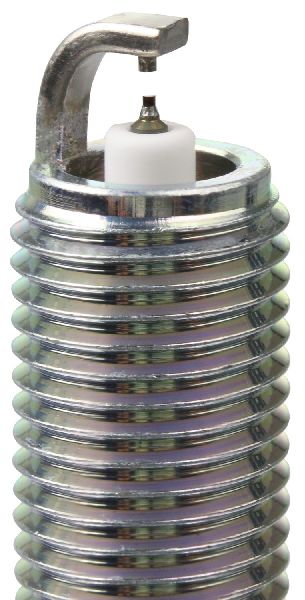
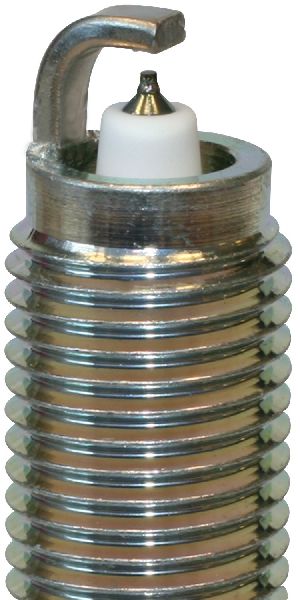
The OEM-recommended NGK and Denso iridium plugs for your Pilot come pre-gapped and should not be adjusted, as you can damage the fine iridium tip. If you must check, the specification is typically 1.1mm or 0.044 inches.
Should I use anti-seize on the spark plug threads?
This is a debated topic. NGK, the OEM supplier, states that their plugs have a special metal plating that prevents seizing, and anti-seize is not needed. Adding it can act as a lubricant and cause you to over-torque the plugs. However, some mechanics still prefer to use a very small amount. The safest approach is to follow the plug manufacturer's recommendation and install them dry and clean.
Should I replace the ignition coils with the spark plugs?
It is not necessary to replace the ignition coils (the parts that connect to the top of the spark plugs) unless one has failed. Unlike spark plugs, coils are not a routine maintenance item. You would replace a coil only if you have a specific misfire code (e.g., P0351) that points to a bad coil.
Helpful Videos

Technical Specifications
OEM Part Numbers: 12290-R70-A01 12290-R9P-A01
The 2010-2014 Honda Pilot uses six spark plugs. The OEM specification is for Iridium plugs, typically NGK ILZKR7B11 or Denso 3461. These plugs come pre-gapped to 0.044 inches (1.1mm) and should not be adjusted. The installation torque is 13 ft-lbs.
We Have This Part in Stock

The information in this article is provided for general reference and educational purposes only. Vehicle specifications, procedures, and part compatibility can vary by production date, trim level, and region. Always consult your vehicle's factory service manual and verify part numbers before purchasing or performing repairs. Safety-critical components such as airbags, seat belts, and braking systems should be installed by a qualified professional.
- Honda Pilot: