

Honda Pilot Oxygen Sensor Guide for 2010-2014 Models
Is a check engine light ruining your drive? Your Pilot's oxygen sensor might be the culprit.
- Your 2010-2014 Pilot has four oxygen sensors; identify the correct one before buying.
- Stick with OEM brands like Denso or NGK/NTK for the best performance and reliability on your Honda.
- A P0420 or P0430 code might be a bad O2 sensor, not always a failed catalytic converter.
- Replacing the sensor is a DIY-friendly job, but you will need a special O2 sensor socket.
Is Your Pilot's Oxygen Sensor Failing?

When an oxygen sensor (or O2 sensor) starts to fail, your Pilot will give you a few warning signs. You can't ignore these signs, as a bad sensor can hurt your fuel economy and even damage a very expensive part: the catalytic converter.
Common Symptoms of a Bad O2 Sensor:
- Check Engine Light: This is the most common sign. A code reader will often show codes related to the sensor's performance, like P0134, P0154, or others.
- Worse Gas Mileage: The engine may use more fuel than necessary because the air-fuel mixture is wrong.
- Rough Idle or Poor Performance: Your Pilot might hesitate or run unevenly, especially when idling.
- Failed Emissions Test: A bad O2 sensor can cause your vehicle to release more pollutants, leading to a failed test.
A Note on P0420 and P0430 Codes
If you see a P0420 or P0430 code, it means the catalytic converter's efficiency is low. While this could mean you need a new converter, a failing downstream O2 sensor can also cause this code. It's often a smart first step to check or replace the O2 sensor before spending money on a new catalytic converter.
🎬 Vea cómo ubicar el sensor del banco 1 para el código P0420.Choosing the Right Aftermarket Oxygen Sensor

Not all aftermarket parts are created equal. For a sensitive part like an O2 sensor, choosing a quality brand is critical for your Honda's performance. Here’s how the available brands generally rank for your Pilot.
Tier 1: OEM Equivalent (Recommended)
Denso & NGK (NTK): These brands are the original equipment manufacturers for Honda. This means the Denso or NTK sensor you buy from an auto parts store is often the exact same part you'd get from a Honda dealer, just in a different box and for less money. For guaranteed fit, performance, and longevity, these are your best choices.
Tier 2: Quality Aftermarket
Bosch: Bosch is a huge name in auto parts and invented the O2 sensor. Their direct-fit sensors are a popular option. However, their reputation among Honda owners is mixed; some have no issues, while others report shorter lifespans compared to Denso or NTK. If you choose Bosch, make sure it's a direct-fit model, not a universal one that requires splicing wires.
Tier 3: Budget Brands
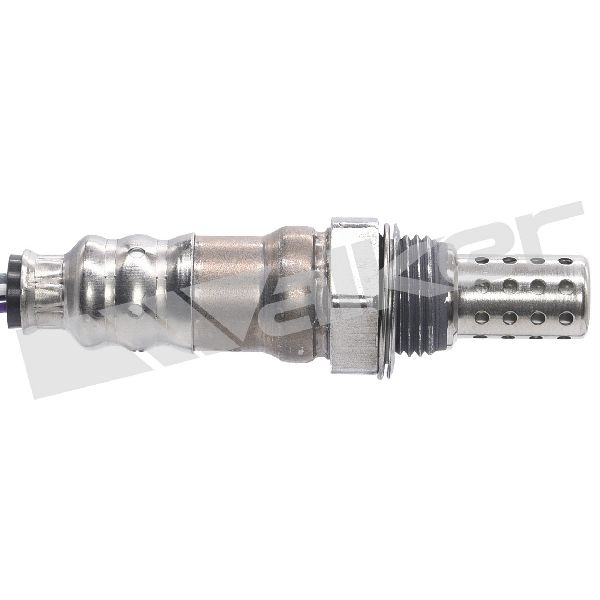
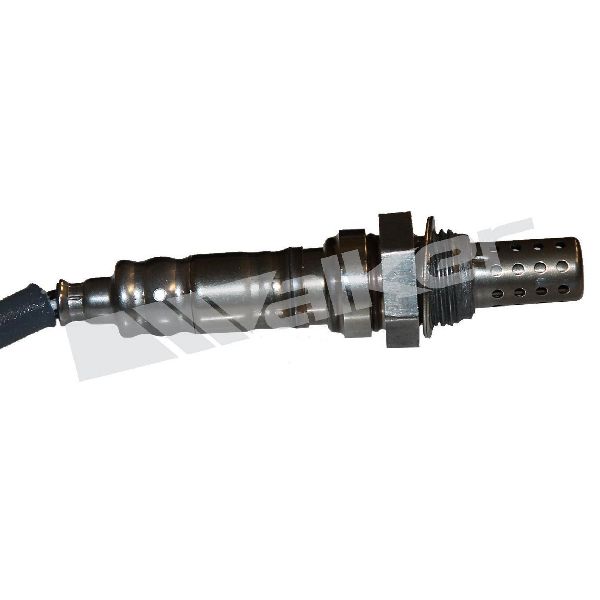
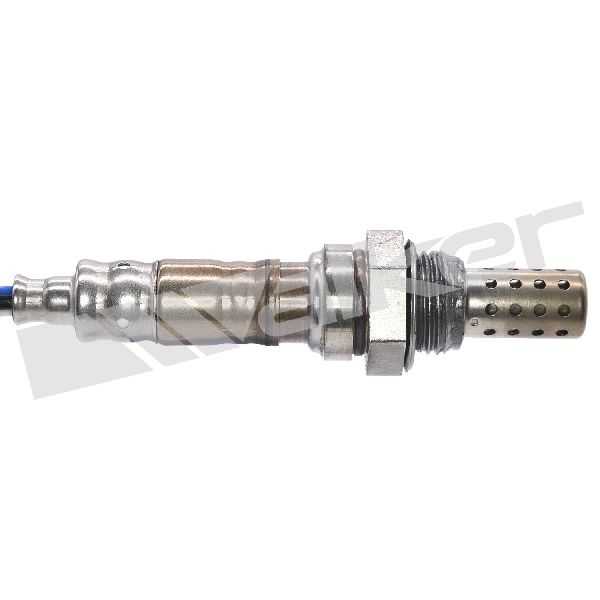
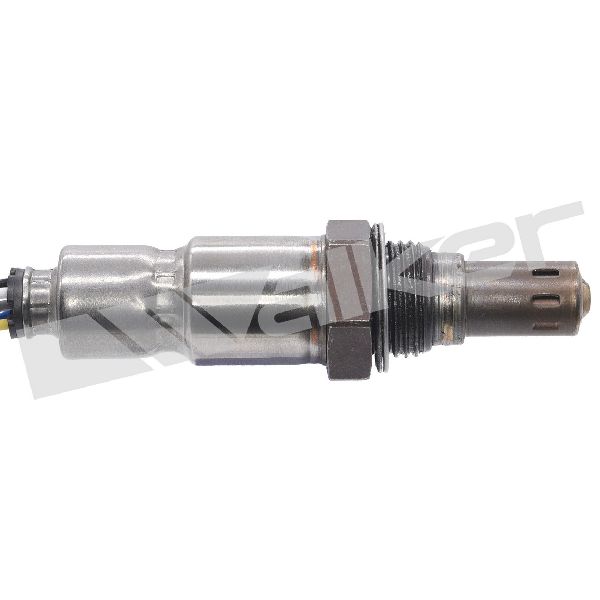
Walker Products & DriveWire: These brands offer a more budget-friendly option. They can be a decent choice if you're on a tight budget, but they may not offer the same long-term reliability or perfect performance as the OEM-tier brands. For a critical sensor, it's usually worth spending a little more for a Denso or NTK part.
What is a Direct-Fit vs. Universal Sensor?
A direct-fit sensor comes with the correct wire length and factory-style electrical connector for your Pilot. You just unplug the old one and plug in the new one. A universal sensor is cheaper but requires you to cut the old connector off and splice it onto the new sensor's wires. For a reliable repair, always choose a direct-fit sensor.
How Much Does a New Oxygen Sensor Cost?

The cost depends on the brand you choose and whether you do the work yourself. Your 2010-2014 Pilot has four sensors, but you usually only replace the one that has failed.
| Part Type | Estimated Cost |
|---|---|
| New Aftermarket Sensor (Denso, NGK, Bosch) | $50 - $125 per sensor |
| New OEM Sensor (from a dealer) | $150 - $250+ per sensor |
| Shop Labor | $80 - $150 per sensor |
Frequently Asked Questions

How many oxygen sensors does a 2010-2014 Honda Pilot have?
It has four sensors. There is one upstream (air-fuel ratio) and one downstream sensor for each of the engine's two cylinder banks.
What's the difference between an upstream and downstream sensor?
Upstream sensors (also called Bank 1 Sensor 1 and Bank 2 Sensor 1) are before the catalytic converter and control the air-fuel mixture. Downstream sensors (Bank 1 Sensor 2 and Bank 2 Sensor 2) are after the catalytic converter and monitor its efficiency.
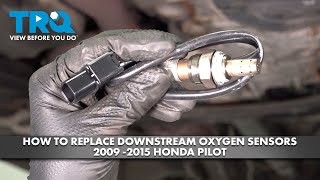
🎬 Watch: Step-by-step guide to replacing your downstream oxygen sensors.Should I replace all four sensors at once?
It's not usually necessary. You only need to replace the sensor that has failed. However, O2 sensors age over time, so if one fails at high mileage, the others might not be far behind. Some mechanics recommend replacing them in pairs (e.g., both upstream sensors) to maintain balanced engine performance.
Can I replace the oxygen sensor myself?
Yes, this is a job many DIYers can handle. You will need a special oxygen sensor socket that allows the wire to pass through. The biggest challenge can be that the old sensor is often seized in the hot exhaust pipe and can be difficult to remove without the right tools and leverage.
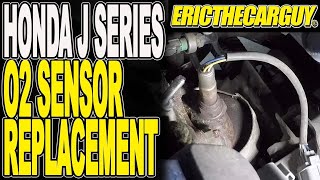
🎬 See this walkthrough for replacing O2 sensors on Honda J-series engines.Helpful Videos
Technical Specifications
OEM Part Numbers: 36531-RN0-A01 36541-R70-A01 36532-R70-A01 36542-RKB-004
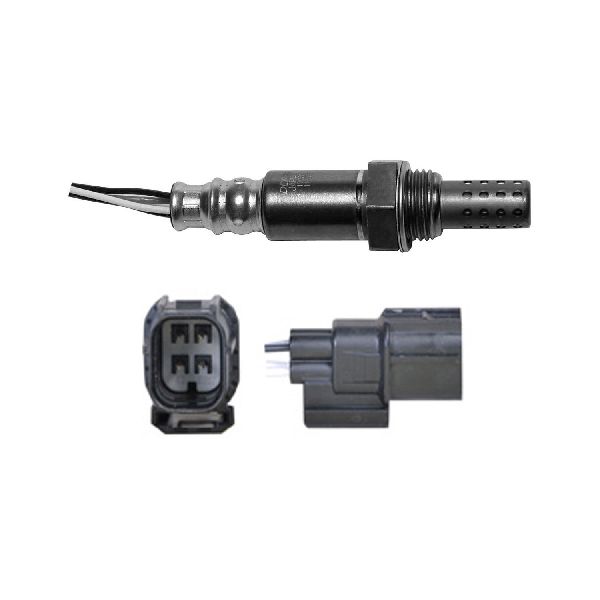
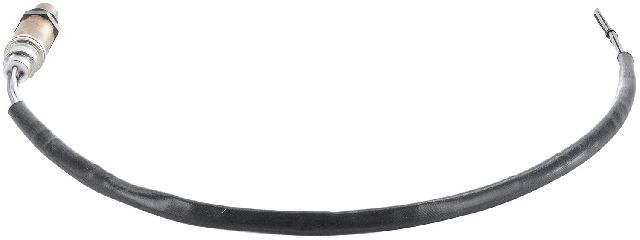
The 3.5L V6 engine uses four heated, 4-wire oxygen sensors. Two are upstream air/fuel ratio sensors and two are downstream monitoring sensors.
We Have This Part in Stock

The information in this article is provided for general reference and educational purposes only. Vehicle specifications, procedures, and part compatibility can vary by production date, trim level, and region. Always consult your vehicle's factory service manual and verify part numbers before purchasing or performing repairs. Safety-critical components such as airbags, seat belts, and braking systems should be installed by a qualified professional.
- Honda Pilot: