

Ford F-150 (2010-2014) Fuel Pressure Sensor: A Complete Guide
Having starting problems or a check engine light on your F-150? Your fuel pressure sensor might be the culprit.
- A bad fuel pressure sensor can cause stalling, hard starts, and a Check Engine Light with codes like P0191.
- Always inspect the Fuel Pump Driver Module (FPDM) near the spare tire for corrosion, as it can cause identical symptoms.
- For a reliable repair, consider a premium aftermarket brand like Standard Ignition, which offers quality similar to OEM.
- Relieving fuel system pressure is the most critical safety step before starting the replacement.
Is Your F-150's Fuel Pressure Sensor Failing?


A bad fuel pressure sensor can cause a surprising number of problems that might seem unrelated. Because the truck's computer relies on this sensor for correct fuel delivery, a bad reading can make the engine run poorly. Often, the symptoms can be mistaken for a bad fuel pump, so it's important to diagnose the problem correctly.
Key Symptoms of a Bad Fuel Pressure Sensor:
- Check Engine Light: This is the most common sign. You'll likely see codes like P0191, P0192, or P0193.
- Hard Starting: The engine may take longer than usual to crank and start, or it might not start at all.
- Rough Idle: The truck may shake or idle unevenly when stopped.
- Stalling: The engine could stall unexpectedly, especially under load or shortly after starting. This is a serious safety concern.
- Poor Acceleration: You might notice hesitation or a lack of power when you press the gas pedal.
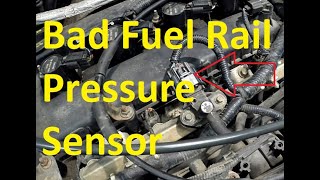
- Worse Gas Mileage: If the sensor is sending incorrect data, the computer may deliver too much fuel, hurting your fuel economy. 🎬 Watch this video to see common symptoms of sensor failure.
Important: Check the Fuel Pump Driver Module (FPDM) First!
On these F-150s, the Fuel Pump Driver Module (FPDM) is a known weak point. It's located above the spare tire and is prone to corrosion, which can cause identical symptoms to a bad fuel pressure sensor, including a P0191 code. Many owners have replaced the sensor only to find the FPDM was the real issue. Always inspect the FPDM for corrosion or damage before replacing the fuel pressure sensor.
Choosing the Right Aftermarket Fuel Pressure Sensor

When replacing the fuel pressure sensor, you have options. While OEM (Motorcraft) is the benchmark, quality aftermarket parts can offer good value. Here's a breakdown of the available brands:
- Premium Aftermarket (Standard Ignition): Standard Motor Products (SMP) is a well-respected brand that often manufactures parts for OEM applications. Their sensors are generally considered high-quality and reliable, making them a top choice if you want a part that's as good as the original without the dealer price tag.
- Mid-Grade/Value (Dorman, Holstein): Dorman is a popular choice known for providing affordable and widely available parts. While many have success with Dorman, quality can sometimes be inconsistent compared to OEM or premium brands. Holstein is another brand in this tier, offering a balance between price and quality.
- Economy (Global Parts): These are typically the most budget-friendly options. They can be a good choice for a quick fix on a budget, but may not have the same long-term durability or precise calibration as higher-tier brands.
Pro Tip: For a critical component like a fuel pressure sensor, spending a little more on a premium aftermarket brand like Standard Ignition can save you from future headaches and ensure your truck runs smoothly.
Cost of Replacing a 2010-2014 F-150 Fuel Pressure Sensor
The cost can vary depending on the brand you choose and whether you do the work yourself or hire a professional.
| Part/Service | Estimated Cost |
|---|---|
| New OEM (Motorcraft) Part | $60 - $100 |
| New Aftermarket Part | $75 - $152 |
| Shop Labor | $100 - $200 |
| Total (Professional Installation) | $135 - $352 |
Frequently Asked Questions

Can I replace the fuel pressure sensor myself?
Yes, this is a DIY-friendly job for someone with basic mechanical skills. The sensor is usually held on by two small bolts. The most important step is to relieve the fuel system pressure before you begin to avoid spraying fuel. Always work on a cool engine and have rags ready to catch any spilled fuel.
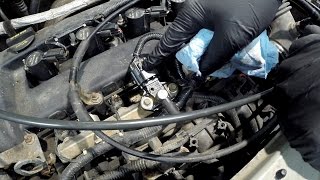
🎬 Follow this step-by-step guide to replace your sensor safely.Where is the fuel pressure sensor located on my 2010-2014 F-150?
The fuel pressure sensor is located on the fuel rail. On the 5.0L V8 and 3.5L EcoBoost engines, it's typically found on the passenger side fuel rail, near the back of the engine. It can be tricky to reach, but it is accessible without removing major components.
🎬 See exactly where the fuel pressure sensor is located.What happens if I don't replace a bad fuel pressure sensor?
Ignoring a failing fuel pressure sensor can lead to more serious issues. You'll experience poor engine performance, bad gas mileage, and could fail an emissions test. The most significant risk is the engine stalling while driving, which can be extremely dangerous.
Are there any recalls for this part?
There are no specific recalls for the fuel pressure sensor on the 2010-2014 Ford F-150. However, there have been recalls on newer F-150 models for faulty low-pressure fuel pumps that can cause similar stalling symptoms. This highlights the importance of proper diagnosis.
Helpful Videos
Technical Specifications
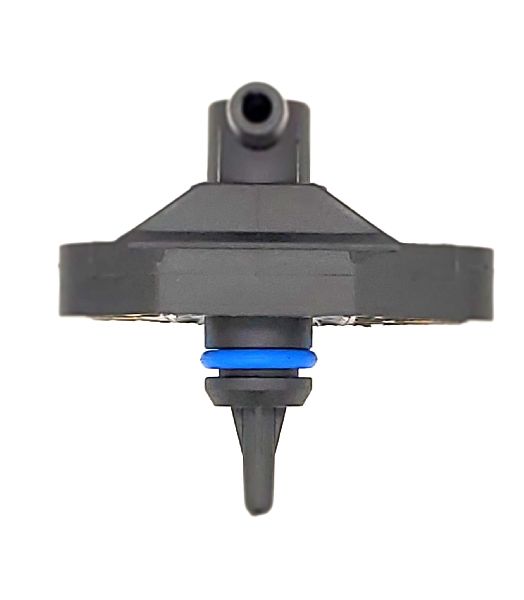
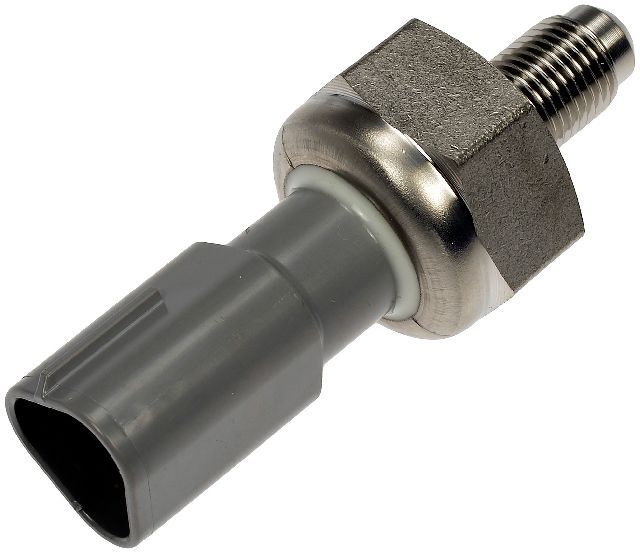
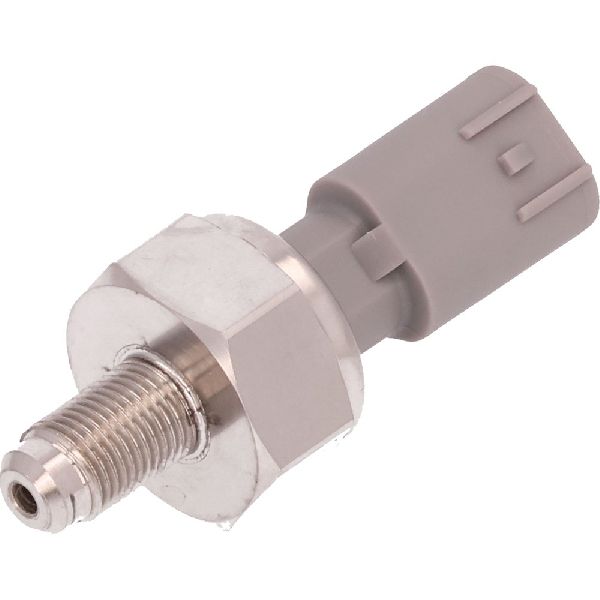
OEM Part Numbers: BU5Z-9F972-B BU5Z-9F972-A CM-5226
The fuel pressure sensor for the 2010-2014 Ford F-150 is typically a 3-pin electronic sensor that mounts directly to the fuel rail. It operates on a 5-volt reference signal from the PCM. The specific sensor may vary depending on the engine (e.g., 5.0L V8 vs. 3.5L V6 EcoBoost).
We Have This Part in Stock


The information in this article is provided for general reference and educational purposes only. Vehicle specifications, procedures, and part compatibility can vary by production date, trim level, and region. Always consult your vehicle's factory service manual and verify part numbers before purchasing or performing repairs. Safety-critical components such as airbags, seat belts, and braking systems should be installed by a qualified professional.
- Ford F-150: