

Audi Q5 Engine Water Pump: A Guide for 2009-2025 Models
Understanding the common failure points and choosing the right replacement water pump for your Audi Q5 is critical to avoiding engine damage.
- Water pump failure is a common and serious issue on many 2009-2025 Audi Q5 models, especially those with plastic housings.
- Symptoms include coolant leaks, overheating, and whining noises; do not drive an overheating vehicle.
- Always replace the thermostat at the same time as the water pump.
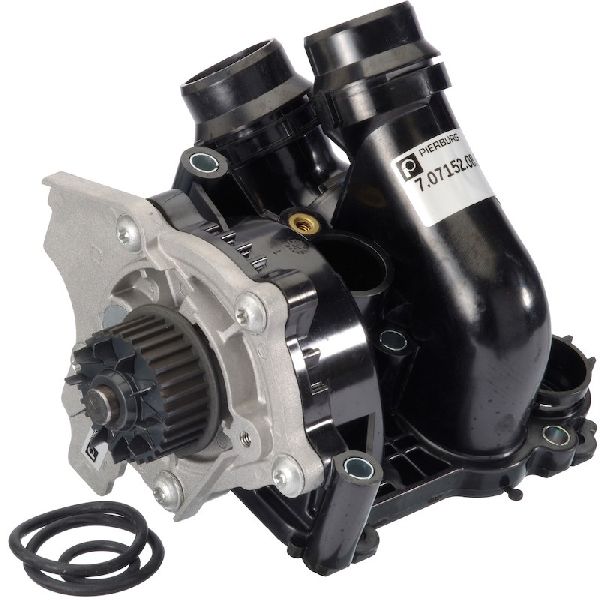
- For 2.0T models, choosing a premium aftermarket pump with a metal housing is a smart upgrade over the failure-prone OEM plastic design.
Understanding Water Pump Issues in the Audi Q5

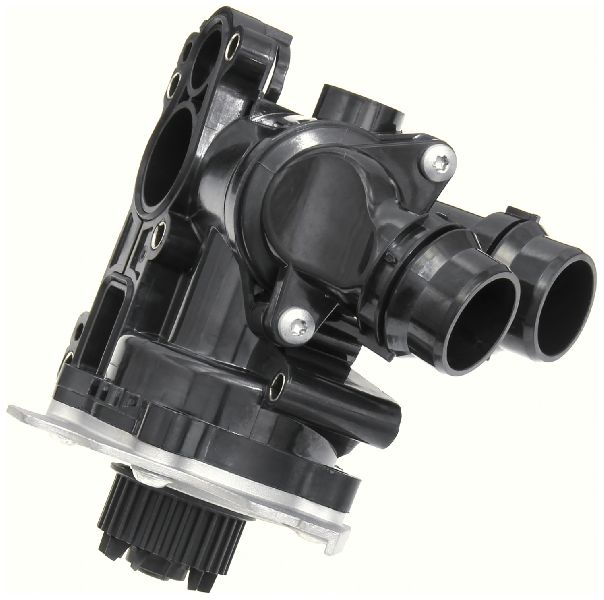
The water pump in the Audi Q5, particularly in models with the 2.0T TFSI engine, is a known weak point. Many earlier models came with a water pump that has a plastic housing. Over time, this plastic can become brittle from constant heat cycles and crack, leading to coolant leaks. The gasket sealing the pump to the engine block is also a common failure point. Some Q5 models were subject to recalls and warranty extensions due to these issues, including a class-action lawsuit settlement covering certain model years for premature water pump failure. It's a critical part to watch, as a failure can lead to rapid overheating and severe engine damage.
Known Issues & Recalls
There has been a significant recall (NHTSA ID: 19N3/19N4) for the electric auxiliary coolant pump on certain 2013-2017 Q5 models with the 2.0L TFSI engine, which could short circuit and pose a fire risk. Additionally, a class-action lawsuit addressed failures of the main engine water pump in many Audi models, including the Q5, leading to an extended warranty for certain vehicles (typically 8 years/80,000 miles). Always check with an Audi dealer to see if your specific VIN is covered by any open recalls or warranty extensions.
Symptoms of a Failing Water Pump

Ignoring the signs of a bad water pump can be catastrophic for your engine. If you notice any of these symptoms, you should have your cooling system inspected immediately.
- Coolant Leaks: You may see puddles of pink or green fluid under the front of your Q5. Sometimes, the leak is slow, leaving a dried, crusty residue on the engine.
- Engine Overheating: If the temperature gauge on your dashboard climbs into the red, or you get an engine overheat warning, the water pump may not be circulating coolant effectively.
- Low Coolant Light: A persistent low coolant warning light, even after topping off the fluid, points to a leak in the system, with the water pump being a prime suspect.
- Whining or Grinding Noises: A high-pitched whine or a grinding sound coming from the front of the engine can be a sign of a failing bearing inside the water pump.
Choosing the Right Aftermarket Water Pump

When replacing the water pump on your Q5, you have options. While an OEM part from the dealer is available, the aftermarket offers a range of parts at different price points. For a critical component like this, quality is key.
Aftermarket brands can be grouped into tiers:
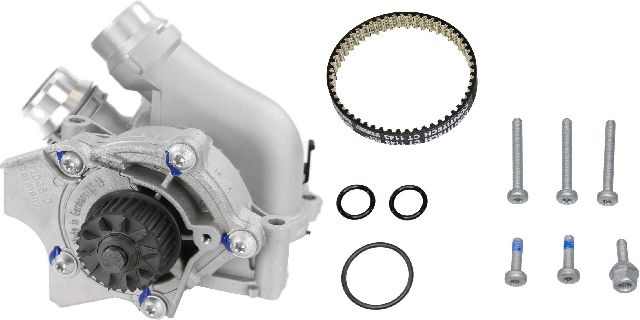
- Premium Aftermarket / OEM Suppliers: Brands like Hepu, Graf, and Saleri are often original equipment manufacturers for Audi and other German brands. These pumps are engineered to meet or exceed OEM standards and are a trusted choice for reliability. Many owners and mechanics recommend these brands. Gates is also a highly respected brand, often sold in kits that include the timing belt and other necessary components.
- Quality Aftermarket: Brands like GMB, Beck Arnley, and Hella have a solid reputation for producing reliable parts. Some, like URO Parts, offer "URO Premium" lines that feature upgraded materials, such as replacing the failure-prone plastic components with aluminum.
- Economy Brands: Brands like DJ Rock, Skyward, and DNJ Engine Components offer a lower-cost alternative. While budget-friendly, they may not offer the same longevity or use the same high-quality materials as premium brands. For a labor-intensive job like a Q5 water pump, using a budget part could mean you'll be doing the job again sooner than you'd like.
Pro Tip: Upgrade to Metal
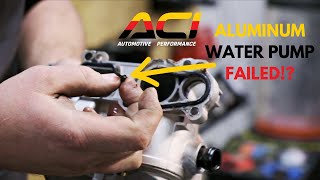
For 2.0T engines that originally came with a plastic water pump housing, it is highly recommended to choose an aftermarket replacement that features an all-aluminum housing. This upgrade directly addresses the common failure point of the original plastic design cracking over time.
Estimated Replacement Costs

The cost to replace a water pump can vary widely based on your engine, location, and the shop you choose. The job is labor-intensive.
| Part/Service | Estimated Cost |
|---|---|
| New OEM Water Pump | $644 - $710 |
| New Aftermarket Water Pump | $48 - $554 |
| Shop Labor | $610 - $896 |
| Total Professional Replacement | $700 - $1,606 |
Frequently Asked Questions
Should I replace the thermostat at the same time?
Yes, absolutely. The thermostat is located with the water pump in a single housing on many Q5 engines. Replacing it at the same time is a smart move because the labor to access it is the same. A new water pump with an old thermostat is asking for trouble. Many mechanics recommend it, and some warranty extensions for the water pump also cover the thermostat.
Is this a DIY-friendly job?
For most home mechanics, this is a difficult job. The water pump on many Q5 engines, especially the 2.0T, is located under the intake manifold and requires removing many other components to access. It can take a professional 4-8 hours. Unless you are a very experienced DIYer with the right tools, this job is best left to a professional shop that specializes in Audi vehicles.
My Q5 has a 3.0T V6 engine. Are the water pumps also a problem?
Yes, the 3.0T supercharged and turbocharged V6 engines used in the Q5, S4, and SQ5 also have known water pump issues. While the design is different from the 2.0T, they are also prone to leaks and premature failure. The replacement cost on these models can be even higher due to complexity.
What kind of coolant should I use in my Audi Q5?
You must use the correct type of coolant specified for your vehicle, which is typically a violet-colored G12++, G13, or a newer compatible fluid. Using the wrong type of coolant can lead to corrosion, blockages, and damage to cooling system components, including the water pump. Never mix different colors or types of coolant.
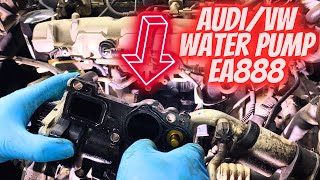
Helpful Videos


Technical Specifications
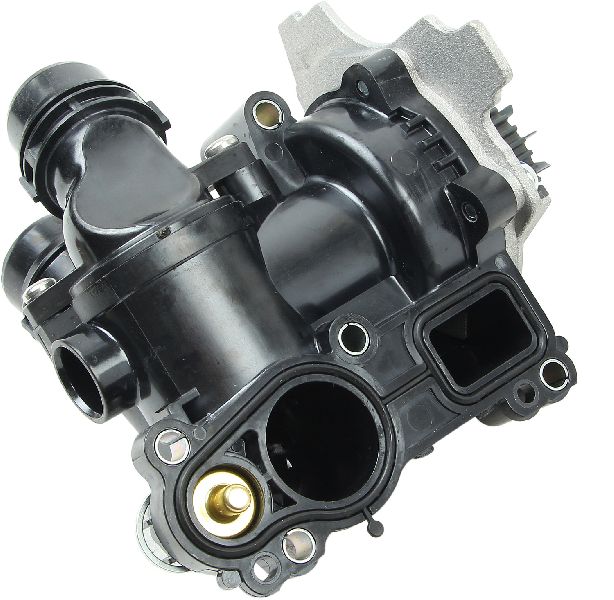
OEM Part Numbers: 06H121026DD 06E121018K 06L121012M 059121008K
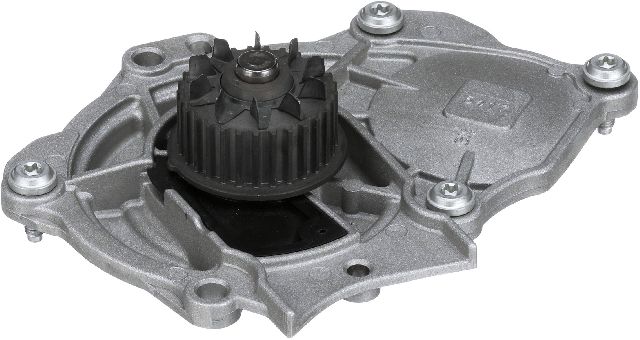
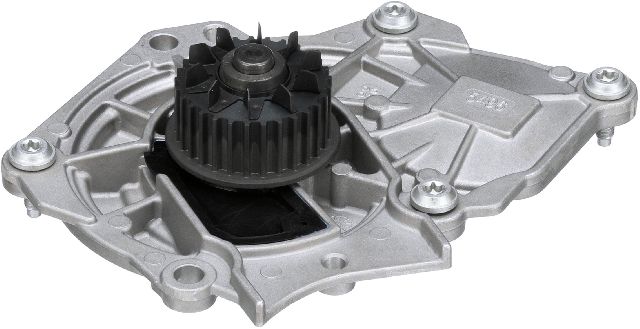
Varies by engine type (e.g., 2.0T TFSI, 3.0T V6, 3.2L V6). Many are a complete assembly including the thermostat housing. Some are belt-driven, others are part of a larger coolant module.
We Have This Part in Stock

The information in this article is provided for general reference and educational purposes only. Vehicle specifications, procedures, and part compatibility can vary by production date, trim level, and region. Always consult your vehicle's factory service manual and verify part numbers before purchasing or performing repairs. Safety-critical components such as airbags, seat belts, and braking systems should be installed by a qualified professional.
- Audi Q5: