

Volkswagen Tiguan Engine Coolant Temperature Sensor: A Complete Guide (2009-2024)
Understanding the signs of a failing coolant sensor in your Tiguan and how to choose the right replacement.
- A failing sensor can cause serious issues like overheating; do not ignore symptoms like a check engine light or erratic temperature gauge.
- For German vehicles, choose a high-quality aftermarket brand like Hella, Vemo, or Delphi for reliability; avoid unbranded parts.
- Coolant leaks on the 2.0T engine often point to a failing water pump/thermostat housing, a more common and expensive repair than just the sensor.
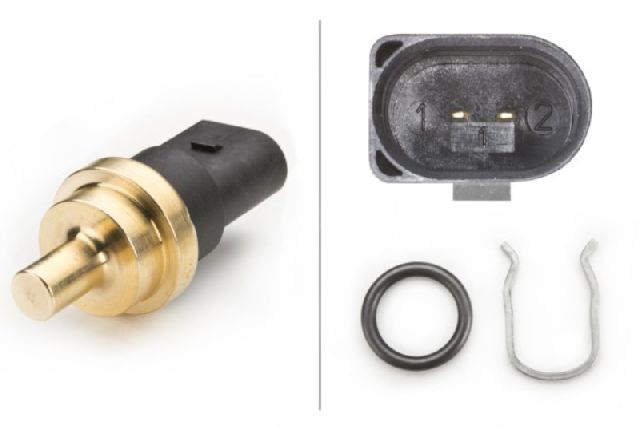
- Always replace the small O-ring and retaining clip with the sensor to ensure a proper seal and prevent leaks.
Signs of a Failing Coolant Temperature Sensor in a VW Tiguan


A bad coolant temperature sensor can cause a surprising number of problems in your Tiguan. Because the ECU relies on its data for so many functions, a false signal can make the engine behave erratically. Watch for these common symptoms:
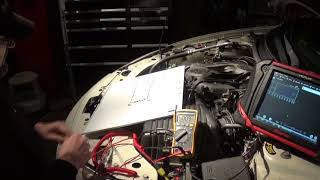
- Check Engine Light: This is often the first sign. The ECU will log a fault code, typically P0117 (signal too low) or P0118 (signal too high), and illuminate the light on your dashboard. 🎬 Watch: A detailed diagnosis of P0117 and P0118 fault codes.
- Engine Overheating: If the sensor fails to report that the engine is hot, the cooling fans may not turn on when needed, leading to overheating. This can cause serious engine damage if ignored.
- Cooling Fans Run Constantly: Conversely, if the sensor sends a false high-temperature signal, the cooling fans might run all the time, even when the engine is cold.
- Poor Fuel Economy: A false 'cold' signal can cause the ECU to enrich the fuel mixture (run rich), as if the engine is still warming up. This wastes fuel and can lead to black smoke from the exhaust.
- Rough Idle and Hard Starts: The engine may struggle to start, especially in cold weather, or idle roughly because the ECU is using the wrong fuel and timing settings based on incorrect temperature data.
- Erratic Temperature Gauge: The needle on your dashboard's temperature gauge may jump around, read very high or very low, or not move at all.
A Note on Water Pumps and Thermostat Housings
On the 2.0T TSI engine used in the Tiguan, it is very common for the entire water pump and thermostat housing assembly to fail, usually by developing a plastic crack and leaking coolant. Often, symptoms that seem like a bad sensor are actually caused by a failing water pump assembly or low coolant levels. Many shops will recommend replacing the entire assembly, as the sensor is integrated into it. If you have a coolant leak, address that first, as it is a more serious issue.
Choosing the Right Aftermarket Coolant Sensor


While an OEM sensor from a dealer is always an option, many high-quality aftermarket brands offer excellent performance, often at a better price. For critical electronic sensors on a German vehicle, it's best to avoid the cheapest, no-name options and stick with reputable manufacturers.
Tier 1: OE-Equivalent Brands
These brands are often the original equipment manufacturers for Volkswagen. They provide the best fit and performance, equivalent to the part you'd get from a VW dealer.
- Hella: A top-tier German brand and a known OE supplier for many European cars.
- Vemo: Another quality German brand. It's not uncommon to find Vemo parts that are identical to OEM parts.
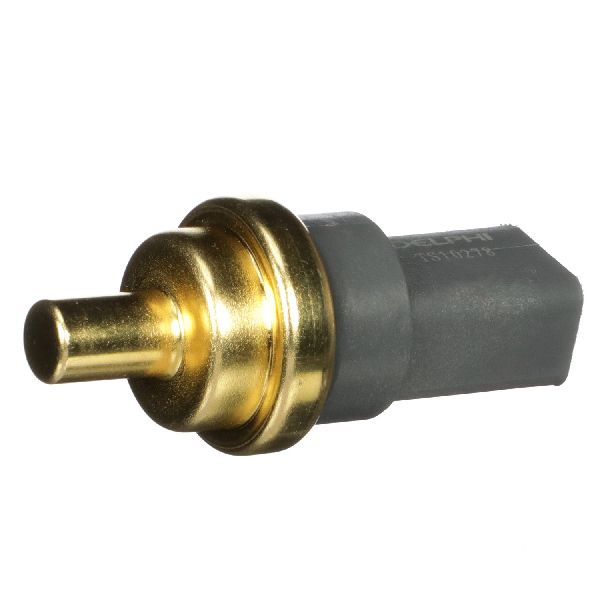
- Delphi: A major global OE supplier with a strong reputation for electronics.
- NGK / NTK: While famous for spark plugs, NTK is a leading OE sensor manufacturer with a reputation for quality.
Tier 2: Trusted Aftermarket Brands
These brands are well-regarded in the industry for producing reliable parts that meet or exceed OEM specifications.
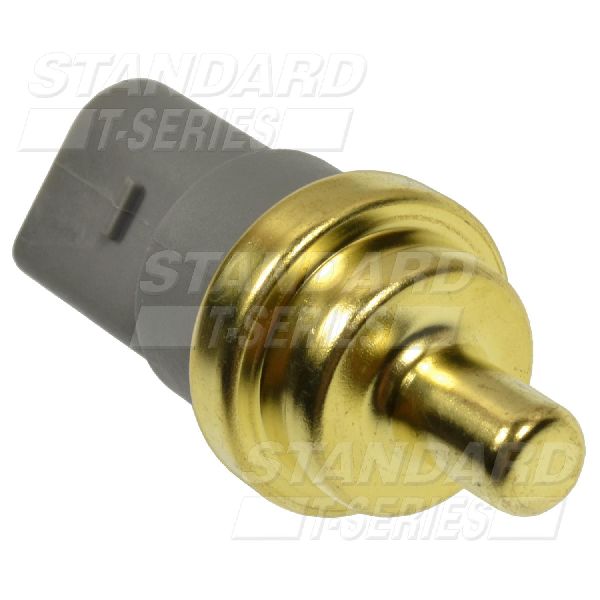
- Standard Ignition (SMP): A long-standing company known for quality electronic components.
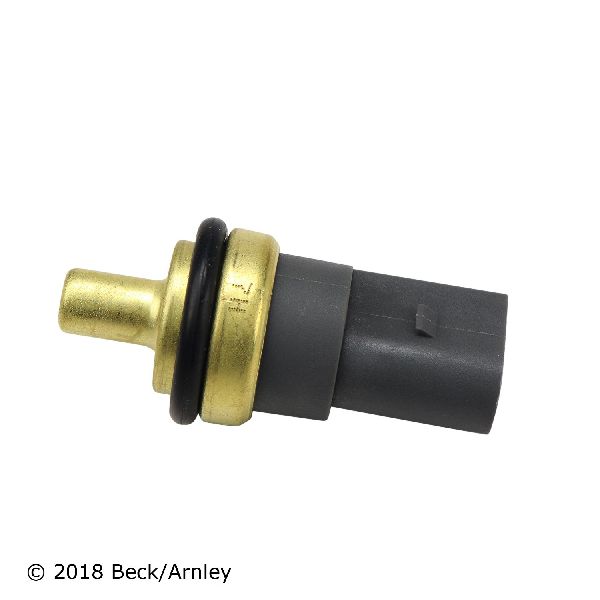
- Beck Arnley: Focuses on sourcing parts that match the original form, fit, and function for specific vehicles.
- Holstein: A reputable supplier of a wide range of automotive sensors.
Tier 3: Value Brands
These brands offer a budget-friendly solution. They can be a good choice for older vehicles or if cost is the primary concern, but may not offer the same long-term durability as higher-tier options.
- Four Seasons: Primarily known for climate control parts, but offers a range of sensors.
- Global Parts / True Tech: Value-focused brands that provide a functional, low-cost alternative.
Common Ordering Mistake
The 2009-2017 (Gen 1) and 2018-2024 (Gen 2) Tiguans use different cooling systems. The Gen 1 Tiguan typically uses a single, 2-pin sensor (Part No. 06A919501A). The Gen 2 Tiguan has two sensors: one on the engine block and another on the lower radiator hose. Always verify which sensor your vehicle needs before ordering. Also, don't forget to purchase a new O-ring and retaining clip, as they are often sold separately and should always be replaced with the sensor.
Cost to Replace a VW Tiguan Coolant Sensor
The cost can vary significantly based on what is being replaced. The sensor itself is inexpensive, but it is often part of a larger, more expensive repair.
| Part / Service | Estimated Cost | Notes |
|---|---|---|
| Aftermarket ECT Sensor Only | $13 - $44 | This is the price for just the sensor itself from the brands listed above. |
| OEM ECT Sensor Only | $25 - $60 | Price for a genuine VW-branded sensor from a dealer or online retailer. |
| Shop Labor (Sensor Only) | $98 - $153 | Represents about 1-1.5 hours of work. |
| Water Pump/Thermostat Assembly | $350 - $500+ | This is a much larger job. The high part cost reported by some estimators reflects replacing the entire assembly, which is a common failure point. |
Frequently Asked Questions
Is there a recall on the Tiguan coolant temperature sensor?
No, there are no active safety recalls specifically for the engine coolant temperature sensor on the 2009-2024 Tiguan. However, there was a service campaign (19O3) for some 2018 models where the coolant reservoir could leak onto the *coolant level sensor* connector, which is a different part.
Can I replace just the sensor, or do I need the whole water pump assembly?
You can replace just the sensor if it is the only part that has failed. However, if you have any signs of a coolant leak around the front of the engine, the entire water pump and thermostat housing assembly is likely the culprit and should be replaced. Given the high failure rate of the plastic housing, many owners choose to replace the whole unit as a preventative measure if they are already working in that area.
🎬 Watch: How to replace the entire 2.0T water pump assembly.Where is the coolant temperature sensor located on a Tiguan?
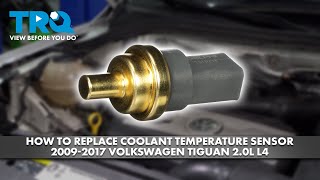
On first-generation Tiguans (2009-2017), the main sensor (G62) is typically located on the thermostat housing, under the intake manifold. 🎬 See this step-by-step sensor replacement for 2009-2017 models. On second-generation models (2018-2024), there are two sensors; the primary one that commonly fails is on the engine block, accessible after removing the airbox, while a second is on the lower radiator hose.
Do I need to drain the coolant to replace the sensor?
You do not need to drain the entire system, but some coolant will spill out when you remove the old sensor. Work quickly to swap the new sensor in to minimize loss. Have a catch pan ready and be prepared to top off the coolant with the correct VW-spec fluid (G12/G13 or newer) afterward.
Helpful Videos



Technical Specifications
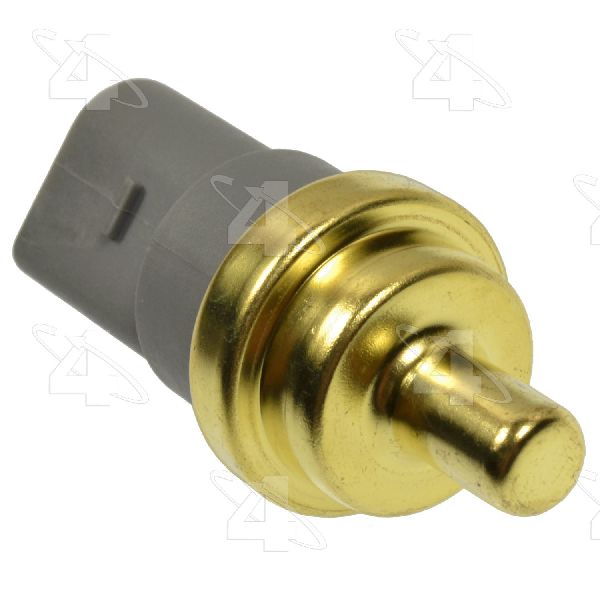
OEM Part Numbers: 06A919501A 059919501A 03F919501B
The most common sensor for the Gen 1 Tiguan (2009-2017) is a 2-pin, clip-in style sensor. The Gen 2 (2018-2024) uses two different sensors. Always verify the part number and pin count on your original sensor before ordering a replacement.
We Have This Part in Stock


The information in this article is provided for general reference and educational purposes only. Vehicle specifications, procedures, and part compatibility can vary by production date, trim level, and region. Always consult your vehicle's factory service manual and verify part numbers before purchasing or performing repairs. Safety-critical components such as airbags, seat belts, and braking systems should be installed by a qualified professional.
- Volkswagen Tiguan: