

Toyota Highlander Crankshaft Position Sensor (2009-2024): A Mechanic's Guide
Stalling, hard starts, or a check engine light on your Highlander could point to this critical sensor.
- A failing sensor can cause dangerous stalling; do not drive if you suspect a problem.
- The most common symptom is a Check Engine Light with code P0335.
- For best results, choose an OEM-supplier brand like Denso for this critical part.
- Replacement on V6 models is difficult due to the sensor's location behind the A/C compressor.
Understanding Crankshaft Sensor Failure in Your Highlander

A failing crankshaft position sensor in a 2009-2024 Toyota Highlander can cause a range of problems, from annoying to dangerous. The most severe issue is sudden engine stalling while driving, which can be a major safety risk. You might also experience difficulty starting the engine, where it cranks longer than usual or fails to start entirely. Other common symptoms include rough idling, engine misfires, jerky acceleration, and a noticeable drop in fuel economy. 🎬 Watch a breakdown of common Toyota crankshaft sensor failure symptoms. In nearly all cases, a faulty sensor will trigger the Check Engine Light on your dashboard.
Can I Drive with a Bad Crankshaft Sensor?
It is not recommended. A complete sensor failure can leave you stranded without warning, as the engine may not restart. More critically, the engine could stall while you are driving, increasing the risk of a crash. It's best to get the vehicle inspected and repaired as soon as possible.
Known Issues, Recalls, and TSBs

While searching for widespread, long-term issues related to the crankshaft position sensor itself across the 2009-2024 model years, no specific recalls or Technical Service Bulletins (TSBs) for this particular part were found. However, it's important to note a recall for some 2020 Toyota Highlander models (equipped with the 3.5L V6 engine) due to an ECU programming error related to the stop-start feature, which could cause stalling. This recall (20TA06) was addressed with a software update, not a sensor replacement, but the primary symptom—stalling—can be similar to a sensor failure. Always check your VIN on the NHTSA website to see if any recalls apply to your specific vehicle.
Choosing the Right Aftermarket Sensor

When replacing the crankshaft sensor, you have a choice between OEM and a wide range of aftermarket brands. For a critical component like this, quality matters.
Aftermarket Brand Tiers for Toyota
| Tier | Brands | Assessment |
|---|---|---|
| OEM Supplier (Best Choice) | Denso | Denso is a primary OEM supplier for Toyota. Buying a Denso-branded sensor is often the exact same part you'd get from the dealer, just in a different box and at a lower price. This is the most recommended aftermarket option for reliability and perfect fitment. |
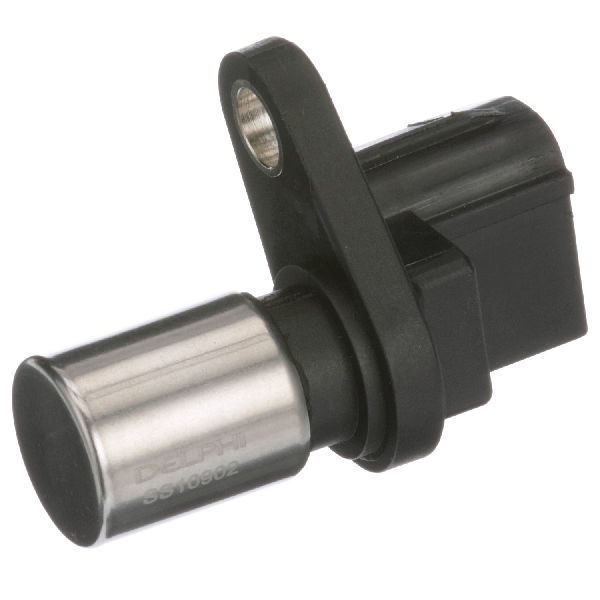
| High-Quality Aftermarket | NGK/NTK, Delphi, Standard Motor Products (SMP), Beck Arnley | These brands have a strong reputation for producing reliable engine management parts. NGK (under their NTK sensor line) and Delphi are well-regarded. Standard Motor Products is a long-standing brand, and Beck Arnley often sources parts from OEM manufacturers. These are solid choices if a Denso part isn't available. |
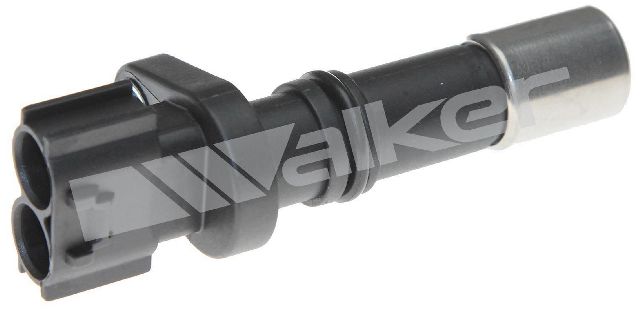
| Economy/Budget | Dorman, Walker, Spectra, and other lower-priced brands | While more affordable, the quality of these sensors can be inconsistent for critical electronics. They may work, but their longevity and reliability can be a gamble compared to higher-tier brands. Given the sensor's importance and the potential for being stranded, it's often worth spending more for a reputable brand. |
Pro Tip: For a Toyota, always check if a Denso part is available first. It's the closest you can get to OEM quality without the dealership price tag. Many forum users and mechanics strongly recommend sticking with OEM or OEM-supplier parts for critical sensors to avoid premature failure and diagnostic headaches.
Frequently Asked Questions (FAQ)

Where is the crankshaft position sensor located on a Toyota Highlander?
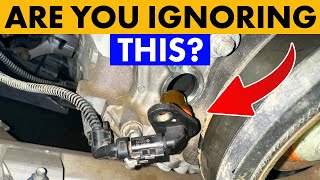
The location can vary slightly by engine and year. On many V6 Highlanders (like the 3.5L 2GR-FKS), the sensor is located on the front of the engine, near the main crankshaft pulley (harmonic balancer), but it is often tucked behind the A/C compressor. This can make access difficult. 🎬 See the exact crankshaft sensor location on a V6 Highlander. For some 4-cylinder models from earlier in the generation, access may require removing the alternator. You may need to access it from underneath the vehicle after removing splash shields.
What are the common trouble codes for a bad crankshaft sensor?
The most common trouble code is P0335 (Crankshaft Position Sensor 'A' Circuit Malfunction). This code is set when the vehicle's computer (ECU/PCM) loses the signal from the sensor. 🎬 Learn more about diagnosing and fixing the P0335 trouble code. You might also see misfire codes (P0300-P0308) as a secondary result of the incorrect timing information.
Is this a difficult part to replace myself?
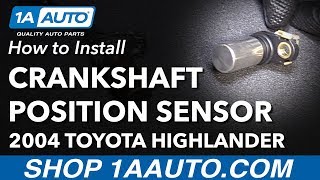
For V6 models, this can be a challenging DIY job due to the sensor's location behind the A/C compressor. It may require loosening and moving the compressor without disconnecting the lines. For some 4-cylinder models, the alternator may need to be removed. If you are not an experienced mechanic, this job might be best left to a professional due to the tight access and potential for complications.
Will a new sensor need to be programmed?
Generally, Toyota crankshaft position sensors do not require a special programming or "relearn" procedure after installation. The engine computer should recognize the new sensor's signal after it's installed and the codes are cleared. However, some vehicles can have a relearn procedure, which sometimes involves a specific drive cycle.
Helpful Videos

Technical Specifications
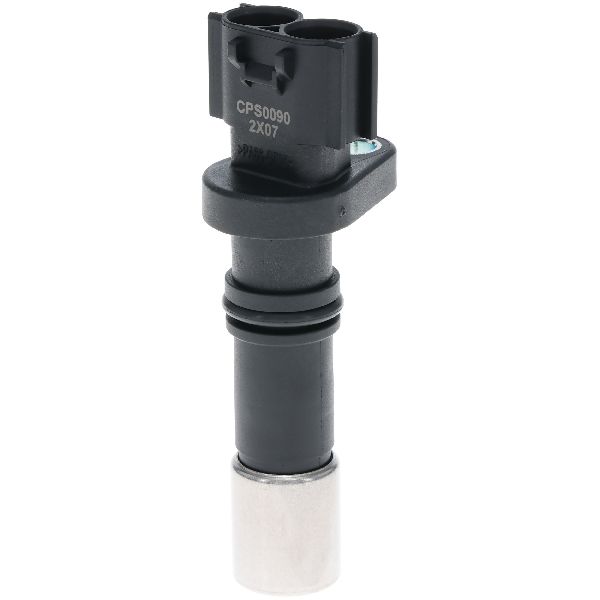
OEM Part Numbers: 90919-05071 90919-A5004 90919-05061
The sensor is typically a Magnetic Resistant Element (MRE) or Hall-Effect type sensor that generates a signal based on the rotation of a toothed reluctor wheel on the crankshaft.
We Have This Part in Stock


The information in this article is provided for general reference and educational purposes only. Vehicle specifications, procedures, and part compatibility can vary by production date, trim level, and region. Always consult your vehicle's factory service manual and verify part numbers before purchasing or performing repairs. Safety-critical components such as airbags, seat belts, and braking systems should be installed by a qualified professional.
- Toyota Highlander: