

Ford Escape Fuel Injector: Understanding Replacement and Known Issues (2009-2024)
Is your Escape running rough, losing power, or smelling like gas? A bad fuel injector could be the problem.
- CRITICAL RECALL: Owners of 2020-2023 Escapes with the 1.5L engine must check for the fire-risk fuel injector recall (NHTSA #22S73).
- Match the injector to your specific engine (2.5L Port vs. 1.5L/1.6L/2.0L GDI EcoBoost) as they are not interchangeable.
- For EcoBoost engines, professional installation is highly recommended due to the high-pressure fuel system.
- A strong fuel smell is a serious symptom that requires immediate attention to avoid a potential fire.
Is Your Ford Escape Showing Signs of a Bad Fuel Injector?


When a fuel injector starts to fail, it disrupts the engine's ability to run smoothly. Because it controls the fuel, the symptoms are often noticeable and shouldn't be ignored. You might experience one or more of the following issues.
IMPORTANT SAFETY RECALL NOTICE
Ford has issued a major safety recall for certain 2020-2023 Ford Escape models equipped with the 1.5L EcoBoost engine due to fuel injectors that may crack. A cracked injector can leak fuel or fuel vapors onto hot engine surfaces, creating a significant risk of an under-hood fire. If you own an Escape from these years, it is critical to check if your vehicle is part of this recall by entering your Vehicle Identification Number (VIN) on the NHTSA website. A strong smell of gasoline is a primary warning sign. Ford's remedy includes a software update and the installation of a tube to drain fuel away from hot surfaces.
Symptoms of a Failing Fuel Injector
Beyond the critical recall, fuel injectors on any Escape model can fail from age, clogging, or electrical issues. Here are the common signs:
- Check Engine Light: A faulty injector can trigger the check engine light. Common codes include P0300-P0308 (cylinder misfire) or P0201-P0208 (injector circuit malfunction).
- Rough Idle and Misfires: The engine may shake, sputter, or feel unbalanced at a stop. This happens because one or more cylinders isn't getting the right amount of fuel, causing incomplete combustion.
- Poor Fuel Economy: If an injector is stuck open or leaking, it wastes fuel, and you'll notice a drop in your miles per gallon (MPG).
- Hesitation or Loss of Power: When you press the gas pedal, the vehicle may stumble or fail to accelerate smoothly because the engine is starved for fuel.
- Fuel Smell: A distinct gasoline odor around your vehicle can indicate an injector is leaking externally, which is a serious fire hazard.
Choosing the Right Aftermarket Fuel Injector

When replacing a fuel injector, you have several options. For the sensitive EcoBoost engines, sticking to high-quality brands is highly recommended to ensure proper performance and avoid further issues.
OEM (Motorcraft): Motorcraft is Ford's official parts brand. These injectors are identical to the ones your Escape was built with. They guarantee perfect fit and function but are typically the most expensive option.
Premium Aftermarket (Bosch): Bosch is a massive, highly respected parts manufacturer that supplies many automakers, including Ford. Their aftermarket injectors are often considered OEM-equivalent in quality and performance, sometimes at a lower price point. For any EcoBoost engine, Bosch is a very reliable choice.
Quality Aftermarket (Standard Ignition): Standard Motor Products (SMP) is a well-known aftermarket brand that produces a wide range of vehicle components. Their injectors are designed to meet or exceed OE specifications for flow rate and spray pattern. While generally reliable, quality can sometimes be inconsistent compared to OEM or Bosch.
Value Aftermarket (GBR Fuel Injection): Brands like GBR offer a more budget-friendly option. These are often remanufactured or new units built to be a cost-effective alternative. While they can be a good value, especially for older, non-GDI engines like the 2.5L, their long-term durability and performance consistency may not match premium brands.
| Part Type | Estimated Cost (Per Injector) |
|---|---|
| New OEM (Motorcraft) | $150 - $350+ |
| New Aftermarket (Premium) | $80 - $200 |
| New Aftermarket (Value) | $43 - $90 |
| Shop Labor | $150 - $400+ (Varies by engine) |
Pro Tip: Fuel injectors for Gasoline Direct Injection (GDI) engines (1.5L, 1.6L, 2.0L EcoBoost) are more complex and expensive than the port injectors used in the 2.5L engine. Labor costs are also higher for GDI engines due to the high-pressure fuel system.
Frequently Asked Questions (FAQ)

Can I replace just one fuel injector?
Yes, you can replace only the failed injector. However, mechanics often recommend replacing them as a set, especially on high-mileage vehicles. Since all injectors have aged together, the failure of one can indicate that others may fail soon. Replacing them all at once ensures balanced fuel flow and can save on future labor costs.
Is replacing a fuel injector a DIY job?
It depends on your engine and skill level. On an older 2.5L engine, the job is more straightforward for an experienced DIYer. However, on EcoBoost GDI engines, the fuel system is under extremely high pressure. Special tools and procedures are required to safely relieve this pressure before work begins. Due to the complexity and safety risks, professional installation is strongly recommended for GDI engines.
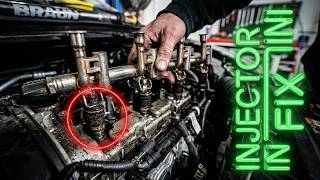
🎬 Watch this professional walkthrough of an EcoBoost injector replacement.Do new fuel injectors need to be programmed?
For most Ford Escape models covered here, new fuel injectors do not require programming to the vehicle's computer (ECU). They are generally plug-and-play. However, some very modern GDI systems on other vehicles do require calibration, so it's always good practice to check the service manual for your specific year and engine.
What's the difference between a GDI and Port injector?
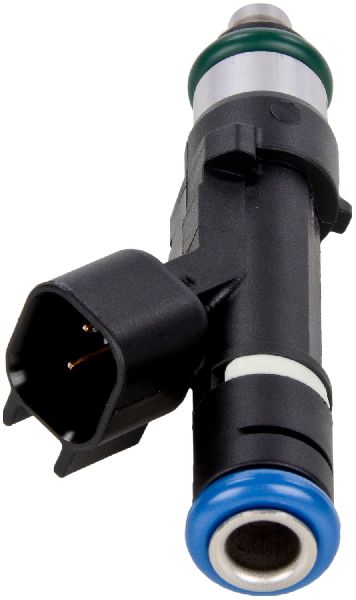
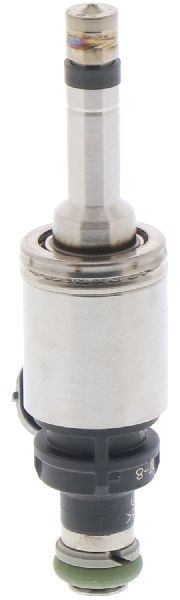
A port injector sprays fuel into the intake manifold, where it mixes with air before entering the cylinder. This is how the 2.5L engine works. A GDI (Gasoline Direct Injection) injector sprays fuel directly into the cylinder under much higher pressure. This is used in the 1.5L, 1.6L, and 2.0L EcoBoost engines. GDI injectors are more precise but also more complex and operate in a harsher environment.
Helpful Videos
Technical Specifications
OEM Part Numbers: CM5283 FB5Z9F593C CJ5Z9F593A CM5220 0280158162 9E5Z-9F593-A
Varies significantly by engine type. 2.5L engines use port fuel injectors. 1.5L, 1.6L, and 2.0L EcoBoost engines use high-pressure Gasoline Direct Injection (GDI) injectors.
We Have This Part in Stock


The information in this article is provided for general reference and educational purposes only. Vehicle specifications, procedures, and part compatibility can vary by production date, trim level, and region. Always consult your vehicle's factory service manual and verify part numbers before purchasing or performing repairs. Safety-critical components such as airbags, seat belts, and braking systems should be installed by a qualified professional.
- Ford Escape: