

Chevrolet Traverse Oxygen Sensor: A Guide for 2009-2023 Models
Is a check engine light and poor gas mileage ruining your drive? Your Traverse's oxygen sensor might be the culprit.
- For 2016-2017 models, check for power steering fluid leaks (TSB 18-NA-009) before replacing the Bank 1 sensor.
- The Traverse has four O2 sensors; the Bank 1 (rear) sensors are much harder to access than the Bank 2 (front) sensors.
- For best results, use a direct-fit sensor from a trusted brand like ACDelco, Denso, or NGK/NTK.
- A bad O2 sensor can damage your expensive catalytic converter over time, so it's best to replace it promptly.
Is Your Traverse's Oxygen Sensor Failing?


A bad oxygen (O2) sensor can cause more than just a check engine light. You might notice your Traverse getting worse gas mileage, idling roughly, or hesitating when you accelerate. In some cases, you may even smell a harsh "rotten egg" odor from the exhaust or see black smoke. Ignoring these signs can lead to bigger problems, like a damaged and expensive catalytic converter.
Known Issue: Power Steering Fluid Leak (2016-2017 Traverse)
A GM Technical Service Bulletin (TSB 18-NA-009) affects some 2016-2017 Traverse models. A power steering hose can leak fluid directly onto the wiring for the Bank 1 (rear) oxygen sensor. This contamination can ruin the sensor and its connector, causing a check engine light with codes like P0131, P0132, P0133, or P0171. Before replacing the sensor on these model years, inspect the area above the rear sensor for any signs of fluid leaks. The fix requires replacing the leaking hose along with the oxygen sensor.
Choosing the Right Aftermarket Oxygen Sensor

When you shop for a new oxygen sensor, you'll find several brands. They generally fall into three quality tiers. Using a direct-fit sensor with the correct plug is highly recommended to avoid wiring problems.
Tier 1: Premium & OEM-Equivalent Brands
These brands are known for being Original Equipment (OE) suppliers to GM and other automakers. They offer the best reliability and performance, making them a top choice for a vehicle you depend on.
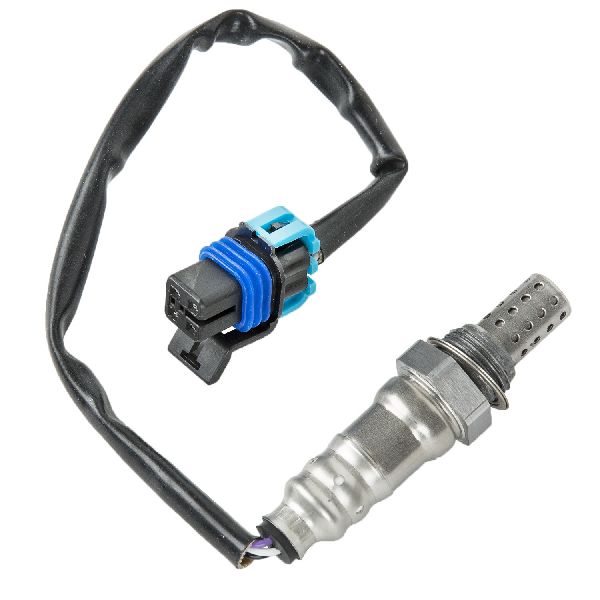
- ACDelco: This is GM's own parts brand. Choosing ACDelco ensures you are getting a part designed specifically for your Traverse's engine.
- Denso & NGK (NTK): Both are major OE suppliers known for high-quality sensors. Many professional mechanics and forum users recommend them as a top alternative to ACDelco.
Tier 2: Quality Aftermarket Brands
These brands provide a good balance of quality and price. They are reliable choices for most repairs.
- Bosch: A massive sensor manufacturer, Bosch makes many quality parts. However, some GM owners in forums report occasional issues and prefer to stick with ACDelco, Denso, or NGK for GM vehicles.
- Delphi: Another former part of GM, Delphi has a long history of making quality electronic components for these vehicles.
Tier 3: Value Brands
These brands are focused on being budget-friendly. They can be a good option if cost is your main concern.
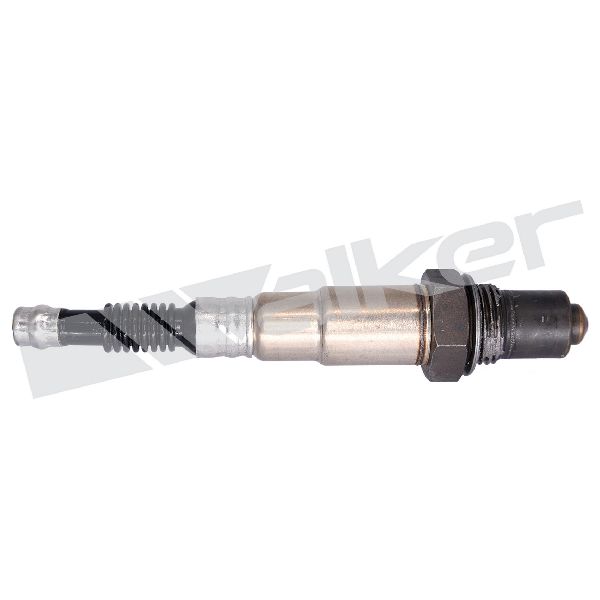
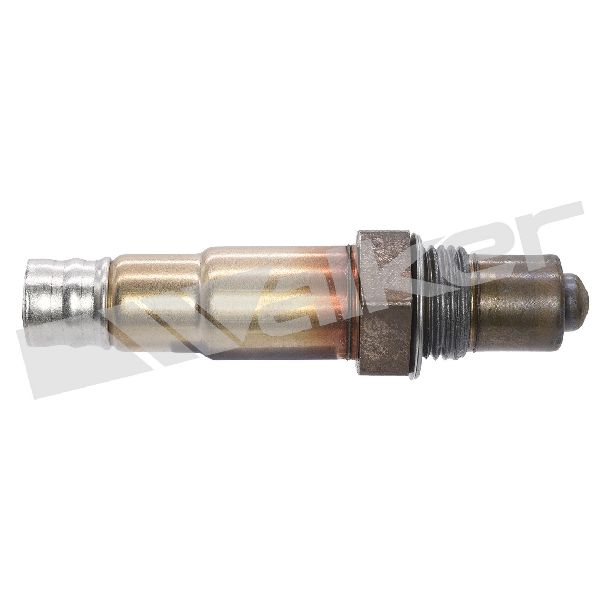
- Walker Products, Spectra, DriveWire: These brands offer a functional replacement to get your vehicle back on the road without the cost of premium brands.
Pro Tip: Upstream vs. Downstream Sensors
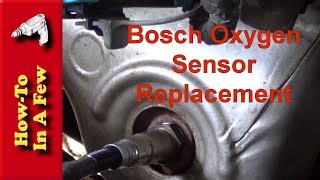
The upstream sensors (also called Sensor 1 or air/fuel ratio sensors) do the most work and fail more often. The downstream sensors 🎬 See this walkthrough for replacing the upstream oxygen sensor. (Sensor 2) mainly monitor the catalytic converter. They are often different part numbers, so make sure you order the correct sensor for the specific location you are replacing.
| Item | Price Range |
|---|---|
| New Aftermarket Oxygen Sensor | $34.48 - $198.78 |
| New OEM Oxygen Sensor | $120 - $290 |
| Shop Labor for Replacement | $75 - $250 per sensor |
Frequently Asked Questions
How many oxygen sensors does my Traverse have?
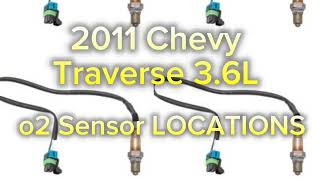
The 2009-2023 Chevrolet Traverse with the 3.6L V6 engine has four oxygen sensors: 🎬 Watch: See exactly where all four sensors are located. two upstream (Bank 1 Sensor 1 and Bank 2 Sensor 1) and two downstream (Bank 1 Sensor 2 and Bank 2 Sensor 2).
Why is one sensor harder to replace than the others?
Bank 2 sensors (front of the vehicle) are generally easy to access. Bank 1 sensors are on the rear of the engine, near the firewall. Access is very tight, especially for the upstream Bank 1 sensor, and may require removing other components to reach it.
Could something else cause my O2 sensor code?
Yes. On 2016-2017 models, check for the power steering fluid leak mentioned in TSB 18-NA-009. On any model, issues like engine vacuum leaks, exhaust leaks, or problems with the PCV system can cause the engine to run poorly and trigger an O2 sensor code. It's important to diagnose the problem correctly before replacing parts.
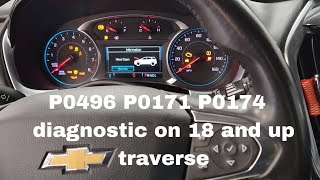
🎬 Watch: How to diagnose common engine codes on a Traverse.Should I replace all four oxygen sensors at once?
It's not always necessary. O2 sensors wear out over time, so if your Traverse has high mileage (over 100,000 miles), it can be a good idea to replace them in pairs (both upstream or both downstream) to maintain balanced engine performance. However, if you are on a budget, you can just replace the one that has failed.
Helpful Videos
Technical Specifications
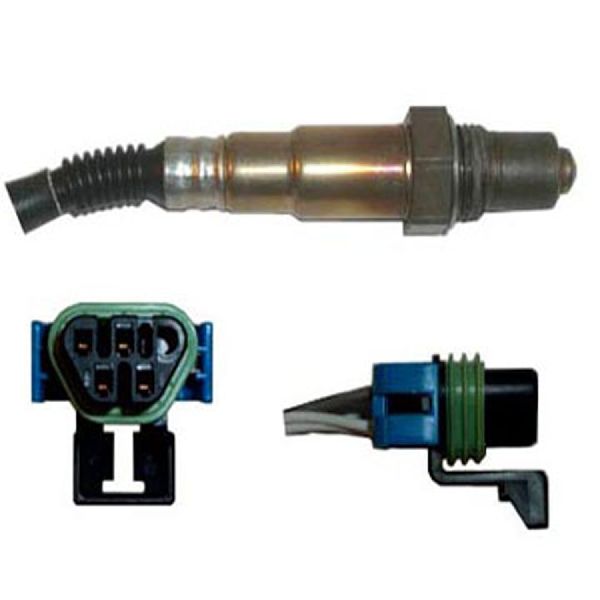
OEM Part Numbers: 12667438 12607333 234-4565 234-4566
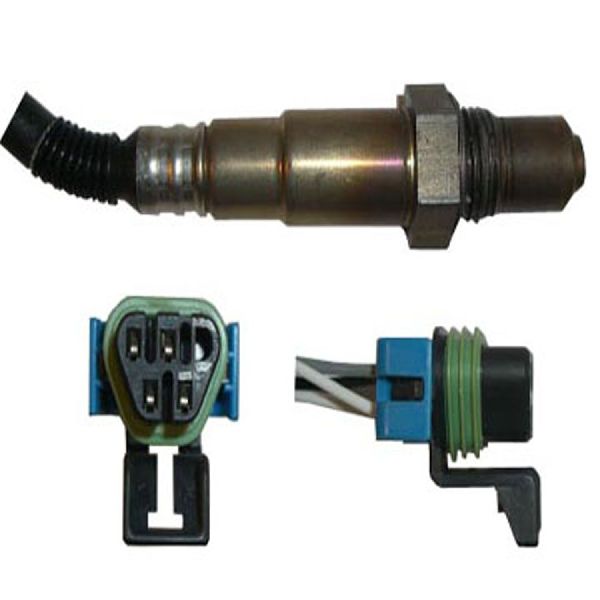
The 3.6L V6 engine uses four heated, 4-wire oxygen sensors. There are two upstream (air-fuel ratio) sensors and two downstream (monitoring) sensors. Part numbers are specific to the location (Bank 1/2, Sensor 1/2), so always verify the fitment for your vehicle's VIN.
We Have This Part in Stock


The information in this article is provided for general reference and educational purposes only. Vehicle specifications, procedures, and part compatibility can vary by production date, trim level, and region. Always consult your vehicle's factory service manual and verify part numbers before purchasing or performing repairs. Safety-critical components such as airbags, seat belts, and braking systems should be installed by a qualified professional.
- Chevrolet Traverse: