

Dodge Journey Oxygen Sensor Guide for 2009-2020 Models
Fix your check engine light and poor gas mileage by choosing the right replacement oxygen sensor for your Journey.
- Your Dodge Journey has two O2 sensors if it has the 2.4L engine, and four if it has the 3.6L V6 engine.
- Always identify the correct sensor before ordering: upstream (Sensor 1) or downstream (Sensor 2), and the correct bank for V6 models.
- Ignoring a bad O2 sensor will hurt your gas mileage and can lead to a failed catalytic converter, a very expensive repair.
- Stick with trusted aftermarket brands like Denso, NGK, or Bosch for OEM-level reliability and to avoid persistent check engine lights.
Is Your Dodge Journey's Oxygen Sensor Failing?

A bad oxygen sensor is a common issue that will trigger the check engine light in your Dodge Journey. Ignoring it can lead to poor fuel economy, a rough-running engine, and eventually, expensive damage to your catalytic converter. Knowing the symptoms can help you diagnose the problem quickly.
Key Symptoms of a Bad O2 Sensor:
- Check Engine Light: The most common sign. Codes like P0137, P0032, or P0420 often point to an O2 sensor issue.
- Poor Fuel Economy: The engine computer receives bad data and may inject more fuel than needed, wasting gas.
- Rough Idle and Misfires: An incorrect air-fuel mixture can cause your Journey's engine to run rough or hesitate.
- Failed Emissions Test: A bad O2 sensor is a frequent cause of emissions test failure.
Upstream vs. Downstream Sensors

Your Dodge Journey has at least two types of oxygen sensors, and it's crucial to order the correct one for the job.
- Upstream Sensor (Sensor 1): Located before the catalytic converter, this sensor is responsible for air-fuel ratio monitoring. It's the more critical sensor for engine performance. A failure here directly impacts how your engine runs.
- Downstream Sensor (Sensor 2): Located after the catalytic converter, this sensor's main job is to monitor the converter's efficiency. It tells the computer if the converter is cleaning the exhaust properly.
Engine Size Matters: How Many Sensors Do You Have?
The number of sensors depends on your engine. Always verify your engine size before ordering.
- 2.4L 4-Cylinder Engine: Typically has two oxygen sensors—one upstream and one downstream.
- 3.5L or 3.6L V6 Engine: Has four oxygen sensors—two upstream (one for each cylinder bank) and two downstream. Bank 1 is the cylinder bank toward the back (firewall), and Bank 2 is toward the front (radiator).
Choosing the Right Aftermarket Oxygen Sensor

While Mopar is the original equipment manufacturer (OEM), many aftermarket brands offer excellent quality, often at a better price. Some Journey owners report issues with cheap, unbranded sensors, so it's best to stick with reputable names.
- Tier 1 (OEM Quality or Better): Denso and NGK (NTK) are often the original equipment suppliers for many automakers and are highly recommended by mechanics and owners. They provide reliable performance and longevity. Bosch is another top-tier choice, having invented the original O2 sensor.
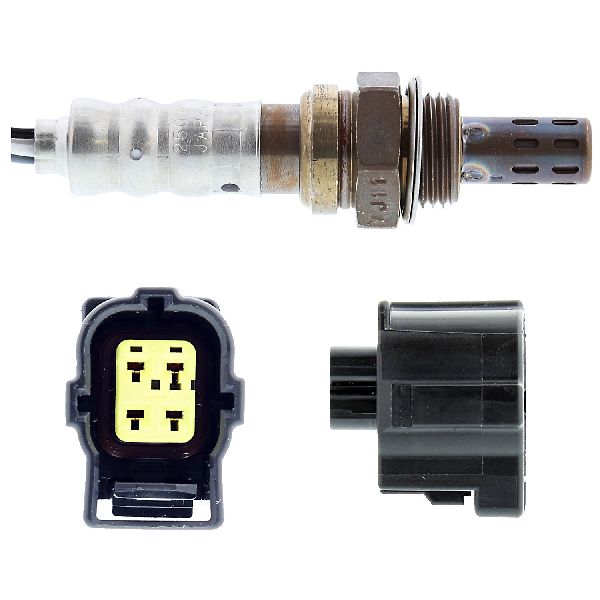
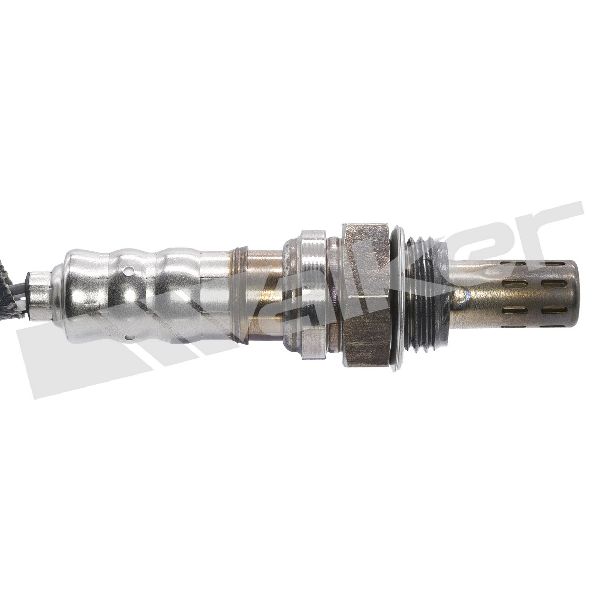
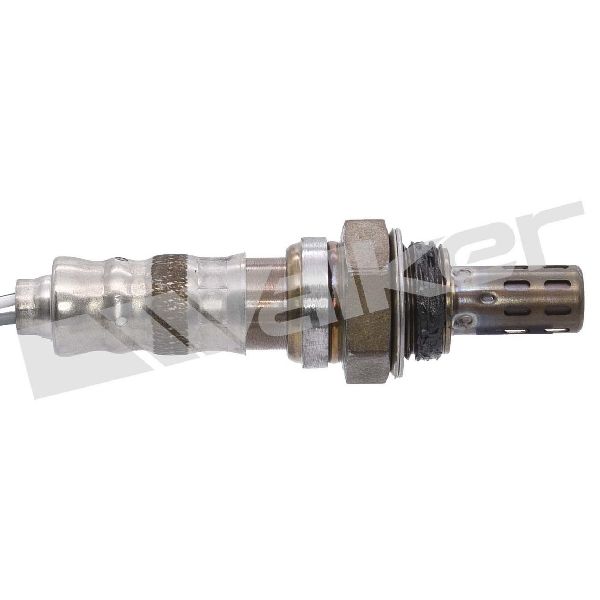
- Tier 2 (Reliable Aftermarket): Delphi and Walker Products are solid mid-range options that provide good value and performance. They are a dependable choice for a daily driver.
- Tier 3 (Budget-Friendly): Brands like DriveWire offer a low-cost alternative. While functional, their lifespan and performance may not match the higher-tier brands. An owner on a forum noted that a cheap sensor caused persistent, incorrect engine codes.
Installation Pro-Tip
Oxygen sensors can be seized in the exhaust pipe. Spraying penetrating oil on the threads and letting it soak can make removal easier. Always use a special O2 sensor socket, which has a slot for the wire. Most new sensors come with anti-seize compound on the threads, but if not, apply a small amount to the threads only, avoiding the sensor tip.
Frequently Asked Questions

Can I clean my oxygen sensor?
While some suggest cleaning O2 sensors, it is not a reliable or recommended fix. Cleaning can damage the sensitive internal components, and the sensor will likely fail again soon. Replacement is the only guaranteed solution.
What happens if I don't replace a bad O2 sensor?
Driving with a bad O2 sensor will cause poor fuel economy and performance. Over time, the rich or lean fuel mixture can overheat and destroy your catalytic converter, a much more expensive repair.
Why did my check engine light come back on after replacing the sensor?
This can happen for a few reasons. The code may need to be manually cleared with a scanner. You might have replaced the wrong sensor (e.g., downstream instead of upstream). Or, the code may be triggered by another issue, like an exhaust leak or a problem with the sensor's wiring. Some owners have found that using non-OEM sensors can sometimes cause persistent codes.
Are there any recalls for the Dodge Journey oxygen sensor?
There are no specific recalls for the oxygen sensors on the 2009-2020 Dodge Journey. However, a recall for the 2016 model year involved a crankshaft or camshaft sensor that could cause the engine to stall, which can sometimes be confused with O2 sensor symptoms.
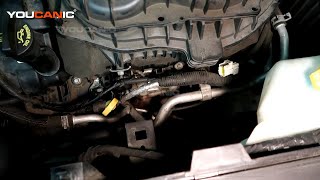
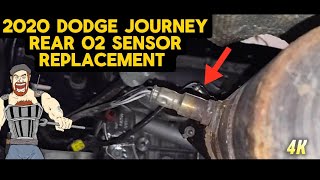
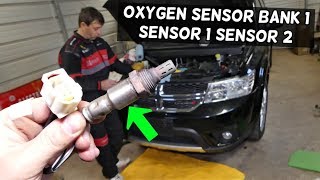
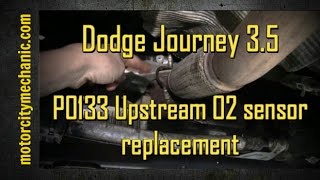
Helpful Videos
Technical Specifications
OEM Part Numbers: 5149171AA 5149171AB 68066160AA
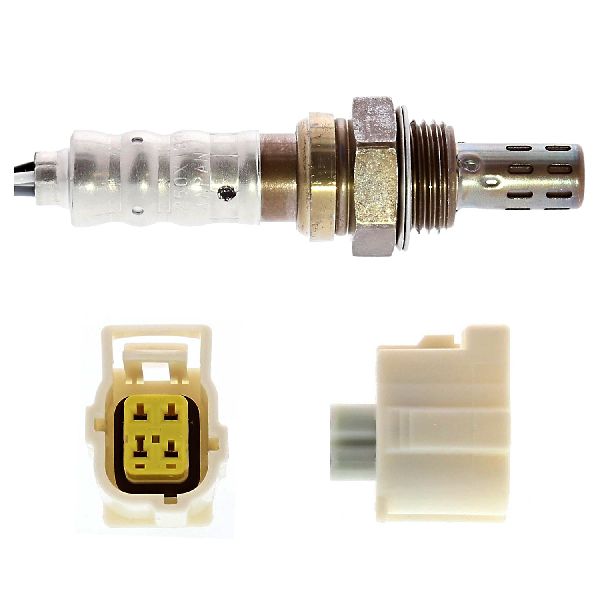
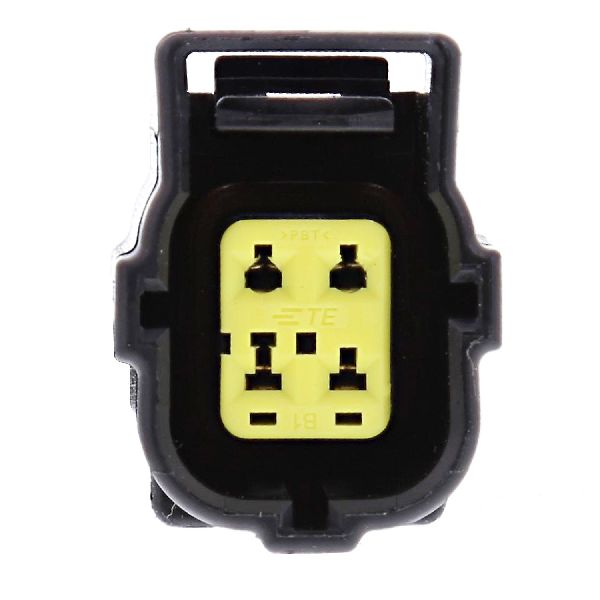
The number and location of oxygen sensors vary based on the engine. The 2.4L I4 engine uses two sensors (one upstream, one downstream). The 3.6L V6 engine uses four sensors (two upstream and two downstream, one pair for each cylinder bank). A 22mm or 7/8" oxygen sensor socket is required for removal and installation.
We Have This Part in Stock


The information in this article is provided for general reference and educational purposes only. Vehicle specifications, procedures, and part compatibility can vary by production date, trim level, and region. Always consult your vehicle's factory service manual and verify part numbers before purchasing or performing repairs. Safety-critical components such as airbags, seat belts, and braking systems should be installed by a qualified professional.
- Dodge Journey: