

A Guide to Replacing Engine Mounts on the 2009-2020 Dodge Journey
Stop the shaking and vibrations in your Journey by choosing the right replacement engine mount.
- Vibrations at idle are the number one sign of a bad engine mount on a Dodge Journey, especially the passenger-side mount.
- Replacing a single mount is possible, but if your vehicle has high mileage, consider replacing them in sets for best results.
- Aftermarket brands offer significant savings, but for the main hydraulic mounts, avoid the cheapest options to prevent new vibration issues.
- Always support the engine from below with a jack and a block of wood before unbolting any engine mount to prevent it from dropping.
Is Your Dodge Journey Shaking or Making Clunking Noises?

If you're feeling a lot of vibration in the steering wheel at a stop light, or hearing clunks and thumps when you accelerate, you might have a bad engine mount. These parts are designed to wear out over time. The rubber can crack, get soaked with leaking fluids, or simply collapse, causing the engine to move more than it should. This guide will help you understand the symptoms, choose the right aftermarket replacement, and know what to expect for the repair.
Known Issues: Check the Passenger Side Mount First
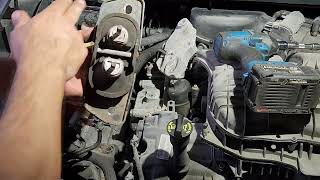
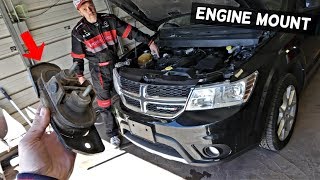
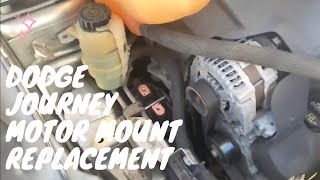
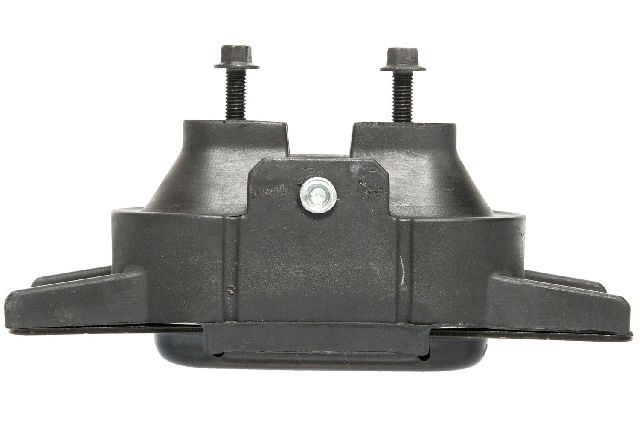
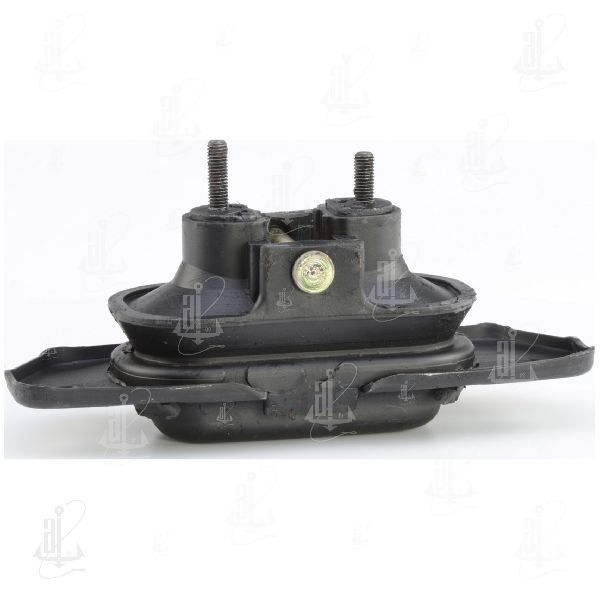
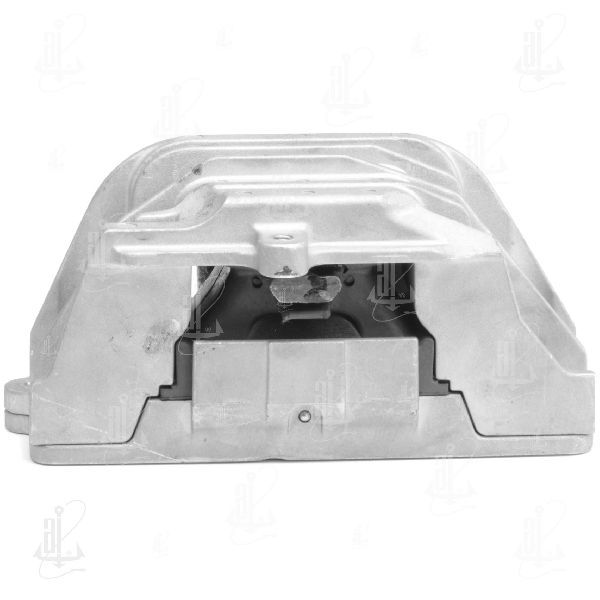
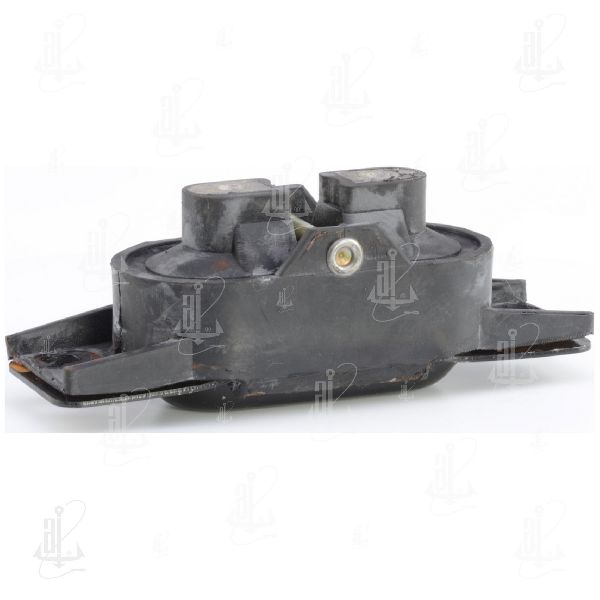
🎬 Watch this step-by-step guide to replacing the passenger side mount.The passenger-side engine mount on the Dodge Journey is a very common failure point. It is a hydraulic-filled mount that sits near hot engine components, which can cause it to wear out and leak. When it fails, you'll often notice a significant increase in vibration 🎬 Video walkthrough for replacing a worn 3.5L engine mount. at idle and while driving. Many owners replace this mount first to solve vibration problems.
OEM vs. Aftermarket Engine Mounts for Your Journey

When replacing a motor mount, you can choose between Original Equipment (OEM) from Mopar or an aftermarket brand. OEM mounts are what your vehicle came with from the factory and offer guaranteed fit and performance, but they are often the most expensive option.
Aftermarket mounts from brands like Anchor, DEA, and Westar offer a more affordable solution. However, quality can vary. For a daily driver, a quality aftermarket part can be a good value. Cheaper, economy-level mounts may use harder rubber, which can transmit more vibration into the cabin, and they may not last as long as OEM or premium aftermarket parts. For the main hydraulic mounts, spending a bit more on a reputable aftermarket brand or OEM part is often worth it to ensure good vibration damping.
Aftermarket Brand Tiers
- Premium Aftermarket (Better): Brands like Crown Automotive often aim for OEM-level quality and fit. They can be a good balance of price and performance. Pioneer is also sometimes mentioned as having a good reputation, looking similar to factory mounts.
- Standard Aftermarket (Good): Brands like Anchor, Westar, and DEA are widely available and affordable. They are a practical choice for budget-conscious repairs. However, some users in forums report mixed experiences, with some finding them to be a great value while others report a shorter lifespan or less effective vibration control compared to OEM.
- Economy (Basic): The lowest-priced options may solve the immediate problem of a broken mount but often result in more noticeable vibration and may need to be replaced again sooner.
How Much Does an Engine Mount Replacement Cost?

The cost depends on which mount needs replacing and whether you do it yourself or use a repair shop. The parts themselves are relatively inexpensive, but labor can add up, especially for mounts that are hard to access.
| Cost Category | Estimated Price Range |
|---|---|
| New Aftermarket Part | $37 - $187 |
| New OEM (Mopar) Part | $150 - $400+ (per mount) |
| Shop Labor | $100 - $450 (per mount) |
Pro Tip: Replacing Mounts in Sets
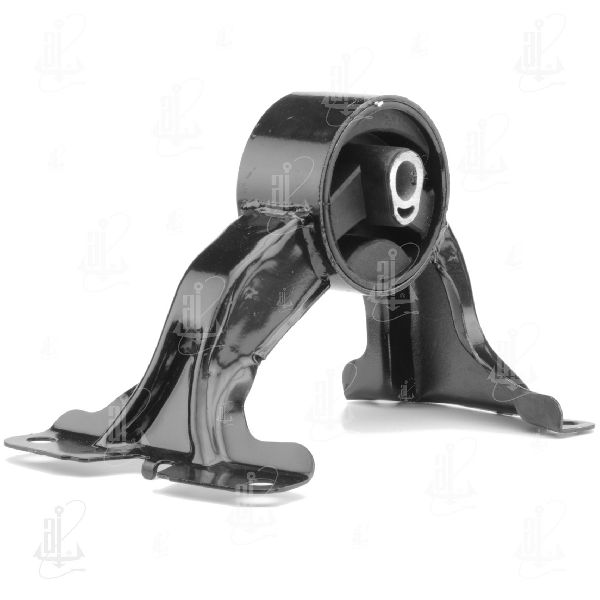
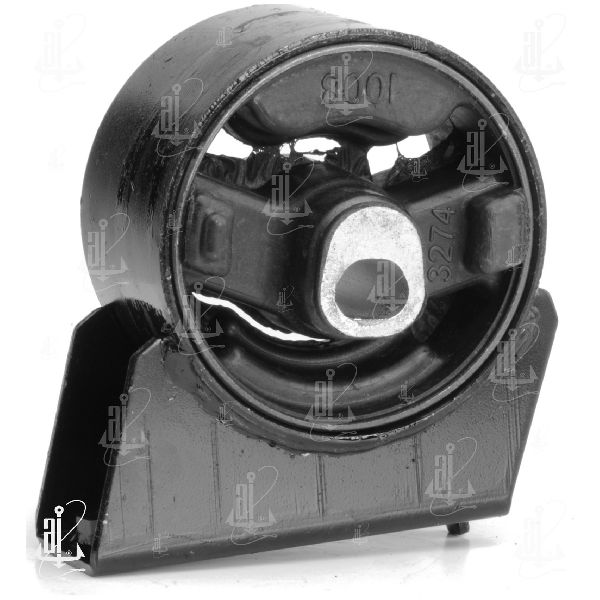
Your Dodge Journey has four main mounts: a passenger side mount, a transmission mount, and front and rear lower torque struts (or "dog bone" mounts). When one mount fails, it puts extra stress on the others. If your vehicle has high mileage, it's often a good idea to replace the mounts in sets to ensure everything is properly aligned and supported.
Frequently Asked Questions (FAQ)

How many engine mounts does a 2009-2020 Dodge Journey have?
The Dodge Journey typically has four mounts: a right-side engine mount, a left-side transmission mount, a front lower torque strut mount, and a rear lower torque strut mount.
Can I replace just one bad engine mount?
Yes, you can replace only the failed mount. This is a common repair, especially for the passenger-side mount. However, if other mounts are old and worn, the new mount may wear out faster due to the extra stress.
Is it hard to replace a Dodge Journey engine mount?
The difficulty varies. The passenger-side mount is considered the easiest, requiring basic hand tools and a jack to support the engine. The rear mount can be more difficult due to tight access. 🎬 See how to access and replace the difficult rear motor mount. It is a feasible DIY job for someone with mechanical experience, but a shop can typically do it in a few hours.
Are there any recalls for Dodge Journey engine mounts?
There are no specific NHTSA recalls for the engine mounts themselves on the 2009-2020 Dodge Journey. There was a recall (NHTSA 15V-431) for the 2.4L engine's plastic beauty cover, which could detach and contact hot exhaust parts, but this did not involve the mounts directly.
Helpful Videos
Technical Specifications
OEM Part Numbers: 68051873AB 5147774AC 4743957AC 5090697AA 5147129AD
The Dodge Journey uses a combination of hydraulic-filled and solid rubber engine mounts. There are typically four mounts in total: one on the passenger side (engine), one on the driver side (transmission), and two lower torque struts (front and rear). The specific mount design varies between the 2.4L 4-cylinder and 3.6L V6 engines, as well as between FWD and AWD models.
We Have This Part in Stock

The information in this article is provided for general reference and educational purposes only. Vehicle specifications, procedures, and part compatibility can vary by production date, trim level, and region. Always consult your vehicle's factory service manual and verify part numbers before purchasing or performing repairs. Safety-critical components such as airbags, seat belts, and braking systems should be installed by a qualified professional.
- Dodge Journey: