

Ford Flex VVT Solenoid Guide: Replacing Your 2009-2019 Engine's Timing Solenoids
Experiencing rough idle or a check engine light? Your Ford Flex's VVT solenoids could be the culprit.
- Your Flex has four VVT solenoids; replacing the rear two requires removing the intake manifold.
- Stick with OEM (Motorcraft) or reputable aftermarket brands like Standard Motor Products (SMP) or Gates for reliability.
- A P0016 code can mean a bad solenoid, but it can also point to a more serious timing chain issue that needs professional diagnosis.
- Regular oil changes with the correct oil are the best prevention against premature solenoid failure.
Is Your Ford Flex VVT Solenoid Failing?

A failing VVT solenoid, also known as an oil control valve, can cause noticeable problems with your engine's performance. Because these parts are controlled by the engine computer and rely on clean oil, they can fail from electrical issues or, 🎬 Watch: A quick way to test your VVT solenoid more commonly, from blockages caused by dirty engine oil or sludge. Keeping up with regular oil changes is the best way to extend their life.
Key Symptoms of a Bad VVT Solenoid
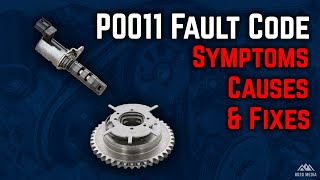
- Check Engine Light: This is the most common sign. You may see codes like P0010, P0011, P0020, or P0021. 🎬 Watch this before replacing parts for a P0011 code
- Rough Idle: The engine may shake or run unevenly when stopped.
- Poor Engine Performance: You might notice sluggish acceleration or a general lack of power.
- Decreased Fuel Economy: If the engine timing is off, it will burn more fuel than necessary.
- Engine Stalling: In more severe cases, the engine may stall at low speeds or when coming to a stop.
A Note on Code P0016
If you have a P0016 or P0018 (Crankshaft Position - Camshaft Position Correlation) code, it could be a bad VVT solenoid, but it can also indicate a more serious problem. These codes are sometimes linked to a stretched timing chain on the 3.5L engine, which is a much more expensive repair. It's wise to have this properly diagnosed by a professional before assuming it's just the solenoid.
Choosing the Right Aftermarket VVT Solenoid

When it comes to electronic engine parts, quality matters. While saving money is tempting, a cheap, low-quality solenoid can fail quickly, forcing you to do the labor all over again. Here’s a breakdown of your options.
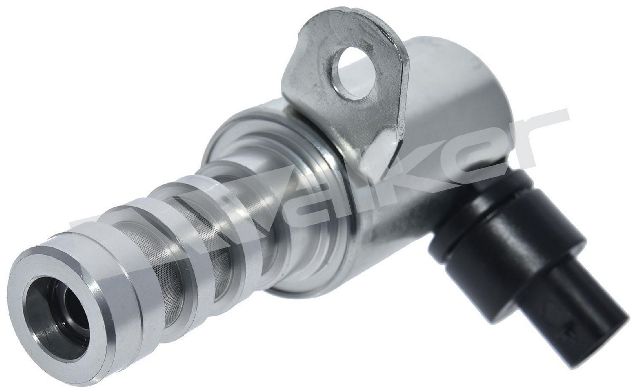
- Tier 1: OEM and Premium Aftermarket (Standard, Gates): Ford's own Motorcraft part is the benchmark for reliability. Brands like Standard Motor Products (SMP) and Gates have a strong reputation for producing quality aftermarket parts that meet or exceed OEM specifications. Many professional mechanics trust these brands for critical components.
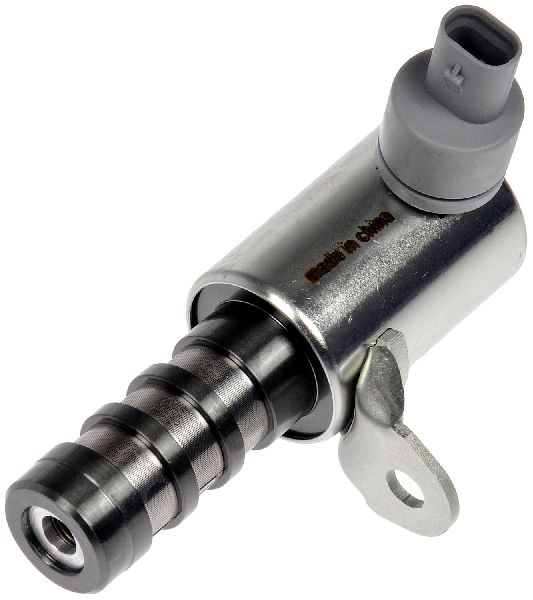
- Tier 2: Economy Brands (Dorman, URO Parts, etc.): Brands like Dorman are widely available and often cheaper, but their quality for electronic parts can be inconsistent. Forum discussions among Ford owners frequently advise against using economy-tier solenoids for this job, citing higher failure rates. These may be an option if budget is the absolute top priority, but it comes with a risk.
Pro Tip: Replacing the Solenoids

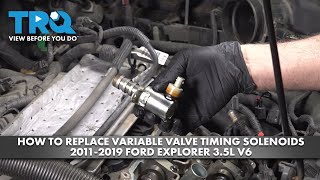
The VVT solenoids are located under the valve covers. The two solenoids on the front bank (near the radiator) are relatively easy to access. However, replacing the two on the rear bank (near the firewall) requires removing the entire upper intake manifold. 🎬 See this walkthrough for replacing solenoids on the 3.5L engine For this reason, many owners choose to replace all four solenoids at once, along with the valve cover gaskets, to avoid having to do the difficult rear bank labor separately in the future.
Cost to Replace Ford Flex VVT Solenoids
| Part Type | Estimated Cost |
|---|---|
| New Aftermarket Solenoid (Each) | $32 - $129 |
| New OEM Solenoid (Each) | $90 - $160 |
| Shop Labor (All Four) | $450 - $750 |
Note: Labor costs are an estimate and can vary significantly based on shop rates and location. The high labor cost is due to the need to remove the intake manifold for the rear solenoids.
Frequently Asked Questions

How many VVT solenoids does my Ford Flex have?
Your 2009-2019 Ford Flex with the 3.5L V6 engine (both naturally aspirated and EcoBoost) has four VVT solenoids. There is one intake and one exhaust solenoid for each of the two cylinder heads.
Can I replace just one bad solenoid?
Yes, you can replace only the one that has failed. However, they tend to have a similar lifespan, and the labor to access the rear solenoids is significant. If you are replacing a rear solenoid, it is highly recommended to replace both on that bank. If you are replacing a front one, consider doing all four if they are original and your vehicle has high mileage.
What happens if I don't replace a bad VVT solenoid?
You will continue to experience poor engine performance, rough idling, and bad fuel economy. Driving for an extended period with a faulty solenoid can put extra stress on other engine components and may lead to more significant engine problems over time.
Can I clean the VVT solenoids instead of replacing them?
Sometimes, cleaning the solenoid can resolve the issue if it's simply clogged with oil sludge. This involves removing the solenoid and using a specific cleaner to flush out debris. However, if the solenoid has failed electrically, cleaning will not help and it must be replaced.
Helpful Videos

Technical Specifications
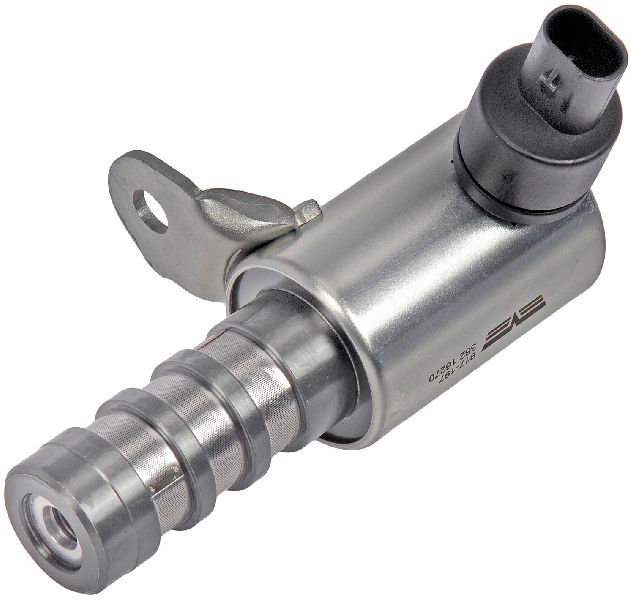
OEM Part Numbers: 7T4Z6M280A 7T4Z6M280B 7T4Z6M280C 7T4Z6M280AA
The 3.5L V6 engine uses four electromagnetic solenoids located under the valve covers to control oil flow for the Ti-VCT system. Two are for the intake cams and two are for the exhaust cams.
We Have This Part in Stock


The information in this article is provided for general reference and educational purposes only. Vehicle specifications, procedures, and part compatibility can vary by production date, trim level, and region. Always consult your vehicle's factory service manual and verify part numbers before purchasing or performing repairs. Safety-critical components such as airbags, seat belts, and braking systems should be installed by a qualified professional.
- Ford Flex: