

Dodge Journey Transmission Input Speed Sensor: A 2009-2019 Guide
Fixing harsh shifting or a stuck gear in your Dodge Journey might be easier than you think.
- A bad input speed sensor is a common cause of harsh shifting and limp mode in the 2009-2019 Dodge Journey.
- The most common trouble code is P0717; always scan for codes before buying parts.
- This is an easy DIY replacement, located on top of the transmission and accessible by removing the airbox.
- For electronics, choosing a premium aftermarket brand like Standard Ignition (SMP) or NGK/NTK is a safer bet than the cheapest option.
Is Your Journey Shifting Strangely?

If your 2009-2019 Dodge Journey has started shifting hard, getting stuck in one gear, or the check engine light is on, a failing automatic transmission input shaft speed sensor could be the culprit. This sensor is a critical part that tells your vehicle's computer when to shift. When it fails, the computer gets bad information, leading to noticeable and frustrating transmission problems.
Common Symptoms of a Bad Input Speed Sensor

A bad input speed sensor makes itself known in several ways. You are the best judge of how your Journey normally drives. Look out for:
- Harsh or Delayed Shifting: The transmission may slam into gear or hesitate before shifting.
- Stuck in Limp Mode: The transmission may refuse to shift out of a single gear (often 2nd or 3rd) to prevent further damage.
- Check Engine Light: A sensor failure will almost always trigger a check engine light. The most common code is P0717, for "Input/Turbine Speed Sensor Circuit No Signal." 🎬 Watch this walkthrough on replacing the input shaft speed sensor.
- Erratic Speedometer: While more often linked to the output speed sensor, a faulty input sensor can sometimes contribute to an inaccurate or dead speedometer.
- Cruise Control Not Working: The cruise control system relies on accurate speed data to function.
Check the Wiring First
Before you replace the sensor, take a look at the wiring harness on top of the transmission. Rodents have been known to chew on these wires, and corrosion can also cause a bad connection. A simple wiring repair could save you the cost of a new part.
Choosing the Right Aftermarket Sensor

You don't need to go to the dealer for a reliable part. Aftermarket sensors can offer the same performance for less money. However, not all aftermarket brands are created equal, especially with electronics. Here’s a breakdown of the brands available:
For critical electronic sensors like this, it's often worth spending a few extra dollars on a premium aftermarket brand to avoid doing the job twice.
- Premium Aftermarket (NGK, Standard Ignition): Both NGK (which sells sensors under the NTK brand) and Standard Ignition (SMP) have strong reputations for making high-quality electronic parts that meet or exceed OEM standards. They are trusted by professional mechanics and are an excellent choice for a reliable, long-lasting repair.
- Standard Aftermarket (ATP, Pioneer Cable): These brands are well-known in the aftermarket and offer a good balance of value and quality. ATP specializes in transmission components and is a solid option for this repair.
- Economy Brands (True Tech): These brands focus on providing the lowest price point. While tempting, the quality can be inconsistent for electronic parts. They may work fine, but there is a higher risk of premature failure compared to premium brands.
Cost to Replace Dodge Journey Input Speed Sensor
| Item | Estimated Cost |
|---|---|
| New Aftermarket Part | $28 - $41 |
| New OEM Part | $90 - $150 |
| Shop Labor | $60 - $120 |
| Total (DIY) | $28 - $41 |
| Total (Installed at Shop) | $88 - $270 |
Frequently Asked Questions

Where is the input speed sensor on a Dodge Journey?
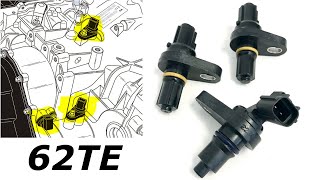
The input speed sensor is located on the top of the transmission housing. On most Journeys with the 6-speed 62TE automatic, you can access it from the engine bay by removing the air filter box and intake tube for clearance. It is held in by a single 8mm or 10mm bolt.
Can I replace this sensor myself?
Yes, this is a very DIY-friendly job for someone with basic tools. The process involves removing the airbox, disconnecting the electrical connector, removing one bolt, and swapping the old sensor for the new one. 🎬 See how to access and replace sensors on the 62TE transmission. The entire job should take less than an hour.
My Journey has a code for the intermediate shaft speed sensor (P0791). Is that the same part?
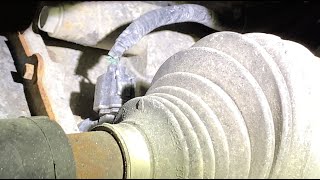
No, it is a different sensor. The 62TE transmission in many Journeys has three speed sensors: input, output, and intermediate (or transfer). While they may look similar, they are in different locations and measure different shafts. The intermediate sensor is often on the back side of the transmission. 🎬 Watch this guide for fixing the intermediate shaft speed sensor. Make sure you diagnose the correct sensor before ordering a part.
Are there any recalls for this issue?
There are no specific recalls for the transmission speed sensors on the 2009-2019 Dodge Journey. However, there was a recall (NHTSA ID: 16V-461) for some 2016 models for a faulty transmission oil pump that could cause a loss of power. While unrelated to the sensor itself, it highlights the importance of addressing any transmission-related issue promptly.
Helpful Videos


Technical Specifications
OEM Part Numbers: 68055955AA
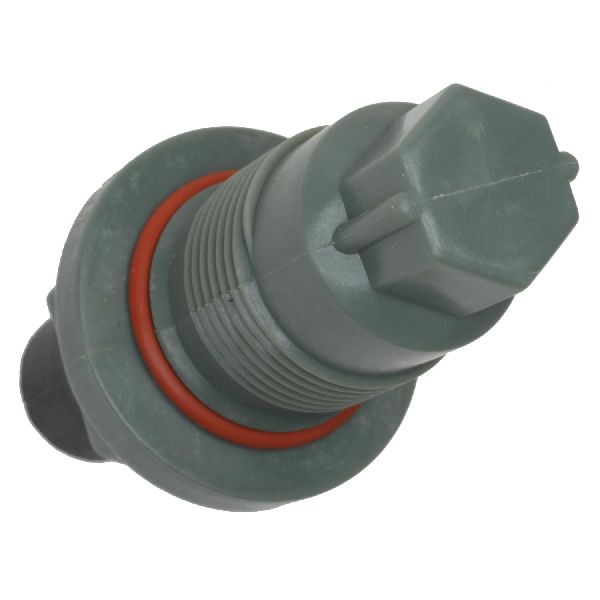
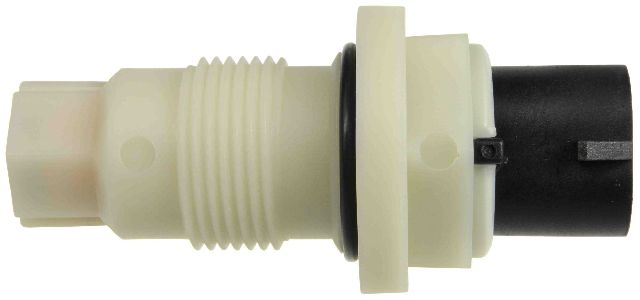
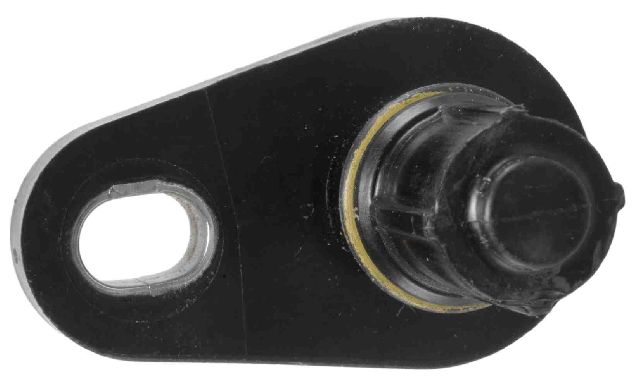
This is a magnetic sensor held in by a single bolt, typically with a 2-pin or 3-pin electrical connector. The input and output sensors on the 62TE transmission are often identical and interchangeable.
We Have This Part in Stock


The information in this article is provided for general reference and educational purposes only. Vehicle specifications, procedures, and part compatibility can vary by production date, trim level, and region. Always consult your vehicle's factory service manual and verify part numbers before purchasing or performing repairs. Safety-critical components such as airbags, seat belts, and braking systems should be installed by a qualified professional.
- Dodge Journey: