

Cadillac CTS (2009-2019) Engine Oil Pressure Switch: A Complete Guide
Understanding the common oil pressure sensor issues in your CTS and how to choose the right replacement part.
- An erratic oil pressure gauge on a 2009-2019 CTS is almost always a bad sensor, not a bad engine.
- This is a common, well-documented failure on these cars; you are not alone.
- The replacement can be done at home with basic tools and a special socket, but access is tight.
- When replacing, consider a premium aftermarket brand like Standard Ignition or Walker for better reliability.
Is a Faulty Oil Pressure Switch a Common Problem on the Cadillac CTS?

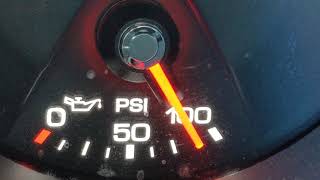
Yes, for the 2009-2019 Cadillac CTS, especially those with the 3.6L and 3.0L V6 engines, a failing oil pressure switch is a well-known issue. Many owners report seeing the oil pressure gauge behave erratically, often jumping from 0 to 100 PSI and back 🎬 Watch: See how an erratic gauge behaves before the repair., or getting stuck at either extreme. This is almost always a sign of a bad sensor, not an actual problem with your engine's oil pressure. While it's a common annoyance, it's a fixable one.
Symptoms of a Failing Engine Oil Pressure Switch

If your oil pressure switch is going bad, your CTS will give you some clear signs. Ignoring them isn't a good idea, as you won't be able to tell if a real oil pressure problem happens.
- Erratic Gauge Readings: The most common symptom is the oil pressure gauge on your dashboard giving wild readings, jumping from zero to max and back again for no reason.
- Oil Pressure Warning Light: The oil pressure light on your dash may flicker or stay on, even when you know the oil level is correct.
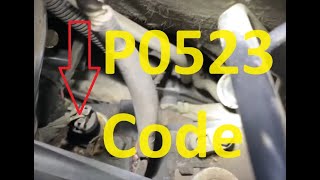
- Check Engine Light: A faulty sensor can trigger the Check Engine Light. You'll likely see diagnostic trouble codes like P0520, P0521, P0522, or P0523 🎬 Watch: Understanding the causes and fixes for code P0523. when you scan the vehicle.
- Leaking Oil: Sometimes, the sensor itself can fail and leak oil. You might see oil residue on the sensor or drips under the engine.
Don't Ignore the Warnings
While a faulty sensor is the most likely cause of these symptoms, you should not continue driving indefinitely without confirming the issue. A false alarm from a bad sensor looks very similar to a real, catastrophic loss of oil pressure. It's best to verify the problem and replace the sensor to ensure your warning system is reliable.
Choosing a New Aftermarket Oil Pressure Switch

When replacing the oil pressure switch, you have options. You don't have to buy the part from the dealer. Aftermarket brands offer a range of quality and price points.
Premium Aftermarket (Recommended):
- Standard Motor Products (Standard Ignition): Often considered a top-tier aftermarket brand, Standard parts are known for their quality and reliability, sometimes even including improvements over the original design. They are a trusted choice for sensors and electronics.
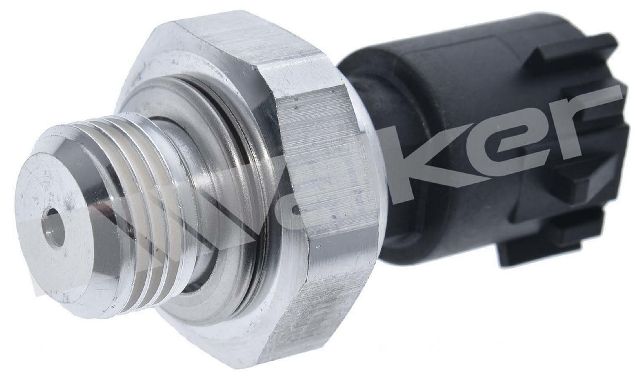
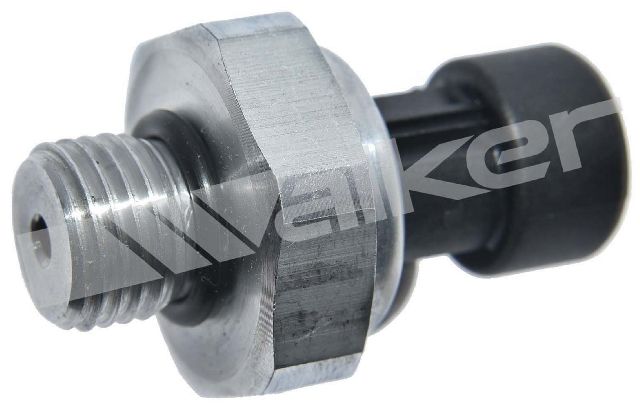
- Walker Products: Another established brand that engineers its parts to meet or exceed original equipment (OE) specifications. They focus on durability and accurate readings.
Standard Aftermarket:
- Vemo: A German brand that offers a wide range of electronic parts, often positioned as an OE-quality alternative at a lower price. User feedback suggests they are a decent value for non-critical parts.
- Global Parts / True Tech: These brands typically fall into the budget-friendly category. They can be a good choice if cost is the primary concern, but may not have the same long-term durability or rigorous testing as premium brands.
Pro Tip: Check the Connector
Forum users have noted that there can be different plug designs for the same model years. Before you buy, it's a good idea to visually inspect your current sensor's connector if possible, or be prepared to verify the part with your vehicle's VIN to ensure you get an exact match.
Cost of Replacing the Oil Pressure Switch
| Part Type | Estimated Cost |
|---|---|
| New Aftermarket Part | $40 - $82 |
| New OEM Part | $50 - $110 |
| Shop Labor | $100 - $250 |
| Total Professional Replacement | $140 - $332 |
Costs are estimates and can vary based on your location, vehicle engine, and the repair shop's labor rates.
Frequently Asked Questions

Where is the oil pressure switch located on the Cadillac CTS?
On most 3.0L and 3.6L V6 engines, the oil pressure switch is located on the driver's side of the engine block, typically below or near the oil filter housing. It can be in a tight spot, sometimes partially blocked by power steering lines.
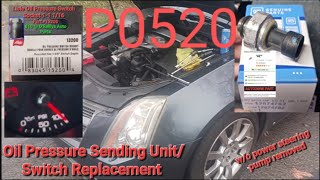
🎬 See this walkthrough: Replacing the sensor without removing power steering.Can I replace the oil pressure switch myself?
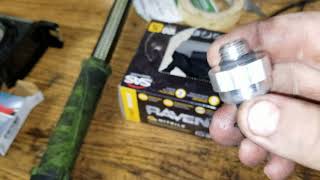
Yes, this is a DIY-feasible job for someone with moderate mechanical skill. It involves removing the engine cover and air intake tube for access. The main challenge is the tight space. A special thin-walled oil pressure switch socket (often 1-1/16 inch) is highly recommended to make the job easier.
Is there a recall on the oil pressure switch for the Cadillac CTS?
No, there are no active NHTSA recalls specifically for the engine oil pressure switch on the 2009-2019 Cadillac CTS. The issue is considered a common failure but not a safety recall.
What is the little screen under the sensor?
Some GM engines have a small, cylindrical filter screen in the engine block, directly underneath the oil pressure sensor. If this screen gets clogged with sludge or debris, it can cause false low-pressure readings even with a new sensor. It's a good practice to check and clean or replace this screen when you replace the sensor.
Helpful Videos
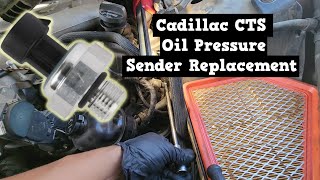
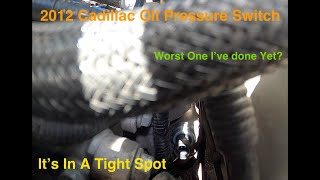
Technical Specifications
OEM Part Numbers: 12673134 12674782 12621234 12596951
Requires a special 1-1/16 inch thin-walled oil pressure switch socket for removal and installation. Torque specification is approximately 15 lb-ft.
We Have This Part in Stock


The information in this article is provided for general reference and educational purposes only. Vehicle specifications, procedures, and part compatibility can vary by production date, trim level, and region. Always consult your vehicle's factory service manual and verify part numbers before purchasing or performing repairs. Safety-critical components such as airbags, seat belts, and braking systems should be installed by a qualified professional.
- Cadillac CTS: