

Honda Accord Engine Crankshaft Position Sensor: A 2009-2018 Guide
Is your Honda Accord stalling or not starting? Your crankshaft position sensor might be the culprit.
- For maximum reliability, choose an aftermarket sensor from an OEM supplier like Denso or Hitachi.
- Check for Technical Service Bulletins (TSBs); your issue might be a known software or wiring problem, not a failed sensor.
- A 'CKP Pattern Learn' procedure with a scan tool is required after replacement for proper engine operation.
- The sensor location and replacement difficulty vary greatly between the 4-cylinder and V6 engines.
Is Your Accord Stalling? Common Failure Symptoms

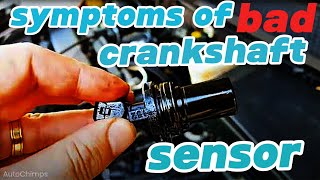
A failing crankshaft position sensor (CKP sensor) can cause problems that range from annoying to dangerous. Because it provides such vital information to the engine computer, a bad sensor can make your car run poorly or not at all. One of the first signs is usually the Check Engine Light coming on. You might also experience the engine stalling unexpectedly while driving, which can be a serious safety risk. Other common issues include having trouble starting the engine, rough idling, engine misfires, and a noticeable drop in fuel economy.
🎬 Watch this video to see common symptoms of sensor failure.Technical Service Bulletins (TSBs) for Honda Accords
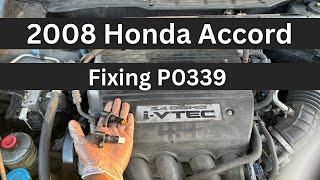
Honda has issued Technical Service Bulletins (TSBs) for certain Accord models related to the crankshaft position sensor. For 2008-2009 4-cylinder Accords, TSB 09-050 addresses an issue where a low battery during cranking can cause the computer to misinterpret the sensor's signal, setting a P0339 code. The fix is a software update for the engine's computer (PCM), not necessarily a new sensor. For 2013-2016 4-cylinder models, TSB 16-011 points to corrosion in the sensor's connector causing P0335 or P0339 codes; the fix involves replacing both the sensor and the engine wire harness.
Choosing the Right Aftermarket Sensor: Brand Quality Matters

When it comes to electronic sensors for a Honda, quality is key. While there are many brands available, sticking to ones known for reliability can save you from doing the job twice.
- Tier 1 (OEM Supplier Quality): Brands like Denso and Hitachi are often the original equipment manufacturers for Honda. Choosing one of these is the closest you can get to buying a genuine Honda part. They are highly recommended by mechanics for their reliability and proper function. NGK (often sold under the NTK brand for sensors) is another excellent choice with a strong OE heritage.
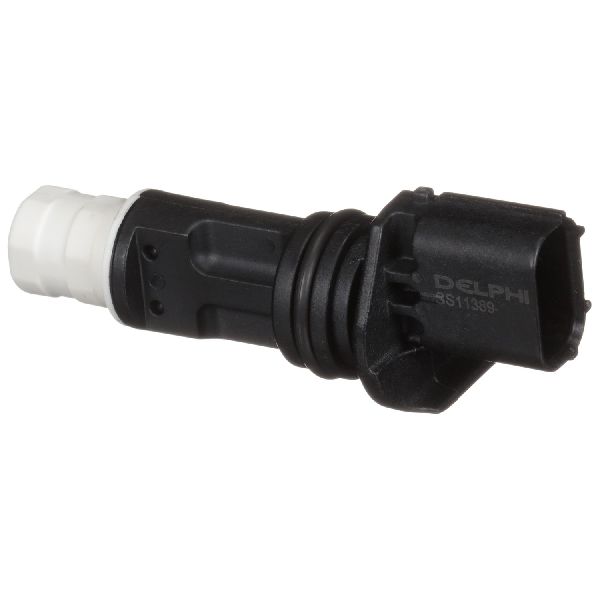
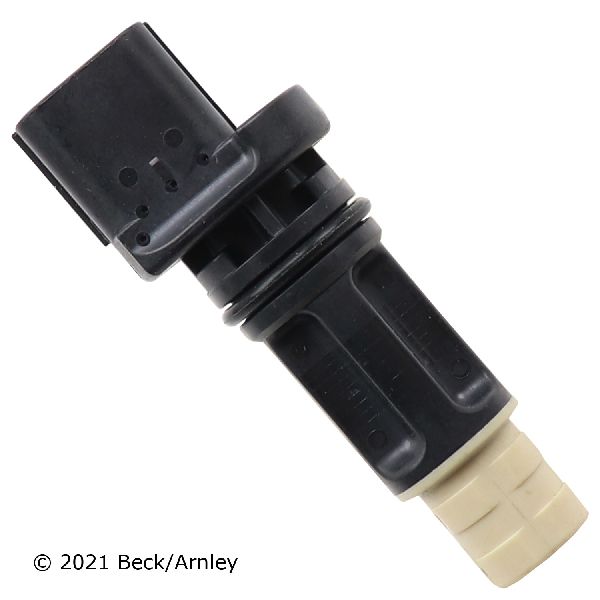
- Tier 2 (Reputable Aftermarket): Brands such as Delphi, Standard Ignition (SMP), and Beck Arnley offer a good balance of price and quality. Beck Arnley, in particular, is known for often repackaging OEM parts from various sources.
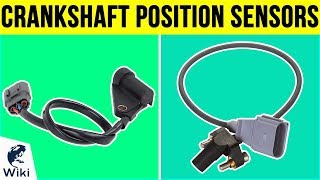
- Tier 3 (Budget Options): Brands like Dorman, Walker Products, and others fall into the value category. While they are more affordable, their performance and longevity can be inconsistent. For a critical sensor like the CKP, it's often worth spending a bit more for a part from a higher tier to avoid potential issues like intermittent signals 🎬 Check out this guide to the best crankshaft position sensors. or premature failure.
How Much Does a Crankshaft Sensor Replacement Cost?

The total cost depends on whether you do it yourself or take it to a shop. The part itself is relatively inexpensive, but labor costs can add up, especially on the V6 models where access is more difficult.
| Cost Category | Estimated Price Range |
|---|---|
| New Aftermarket Part | $28.76 - $106.52 |
| New OEM Part | $59 - $231 |
| Shop Labor Cost | $112 - $164 |
| Total Shop Replacement | $230 - $383 |
Installation Tips
The location of the CKP sensor is different depending on your engine. On the 2.4L 4-cylinder, it's on the lower part of the engine block, near the oil filter and starter area. On the 3.5L V6, it's located behind the timing belt cover, which makes replacement much more involved as the timing belt and crankshaft pulley must be removed. Always disconnect the battery before starting work. The electrical connectors can become brittle with age, so be gentle when unplugging them.
Frequently Asked Questions

Do I need to do a "relearn" procedure after replacing the sensor?
Yes, Honda recommends a "CKP Pattern Learn" procedure after replacing the sensor or updating the software. This helps the engine computer synchronize with the new sensor. While some systems can relearn on their own over time, a manual relearn using a capable scan tool is the proper method to ensure smooth operation and prevent codes from returning.
What's the difference between P0335 and P0339 codes?
Both codes point to a problem with the crankshaft position sensor circuit. P0335 (CKP Sensor No Signal) typically means the computer is getting no signal at all from the sensor. P0339 (CKP Sensor Circuit Intermittent Interruption) means the signal is dropping out or is erratic. This can be caused by a failing sensor, a wiring issue, or the software problems mentioned in Honda's TSBs.
Can I use a cheap sensor from an unknown brand?
It's not recommended. Honda engine management systems are sensitive to sensor inputs. A low-quality sensor might work initially but can fail quickly or provide an unstable signal, leading to the same problems you were trying to fix. Sticking with OEM suppliers like Denso or Hitachi is a safer bet.
Are there any recalls for this part on my 2009-2018 Accord?
As of early 2026, there are no direct safety recalls for the crankshaft position sensor itself on 2009-2018 Honda Accords. However, Honda has issued Technical Service Bulletins (TSBs), which are different from recalls, to address known issues with the sensor's performance and related wiring on specific model years. There was a recall investigation for V6 engines in some 2016-2018 Accords for a crankshaft manufacturing defect, but this was for the physical crankshaft, not the sensor.
Helpful Videos
Technical Specifications
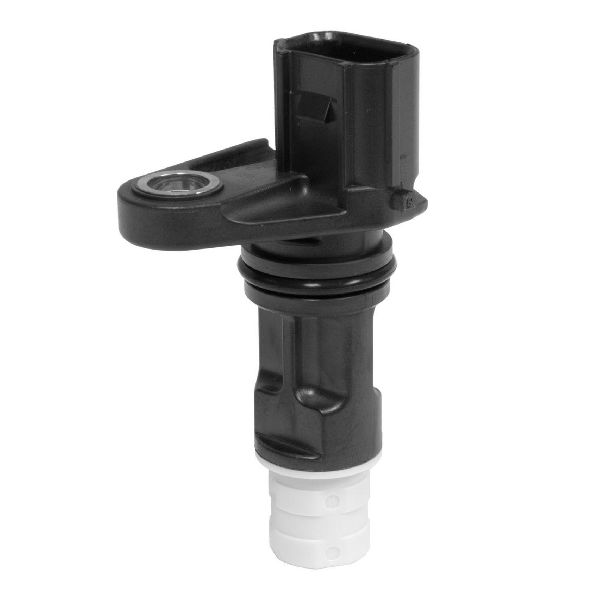
OEM Part Numbers: 37500-R40-A01 37500-R60-U01
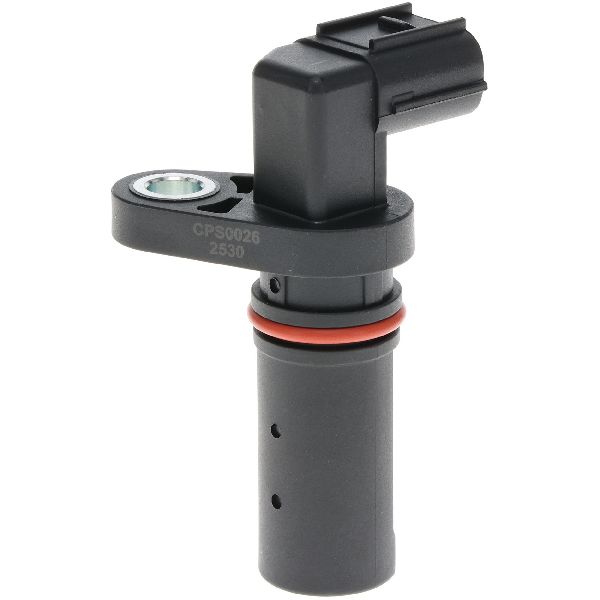
This is a Hall Effect sensor that reads a toothed reluctor wheel on the crankshaft. It uses a 3-pin connector. The specific part number varies based on the engine (2.4L or 3.5L) and model year.
We Have This Part in Stock


The information in this article is provided for general reference and educational purposes only. Vehicle specifications, procedures, and part compatibility can vary by production date, trim level, and region. Always consult your vehicle's factory service manual and verify part numbers before purchasing or performing repairs. Safety-critical components such as airbags, seat belts, and braking systems should be installed by a qualified professional.
- Honda Accord: