

A Ford Focus Owner's Guide to Replacing Oxygen Sensors (2009-2018)
Fix your check engine light and poor gas mileage by understanding and choosing the right oxygen sensor for your Focus.
- A bad oxygen sensor will trigger the check engine light and hurt your gas mileage.
- Rule out a faulty canister purge valve (CPV) first, as it's a known Focus issue with identical symptoms.
- For best results, choose an OEM (Motorcraft) or a premium aftermarket brand like Bosch, Denso, or NGK/NTK.
- Replacing an O2 sensor is a manageable DIY job with a special 22mm socket, but stubborn sensors can be difficult to remove.
Is Your Ford Focus Oxygen Sensor Failing?

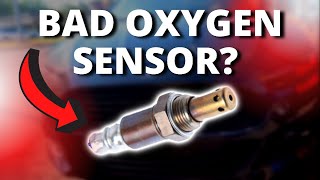
A bad oxygen sensor is a common reason for the check engine light to come on in a 2009-2018 Ford Focus. When a sensor fails, it can't send the right information to the engine's computer. This forces the computer to guess the air-fuel mixture, which usually leads to poor performance and higher emissions. Ignoring a bad O2 sensor can eventually damage your expensive catalytic converter, so it's a repair you shouldn't put off for too long.
Key Symptoms of a Bad O2 Sensor:
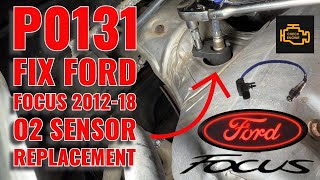
🎬 Watch: A visual guide to common bad oxygen sensor symptoms- Check Engine Light: The most obvious sign. Common trouble codes include P0130, P0131, and P0420. 🎬 See this step-by-step walkthrough for fixing the P0131 code
- Worse Gas Mileage: The engine uses more fuel than it needs to.
- Rough Idle or Misfires: The engine may shake, hesitate, or run unevenly.
- Failed Emissions Test: Your car will produce more pollution than allowed.
- Rotten Egg Smell: A strong sulfur smell from the exhaust can point to a bad sensor or failing catalytic converter.
A Known Ford Focus Issue: The Canister Purge Valve (CPV)
Before you blame the oxygen sensor, be aware of a common problem with 2012-2018 Focus models. A faulty canister purge valve (CPV) can cause an incorrect air-fuel ratio, leading to power loss and triggering the exact same symptoms and codes as a bad O2 sensor, including the P0420 code. 🎬 Watch: How to diagnose and repair a P0420 fault code Ford issued recalls and a customer satisfaction program for this part. If you have O2 sensor symptoms, it's wise to check if your car was part of this recall, as a CPV failure is a very likely cause.
Choosing the Right Aftermarket Oxygen Sensor

You don't have to buy the most expensive sensor, but you should avoid the cheapest options. Oxygen sensors are precise instruments, and low-quality universal parts can cause more problems. For the Ford Focus, sticking with proven brands is the best approach.
Brand Quality Tiers
- OEM & Premium Brands (Highest Quality): Motorcraft is the original Ford part and a guaranteed fit. Bosch, Denso, and NGK/NTK are original equipment suppliers for many carmakers and are trusted by mechanics for their reliability and performance. These are your best bet for a long-lasting, trouble-free repair.
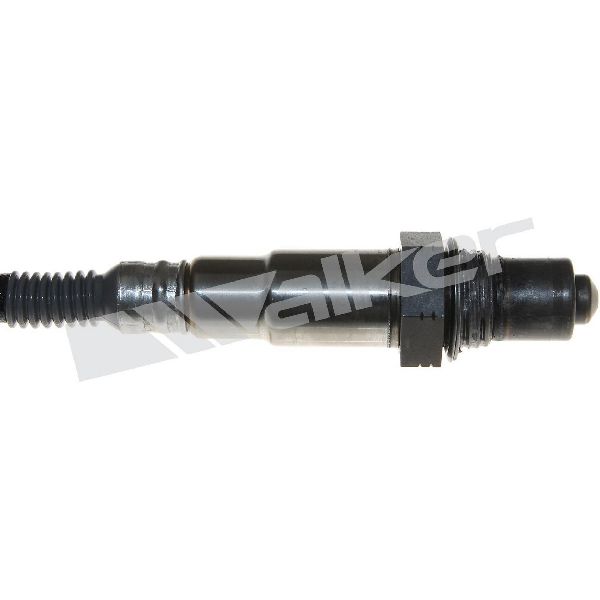
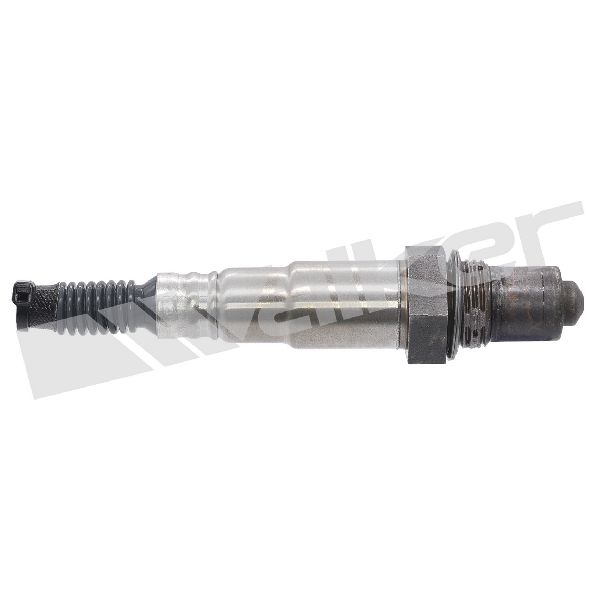
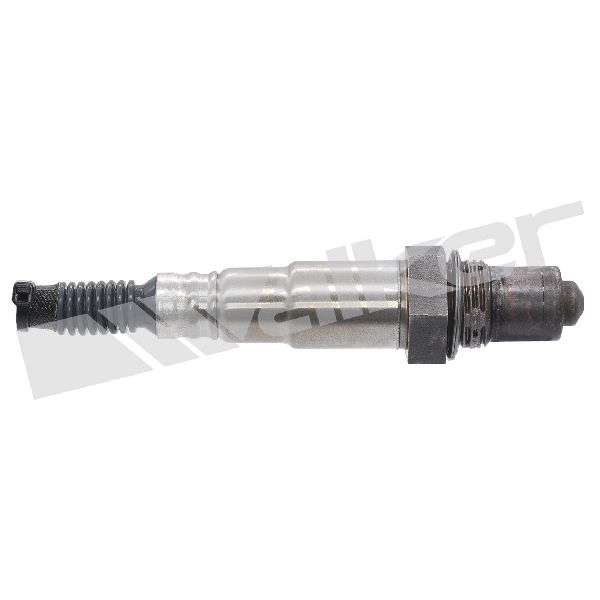
- Quality Aftermarket Brands (Good Value): Brands like Delphi, Walker Products, and Spectra offer a good balance of price and quality. They are designed to be direct-fit replacements and are a solid choice if a premium brand isn't in the budget.
- Economy Brands (Use with Caution): Value-focused brands like DriveWire can get the job done, but their lifespan and precision may not match higher-tier brands. It's generally recommended to invest a little more in a sensor from a more reputable manufacturer to avoid having to do the job twice.
Upstream vs. Downstream Sensor
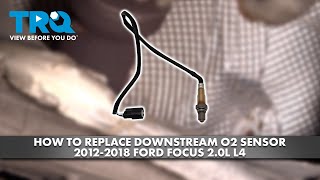
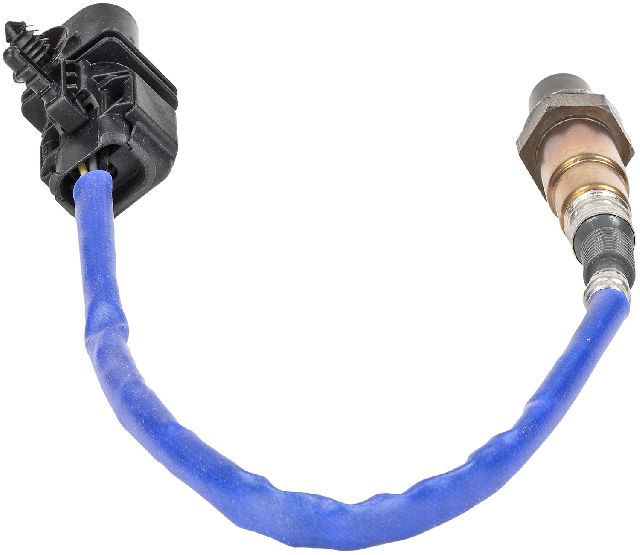
Your Focus has two sensors that do different jobs. The upstream sensor (Sensor 1) is located before the catalytic converter and is critical for setting the air-fuel mixture. The downstream sensor (Sensor 2) is located after the catalytic converter and its main job is to monitor the converter's health. Always make sure you are buying the correct sensor for the position you are replacing.
Oxygen Sensor Replacement Cost for 2009-2018 Ford Focus
The cost depends on whether you do it yourself or go to a shop. The parts themselves have a wide price range based on brand quality.
| Item | Estimated Cost |
|---|---|
| New Aftermarket Part | $27 - $161 |
| New OEM (Motorcraft) Part | $157 - $192 |
| Shop Labor | $51 - $75 |
| Total Professional Replacement | $208 - $268 |
Frequently Asked Questions

How many oxygen sensors does my Ford Focus have?
Most 2009-2018 Ford Focus models with a 4-cylinder engine (like the 2.0L) have two oxygen sensors: one upstream (Bank 1, Sensor 1) and one downstream (Bank 1, Sensor 2). Some less common engine variants might have more if they use a dual-exhaust setup.
Can I replace just one oxygen sensor?
Yes. You only need to replace the sensor that has failed. A scan tool can tell you which specific sensor is causing the fault code (e.g., Bank 1 Sensor 1). However, O2 sensors have a similar lifespan, so if one fails due to age, the other may not be far behind.
Is replacing an O2 sensor a DIY job?
Yes, it is a feasible DIY job for someone with basic tools and experience. The upstream sensor is often easy to access in the engine bay, while the downstream sensor requires safely lifting the car. The biggest challenge is often removing the old sensor, which can be seized in the exhaust pipe. Letting the car cool completely and using penetrating oil is recommended.
Do I need a special tool to replace an oxygen sensor?
It is highly recommended. A special 22mm (or 7/8-inch) oxygen sensor socket with a slit for the wire makes the job much easier and prevents damage to the new sensor's wiring.
Helpful Videos
Technical Specifications
OEM Part Numbers: DY-1185
Most 2.0L engines use two sensors: one upstream (wideband type) and one downstream (switching type). A 22mm (7/8") oxygen sensor socket is required for removal and installation. The installation torque specification is typically 35 Nm (26 ft-lbs).
We Have This Part in Stock



The information in this article is provided for general reference and educational purposes only. Vehicle specifications, procedures, and part compatibility can vary by production date, trim level, and region. Always consult your vehicle's factory service manual and verify part numbers before purchasing or performing repairs. Safety-critical components such as airbags, seat belts, and braking systems should be installed by a qualified professional.
- Ford Focus: