

Audi Q5 ABS Wheel Speed Sensor: A Guide for 2009-2018 Models
Understand the common failure points and learn how to choose the right replacement ABS sensor for your Audi Q5.
- A dashboard full of warning lights (ABS, ESC, Traction Control) on a Q5 is most often caused by a single failed wheel speed sensor.
- A diagnostic scan is essential to identify which specific wheel sensor has failed before buying parts.
- For best results, stick with OEM-quality brands like Bosch, Hella, or Delphi for this critical electronic part.
- Check for wiring damage near the firewall on 2009-2014 models, as this is a known issue per a TSB.
Is Your Audi Q5 Showing ABS or ESC Lights?


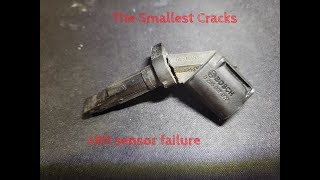
If you see the ABS, Electronic Stability Control (ESC), or traction control warning lights on your dashboard, a failing wheel speed sensor is a very common cause. This single component is responsible for feeding speed data to multiple safety systems. When it fails, the car's computer disables these systems as a precaution, leading to a cascade of warning lights. You might also notice that your cruise control no longer works or, in some cases, the speedometer may act erratically.
Known Issues for 2009-2014 Audi Q5
A Technical Service Bulletin (TSB #2033412/1) was issued for 2009-2014 Q5 models. It notes that the wiring insulation for the ABS sensor harness could be damaged during manufacturing. Over time, this can allow moisture to cause corrosion, leading to a bad signal and fault codes. Before replacing a sensor, it's wise to inspect the wiring harness near the left bulkhead grommet for any visible damage or corrosion.
Choosing the Right Aftermarket ABS Sensor

When replacing an ABS sensor on your Q5, you don't have to buy the expensive dealer part. However, not all aftermarket brands are created equal, especially for sensitive German electronics. Here’s a breakdown of the available brands, grouped by quality and reputation.
Tier 1: OEM-Quality Brands
These brands are often original equipment manufacturers for Audi or are known to produce parts that meet or exceed dealer quality. For the most reliable, long-term fix, choose from this tier.
- Bosch: A top manufacturer for European cars, Bosch is a go-to for OE-quality electronic parts that work well and last long.
- Hella: Another German brand known for high-quality electronics and a strong warranty. Hella sensors are known for their precise fit and reliable signals.
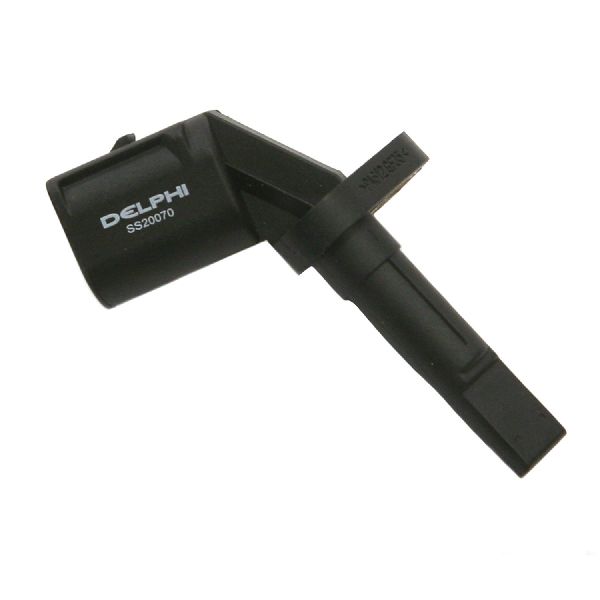
- Delphi: A well-regarded brand in the aftermarket, Delphi parts are known to be a solid choice for reliability and performance.
Tier 2: Reputable Aftermarket Brands
These brands offer a great balance of quality and value. They are a dependable choice for most repairs.
- Vemo: A brand that specializes in parts for European vehicles like Audi. Vemo is known for providing dependable replacements at a reasonable price.
- Beck Arnley: Often sources and repackages parts from OEM suppliers, making them a very reliable choice.
- Standard Ignition (SMP): A long-standing brand with a good reputation for producing quality electronic components.
- Bremi: A German brand that manufactures a range of automotive electrical components.
Tier 3: Value-Focused Brands
These brands can be a good option if budget is the primary concern. However, quality and longevity can sometimes be inconsistent.
- URO Parts: Known for being a budget-friendly alternative. While some of their parts are a great value, they can have mixed reviews for complex electronic components.
- Facet: An established brand offering a wide range of electronic parts at a competitive price point.
Cost of Replacing an Audi Q5 ABS Sensor
The cost can vary depending on the brand you choose and whether you do the job yourself. The part itself is not expensive, and the labor is straightforward for a mechanic.
| Item | Estimated Cost |
|---|---|
| New Aftermarket ABS Sensor | $28 - $95 |
| Shop Labor | $80 - $180 |
| Total Professional Repair | $108 - $275 |
Pro Tip: Replacing an ABS sensor is a common DIY job. If the sensor is not seized by rust, it can be replaced in under an hour with basic tools, saving you the cost of labor.
Frequently Asked Questions

Can I replace just one ABS sensor?
Yes. The sensors fail individually, and you only need to replace the one that has failed. A proper diagnostic scan tool can read the fault codes from the ABS module and tell you exactly which wheel sensor is causing the problem (e.g., "Front Left Wheel Speed Sensor - Implausible Signal"). There is no need to replace them in pairs or all at once.
How difficult is it to replace an ABS sensor on a Q5?
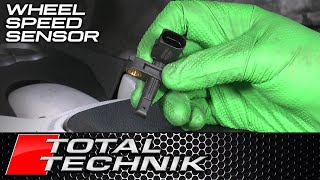
The replacement is generally easy. It involves removing the wheel, unplugging the sensor's electrical connector, and removing a single bolt (usually a 5mm hex). The biggest challenge can be the old sensor getting stuck in the wheel hub due to rust and corrosion. If it's stuck, it may require penetrating oil and careful prying or even drilling to remove.
What happens if I don't replace a bad ABS sensor?
Your regular brakes will still work, but you will not have the safety benefits of the Anti-lock Braking System (ABS), traction control, or stability control. This means your wheels can lock up during a hard stop, causing the vehicle to skid and making it difficult to steer. It is a significant safety risk, especially in wet or icy conditions, and should be fixed promptly.
Could something else cause the ABS light?
Yes. While a bad sensor is the most common cause, the issue could also be a damaged wire or connector, a dirty or damaged tone ring on the wheel bearing, or in rare cases, a faulty ABS control module. A TSB for all Audi models notes that dirt or grease on the sensor or tone ring can cause an "implausible signal" fault. Always start with a diagnostic scan to confirm the fault code before ordering parts.
Helpful Videos

Technical Specifications
OEM Part Numbers: 4E0927803F
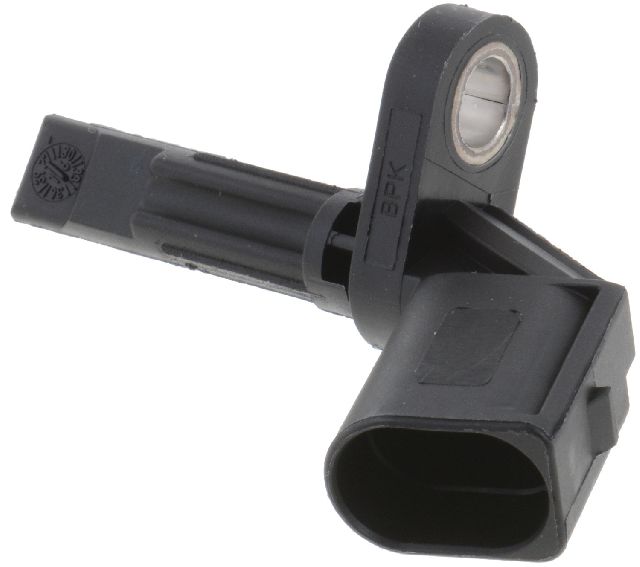
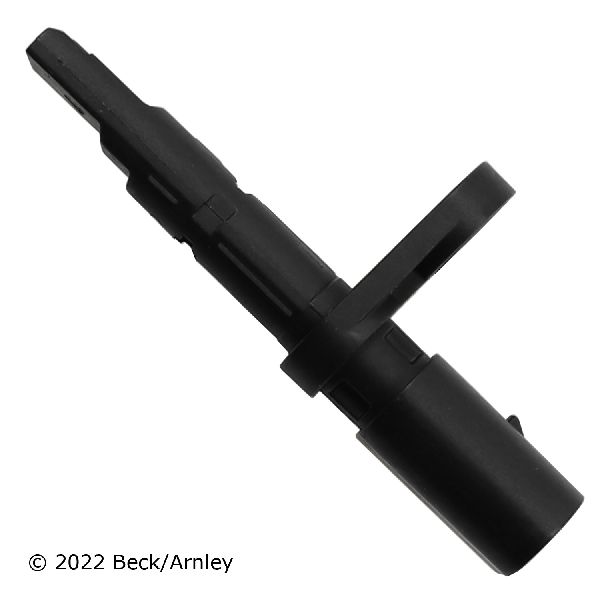
The sensors are specific to front/rear and sometimes left/right positions. Always verify the exact part number for your vehicle's VIN and the specific wheel location before ordering.
We Have This Part in Stock


The information in this article is provided for general reference and educational purposes only. Vehicle specifications, procedures, and part compatibility can vary by production date, trim level, and region. Always consult your vehicle's factory service manual and verify part numbers before purchasing or performing repairs. Safety-critical components such as airbags, seat belts, and braking systems should be installed by a qualified professional.
- Audi Q5: