

A Guide to Replacing Disc Brake Calipers on Your 2009-2017 Winnebago Suncruiser
Solving common brake sticking, pulling, and overheating issues starts with the right caliper.
- First, identify if your Suncruiser has a Ford F53 or Workhorse chassis, as parts are different.
- Sticking calipers are the most common failure, often caused by seized slide pins or swollen pistons from long storage periods.
- Always replace calipers in pairs (left and right) to ensure balanced braking and safety.
- Consider premium aftermarket calipers with protective coatings (like Raybestos or DFC) to prevent rust, and replace old rubber brake hoses at the same time.
Is it a Ford or Workhorse Chassis?
Before buying any brake parts, you must know which chassis your 2009-2017 Suncruiser is built on. Winnebago used both the Ford F53 and the Workhorse (W20/W21/W22) chassis during these years. The brake systems are completely different. Check the certification label, usually found on the wall next to the driver's seat or on the driver's door, to find your chassis manufacturer and Vehicle Identification Number (VIN).
Common Failure Symptoms
Brake calipers on a heavy motorhome live a tough life. Long periods of sitting followed by intense heat from braking cause unique problems. The most common issue for both chassis types is a sticking or seized caliper.
- Vehicle Pulling: A sticking caliper will cause the RV to pull to one side while driving or braking.
- Burning Smell: A strong, hot smell from a wheel well is a classic sign of a dragging brake. In bad cases, you might see smoke.
- Spongy Brake Pedal: If a caliper seal fails and leaks brake fluid, the pedal may feel soft or go closer to the floor. You may also see fluid on the ground near a wheel.
- Needing More Power: If the engine seems to be working harder to maintain speed, it could be fighting a dragging brake.
Known Issues & Recalls
For Workhorse Chassis (up to 2010): Many of these chassis were part of a major safety recall (51101-C) for sticking Bosch brake calipers. The issue was that the phenolic (a type of plastic) pistons could swell with moisture, especially after long periods of storage, causing the brakes to lock up. Most of these should have been repaired, but be aware of this history.
For Ford F53 Chassis: Ford issued a safety recall (14S14) for some 2014 F53 chassis due to caliper piston bores that could be out-of-round, leading to fluid leaks. It is critical for owners of 2014 models to check if their vehicle was affected.
Choosing the Right Aftermarket Caliper
When replacing a caliper, you have a choice between standard new/remanufactured parts and premium options. For a heavy vehicle like a Suncruiser, investing in a quality part is a good idea. Look for calipers with protective coatings to prevent rust, which is a major cause of sticking.
| Brand Tier | Brands | Key Features & Considerations |
|---|---|---|
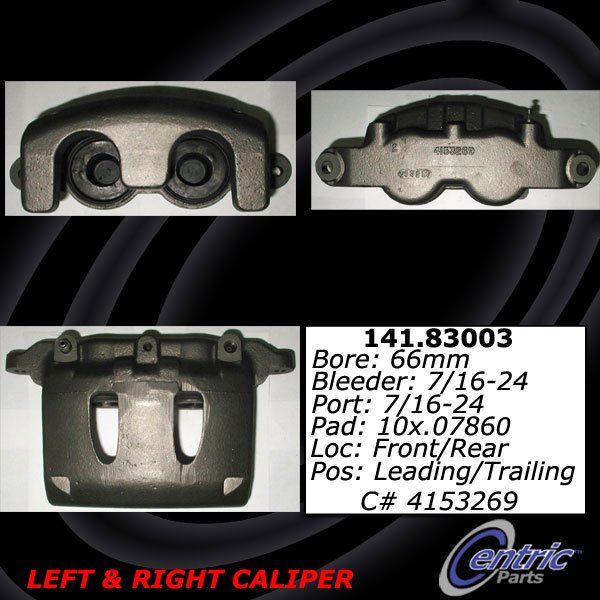
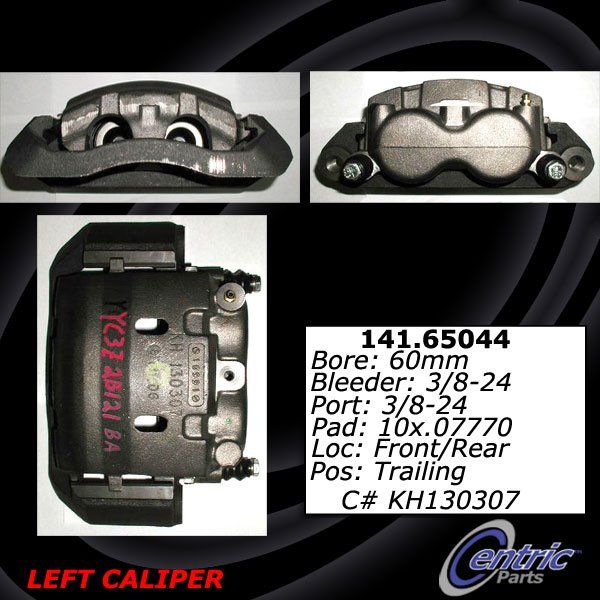
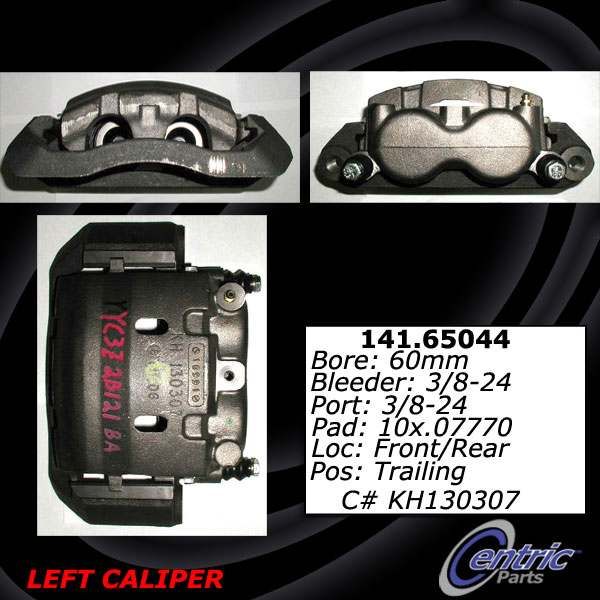
| Good (Value) | Centric (Standard Remanufactured) | A widely available and affordable choice that meets basic requirements. However, some users report the standard finish can develop surface rust quickly, so painting them with high-temp caliper paint before installation is a good idea. |
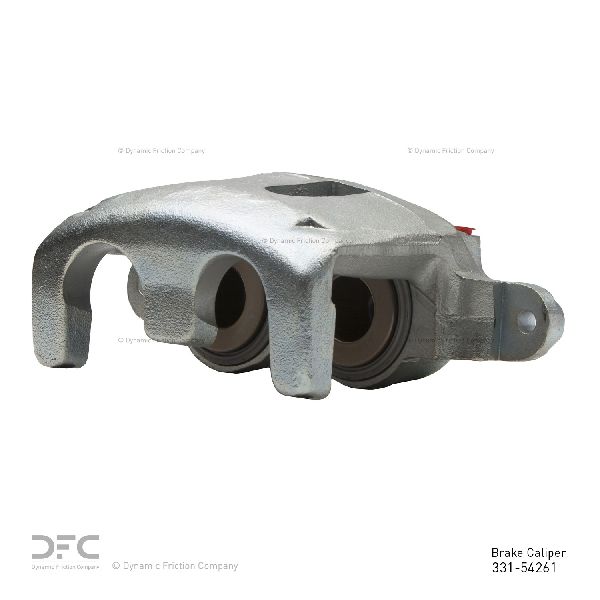
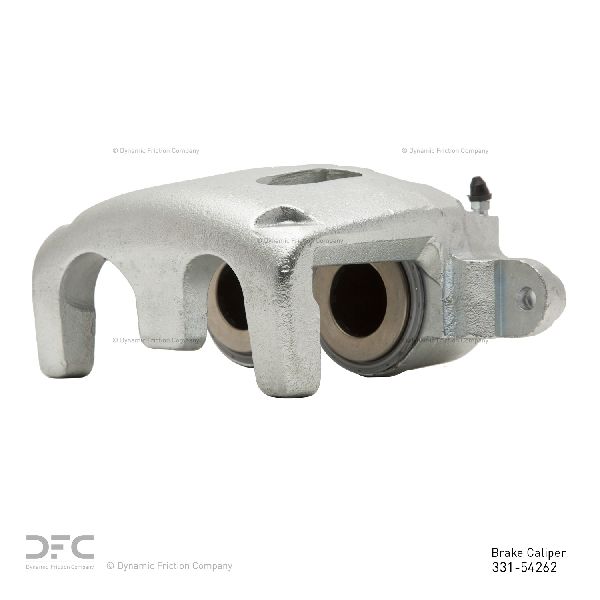
| Better (Enhanced) | Dynamic Friction (DFC) | These are new calipers, not remanufactured, and typically come with a silver zinc coating for better rust protection. They are designed to meet or exceed OEM standards and are 100% pressure tested. |
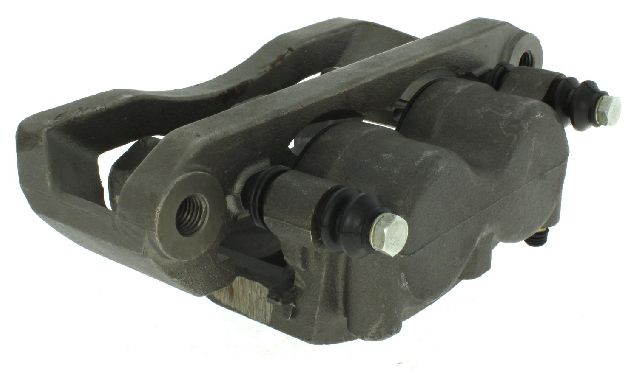
| Best (Premium) | Raybestos (Element3 New) | These are 100% new calipers, meaning no core charge or need to return the old part. They feature a premium zinc or aluminum plating that is tested to resist corrosion, which is ideal for the harsh conditions an RV faces. They are engineered to match original specifications for an easy installation. |
Pro Tip: Replace in Pairs and Check the Hoses
Always replace calipers in pairs (both front or both rear) to ensure even braking power and prevent pulling. Also, inspect your rubber brake hoses. Over time, they can break down internally and act like a one-way valve, trapping pressure and causing the caliper to stick. Replacing old hoses when you replace the calipers is a smart move to prevent future problems.
Frequently Asked Questions
What are caliper slide pins and why are they important?
Slide pins are bolts that allow the caliper to move side-to-side. This movement is critical for even brake pad wear. On a heavy F53 or Workhorse chassis, these pins are a common failure point. If they rust or the grease dries out, the caliper can't move freely and will bind or stick. They must be cleaned and lubricated with high-temperature silicone brake grease during any caliper replacement.
What's the difference between phenolic and steel pistons?
Phenolic pistons are made from a strong, plastic-like material that doesn't transfer heat well, which helps keep brake fluid from boiling. However, as seen in the Workhorse recall, they can sometimes swell with age and moisture. Steel pistons are very durable but can corrode if not properly plated or protected. Most modern aftermarket calipers use high-quality phenolic or properly treated steel pistons.
Can I replace just one caliper?
It is strongly recommended that you replace calipers as a pair on the same axle (both fronts or both rears). A new caliper will function more efficiently than the old one on the other side, which can cause a dangerous braking imbalance and make the vehicle pull to one side.
Is a 'new' or 'remanufactured' caliper better?
For a heavy-duty application like a motorhome, either a high-quality remanufactured caliper or a new one is a good choice. Remanufactured calipers reuse the original caliper body but are rebuilt with all new seals, pistons, and hardware. New calipers, like those from Raybestos Element3 or Dynamic Friction, are made from 100% new materials and often feature better coatings.
Technical Specifications
Chassis dependent (Ford F53 or Workhorse W-Series). Typically dual-piston, cast iron calipers. Fitment is determined by chassis model year and Gross Vehicle Weight Rating (GVWR).
We Have This Part in Stock

The information in this article is provided for general reference and educational purposes only. Vehicle specifications, procedures, and part compatibility can vary by production date, trim level, and region. Always consult your vehicle's factory service manual and verify part numbers before purchasing or performing repairs. Safety-critical components such as airbags, seat belts, and braking systems should be installed by a qualified professional.
- Winnebago Suncruiser: