

A Guide to Replacing the Oxygen Sensor on Your 2009-2017 Volkswagen CC
Bad fuel economy and a check engine light on your CC could mean it's time for a new oxygen sensor.
- Confirm your engine (2.0T or 3.6L) and sensor location (upstream/downstream) before ordering; they are not interchangeable.
- Using an OEM-equivalent brand like Bosch or NGK/NTK for the upstream sensor is strongly recommended for proper performance.
- A bad oxygen sensor will cause poor fuel economy and a failed emissions test.
- Ignoring a failing O2 sensor can lead to costly damage to your catalytic converter.
Is Your Volkswagen CC Oxygen Sensor Failing?

A failing oxygen sensor can cause noticeable problems with your car's performance and fuel efficiency. Because the sensor's data is vital for the engine to run correctly, a bad sensor can throw the whole system off balance. Ignoring these symptoms can lead to more expensive repairs down the road, including damage to your catalytic converter.
Common Symptoms of a Bad O2 Sensor:
- Check Engine Light: This is the most common sign. A diagnostic scan will often show codes related to the O2 sensor, such as P0130, P0135, P0141, or P0171. 🎬 See how to quickly fix a P0171 engine code yourself.
- Poor Fuel Economy: If you find yourself filling up your gas tank more often, a bad sensor could be forcing the engine to use more fuel than necessary.
- Rough Idle or Engine Misfires: The engine may run unevenly, hesitate, or misfire because the air-fuel mixture is incorrect.
- Rotten Egg or Gas Smell: A strong smell of sulfur or gasoline from the exhaust indicates that unburned fuel is passing through the system, a problem a bad O2 sensor can cause.
- Failed Emissions Test: A bad O2 sensor will almost certainly cause your vehicle to fail a state emissions inspection due to high levels of pollutants.
How Many Sensors Does My CC Have? It's Complicated.
This is the most common point of confusion for CC owners. The number of sensors depends on your engine. Always confirm your engine type and sensor location before buying.
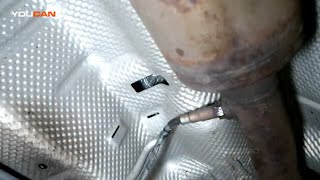
- 2.0T TSI Engine: Most 2.0T engines have two oxygen sensors: one upstream (before the catalytic converter) and one downstream (after the catalytic converter). 🎬 Watch a walkthrough on replacing the downstream oxygen sensor.
- 2.0T TSI (CBFA Engine Code): Some 2.0T engines, particularly those made for California emissions standards (engine code CBFA), may have three oxygen sensors.
- 3.6L VR6 Engine: The V6 engine has two exhaust banks and therefore has four oxygen sensors: two upstream and two downstream.
Choosing the Right Aftermarket Oxygen Sensor

When shopping for a replacement, you'll see terms like "upstream" and "downstream," as well as a wide range of brands. It's crucial to get the right part for the right location.
- Upstream Sensor (Air/Fuel Ratio Sensor): This sensor is located before the catalytic converter, often in the exhaust manifold or downpipe. It is the primary sensor used by the engine computer to make rapid adjustments to the air-fuel mixture. This is the more critical of the sensors for engine performance.
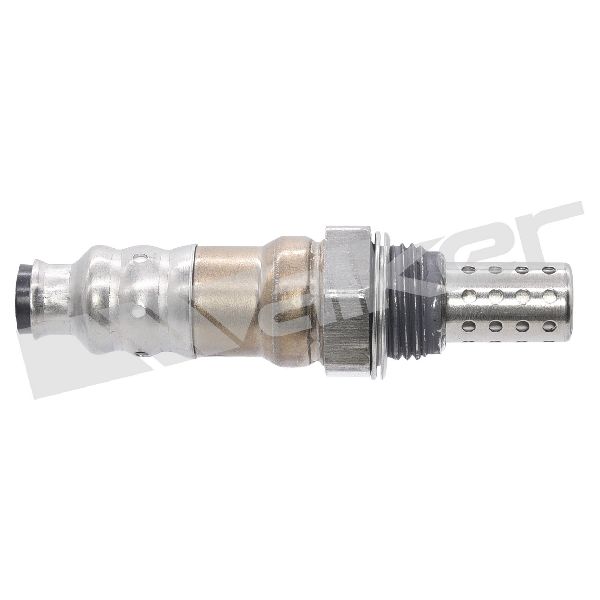
- Downstream Sensor (Diagnostic Sensor): This sensor is located after the catalytic converter. Its main job is to monitor the efficiency of the catalytic converter itself. It confirms that the converter is cleaning the exhaust as expected.
Aftermarket Brand Tiers for the VW CC
For a sensitive component like an oxygen sensor on a German car, brand choice matters. While many brands are available, they generally fall into three tiers of quality and price.
Tier 1: OEM-Equivalent Brands
These are the brands that likely made the original part for Volkswagen. They offer the best fit, performance, and longevity. For the VW CC, this is primarily Bosch. NGK/NTK and Denso are also top-tier OEM suppliers known for excellent quality and are a reliable choice.
Tier 2: Quality Aftermarket Brands
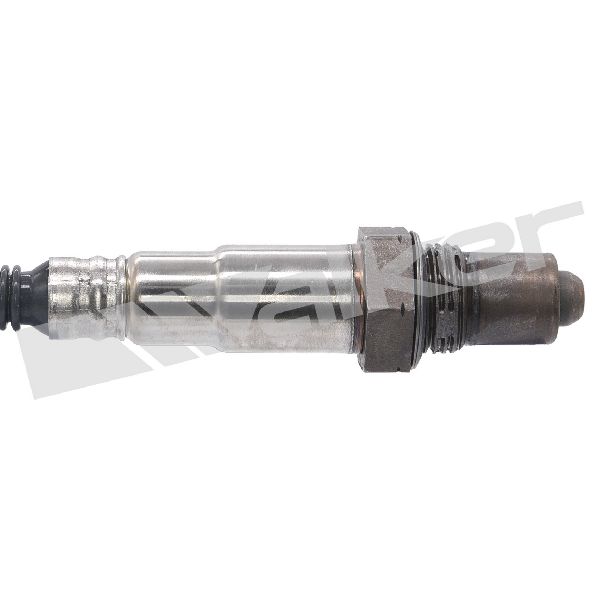
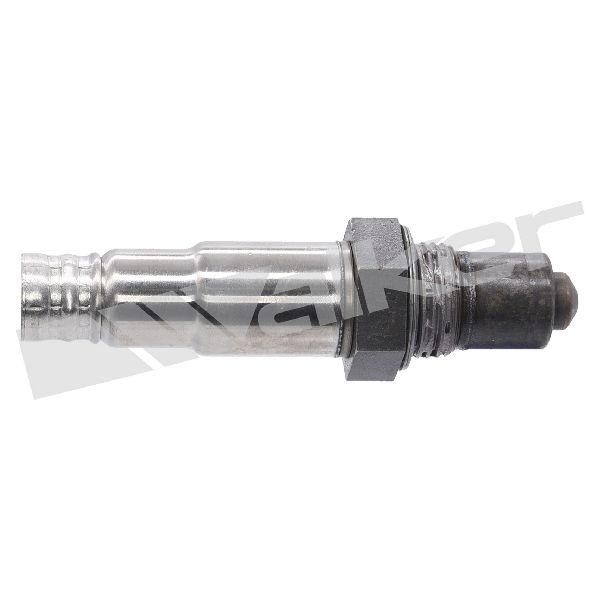
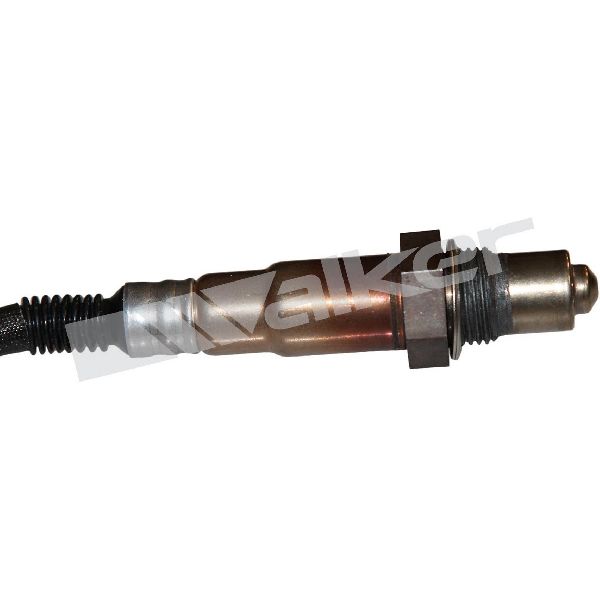
These brands produce reliable parts that meet or exceed OEM specifications, often at a more moderate price. Brands like Delphi, Spectra, and Walker Products fit into this category and are a solid choice for a balance of cost and quality.
Tier 3: Budget-Friendly Brands
For those on a tighter budget, brands like DriveWire and Facet offer a more affordable solution. While functional, they may not offer the same longevity or precise calibration as the higher-tier brands.
Cost of Replacing a Volkswagen CC Oxygen Sensor

| Item | Estimated Cost |
|---|---|
| New Aftermarket Oxygen Sensor | $32 - $185 per sensor |
| Shop Labor | $100 - $200 per sensor |
| Total DIY Cost (1 Sensor) | $32 - $185 |
| Total Professional Replacement (1 Sensor) | $132 - $385 |
Cost estimates are for a single sensor and can vary based on your location, the specific sensor needed, and your vehicle's condition. Sensors seized by rust can increase labor time.
Frequently Asked Questions

Can I just clean my old oxygen sensor?
While some people attempt to clean O2 sensors, it is not a reliable or recommended repair. The sensing element becomes contaminated internally over time, and cleaning the exterior will not restore its function. Replacement is the only proper fix.
What tools do I need to replace a VW CC oxygen sensor?
The main special tool required is a 22mm oxygen sensor socket, which has a slit to accommodate the sensor's wire. You will also need a ratchet and potentially a penetrating lubricant if the old sensor is rusted in place.
Why is one sensor so much more expensive than another?
Upstream air/fuel ratio sensors are more complex than downstream sensors and often cost more. Additionally, brand quality plays a huge role, with OEM-equivalent brands like Bosch commanding a higher price for their proven reliability and performance.
Are there any recalls for the oxygen sensor on my CC?
There are no widespread safety recalls specifically for oxygen sensor failure on the 2009-2017 Volkswagen CC. Always check your VIN for any open recalls on the NHTSA website.
Helpful Videos
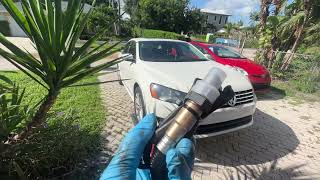
![How to Fix P0171 Engine Code in 2 Minutes [2 DIY Methods / Only $8.37]](https://img.youtube.com/vi/nZPJGtZxzko/mqdefault.jpg)
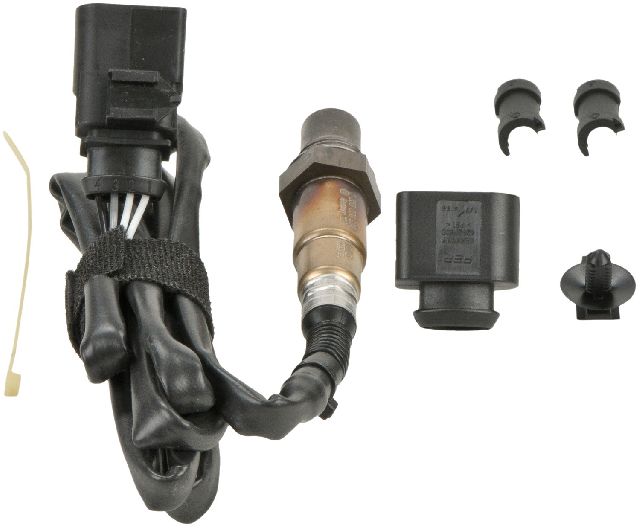
Technical Specifications
OEM Part Numbers: 1K0-998-262-E 1K0-998-262-T 1K0998262C
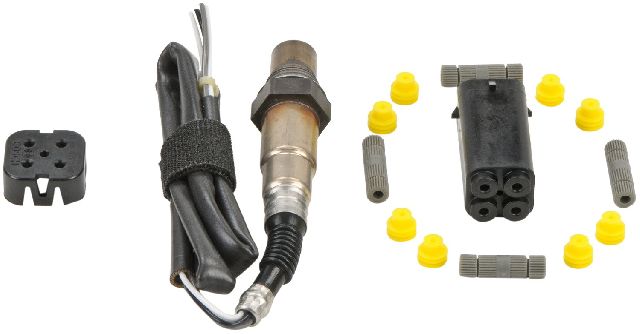
Number of sensors varies by engine (2 for most 2.0T, 3 for CBFA 2.0T, 4 for 3.6L VR6). Sensors are designated as upstream (pre-catalyst) or downstream (post-catalyst). A 22mm oxygen sensor socket is required for removal and installation. Always verify the specific part number with your vehicle's VIN.
We Have This Part in Stock

The information in this article is provided for general reference and educational purposes only. Vehicle specifications, procedures, and part compatibility can vary by production date, trim level, and region. Always consult your vehicle's factory service manual and verify part numbers before purchasing or performing repairs. Safety-critical components such as airbags, seat belts, and braking systems should be installed by a qualified professional.
- Volkswagen CC: