

Toyota Venza Oxygen Sensor Guide for 2009-2017 Models
Understand the signs of a failing oxygen sensor and learn how to choose the right replacement for your Venza's engine.
- Denso is the original equipment manufacturer for the Venza; choosing Denso or NTK ensures OEM-level quality and fit.
- Confirm your engine size (2.7L I4 or 3.5L V6) and the specific sensor location (e.g., Bank 1 Sensor 2) before ordering.
- On V6 models, the rear (Bank 1) sensors are significantly harder to replace than the front ones, with one connector located inside the cabin under the driver's seat.
- A bad oxygen sensor can cause the Check Engine, AWD, and Traction Control lights to all turn on.
Symptoms of a Failing Oxygen Sensor in a Toyota Venza

When an oxygen sensor starts to fail, your Venza's engine computer can't properly adjust the air-fuel ratio. This leads to several noticeable problems. The most common sign is a lit Check Engine Light on your dashboard. In many Venza models, a faulty oxygen sensor can also trigger the AWD and traction control warning lights to come on at the same time.
Other symptoms include:
- Reduced fuel economy
- Rough or uneven idling
- Engine hesitation or misfiring
- A strong smell of sulfur or "rotten eggs" from the exhaust
- Failing a vehicle emissions test
Don't Ignore a Bad Sensor
Continuing to drive with a bad oxygen sensor can cause more expensive problems down the road. An incorrect air-fuel mixture can damage your catalytic converters, a repair that costs significantly more than replacing a sensor.
How Many Oxygen Sensors Does a 2009-2017 Venza Have?

The number of sensors depends on your engine. You must identify which engine your Venza has before ordering parts.
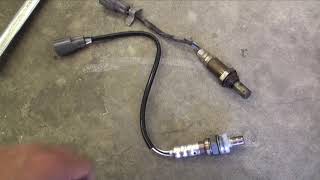
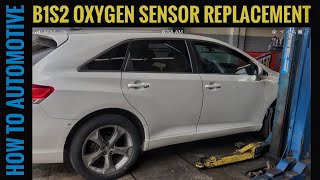
- 2.7L 4-Cylinder (1AR-FE): 🎬 Watch a similar O2 sensor replacement on a Toyota 4-cylinder engine. This engine has two oxygen sensors. One is located before the catalytic converter (Upstream, Bank 1 Sensor 1) and one is located after it (Downstream, Bank 1 Sensor 2).
- 3.5L V6 (2GR-FE): This engine has four oxygen sensors. It has two cylinder banks. Bank 2 is at the front of the vehicle (near the radiator), and Bank 1 is at the rear (near the firewall).
- Bank 2, Sensor 1 (Upstream, Front)
- Bank 2, Sensor 2 (Downstream, Front)
- Bank 1, Sensor 1 (Upstream, Rear)
- Bank 1, Sensor 2 (Downstream, Rear)
Upstream vs. Downstream
Upstream sensors (also called Air/Fuel Ratio Sensors or Sensor 1) are the primary sensors used by the computer to control the fuel mixture. Downstream sensors (Sensor 2) mainly monitor the efficiency of the catalytic converter. They are not interchangeable.
Choosing the Right Aftermarket Oxygen Sensor

For a critical part like an oxygen sensor, brand quality matters. Sticking with proven brands ensures compatibility and longevity. For the Toyota Venza, Denso is the original equipment manufacturer (OEM), meaning they made the parts that were installed at the factory.
Brand Quality Tiers
- Tier 1: OE-Equivalent (Recommended)
Denso: As the OEM supplier for Toyota, a Denso sensor is the safest choice for a direct, reliable replacement. Forum members and mechanics consistently recommend using Denso parts for Toyotas. - Tier 2: High-Quality Aftermarket
NGK (NTK): NGK, which markets its sensors under the NTK brand, is another top-tier OEM supplier for many automakers and is considered an excellent alternative to Denso.
Bosch: Bosch invented the automotive oxygen sensor and has a strong reputation for quality. While some Toyota purists prefer to stick with Japanese brands like Denso or NTK, Bosch is a globally trusted brand that produces reliable sensors. - Tier 3: Standard Aftermarket
Delphi, Spectra, Walker Products, DriveWire: These brands offer a more budget-friendly option. They can be a viable choice, but may not offer the same guaranteed fit or lifespan as the OEM-level brands.
Known Issues, Recalls, and Service Bulletins
As of late 2023, there are no specific oxygen sensor recalls or Technical Service Bulletins (TSBs) issued by Toyota or the NHTSA for the 2009-2017 Toyota Venza. Searches show recalls for other components like airbags, but the oxygen sensor system on this vehicle has proven to be generally reliable without widespread, documented factory defects.
| Item | Estimated Cost |
|---|---|
| New Aftermarket Oxygen Sensor | $41 - $308 |
| New OEM (Toyota/Denso) Oxygen Sensor | $150 - $250 |
| Shop Labor | $80 - $300+ |
Note: Labor costs can vary significantly. Replacing the rear sensors (Bank 1) on the V6 model is much more labor-intensive and will be at the higher end of the cost range.
Frequently Asked Questions (FAQ)

Can I replace just one oxygen sensor?
Yes, you only need to replace the sensor that has failed. The diagnostic trouble code (e.g., P0135, P0057) 🎬 Watch this video to see a P0057 repair on a Venza. will tell you which sensor needs attention. However, oxygen sensors have a similar lifespan, so if one fails due to high mileage, others may not be far behind.
What tools do I need to replace a Venza oxygen sensor?
You will need a special tool called an oxygen sensor socket, which has a slot for the wire to pass through. A 22mm wrench can also work in some cases. Using a penetrating fluid like PB Blaster beforehand is highly recommended to loosen the old sensor, as they are often seized in the exhaust pipe.
Why is replacing the rear sensor on the V6 so difficult?
On the 3.5L V6, the Bank 1, Sensor 2 (downstream rear) connector is routed through the vehicle's floor and plugs in under the driver's seat. This requires removing the driver's seat and pulling up the carpet to access and replace 🎬 See this walkthrough for replacing the difficult Bank 1 Sensor 2. the sensor harness, making it a much more complex job than the other sensors.
Can I clean an oxygen sensor instead of replacing it?
While some online sources suggest cleaning O2 sensors, it is not a reliable or recommended repair. The sensing element can become contaminated internally, which cleaning cannot fix. Replacement is the only way to guarantee proper function and restore engine performance.
Helpful Videos

Technical Specifications
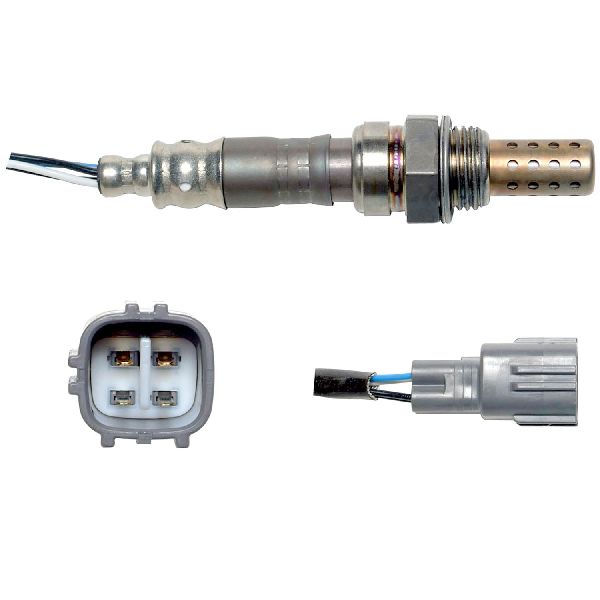
OEM Part Numbers: 89465-0T010 234-4260 234-4306 234-9089
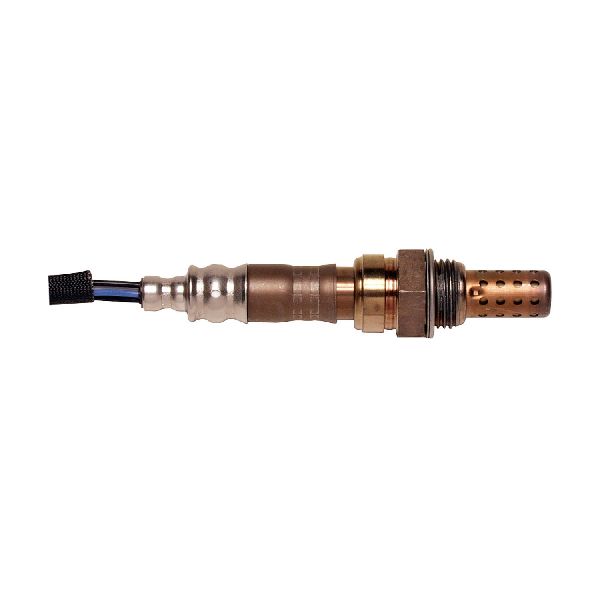
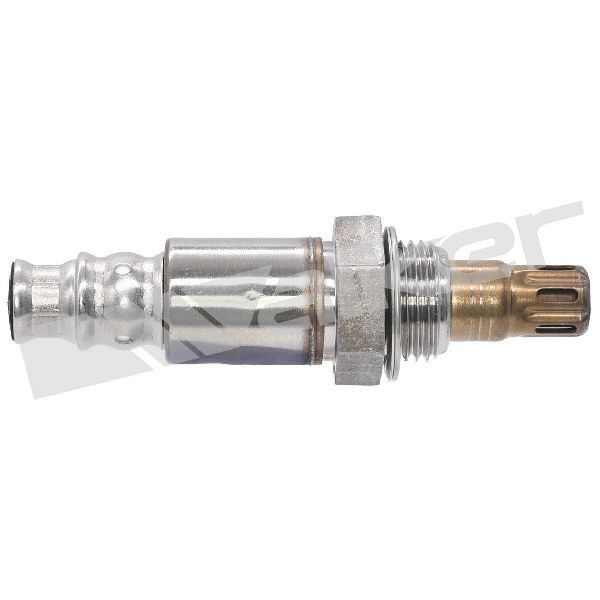
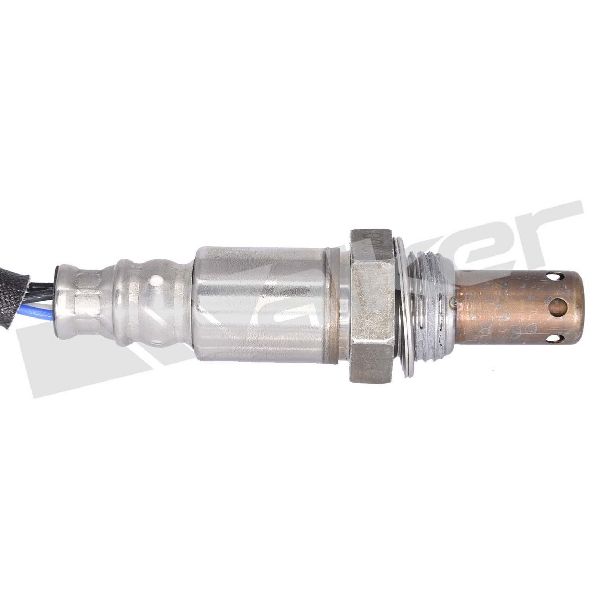
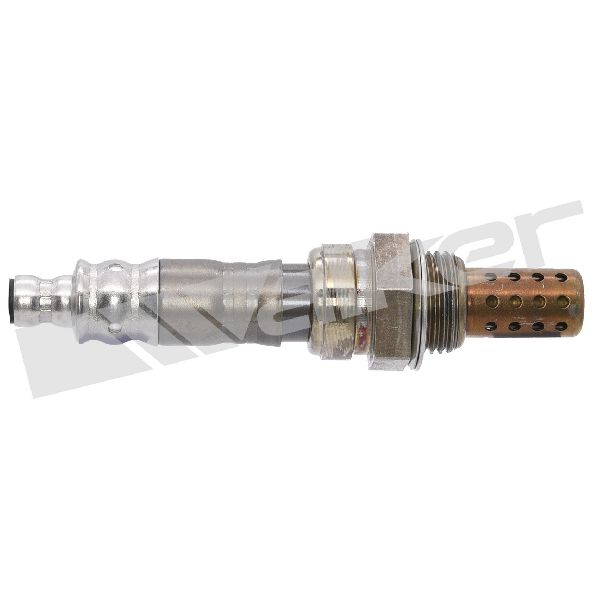
Heated 4-wire sensors. Upstream sensors are Air/Fuel Ratio type. Downstream sensors are Oxygen Sensor type. Connectors are direct-fit for specific locations.
We Have This Part in Stock


The information in this article is provided for general reference and educational purposes only. Vehicle specifications, procedures, and part compatibility can vary by production date, trim level, and region. Always consult your vehicle's factory service manual and verify part numbers before purchasing or performing repairs. Safety-critical components such as airbags, seat belts, and braking systems should be installed by a qualified professional.
- Toyota Venza: