

Engine Crankshaft Position Sensor Guide for the 2009-2017 Suzuki Grand Vitara
Fix stalling, no-start, and rough running issues by understanding the crankshaft position sensor in your Grand Vitara.
- A failing crankshaft sensor will cause stalling or no-start issues and should be replaced immediately for safety and reliability.
- The most common diagnostic code for this issue is P0335.
- Location varies by engine: it's near the alternator on the 2.4L and on the rear of the engine on the 3.2L.
- For this critical part, choose a premium aftermarket brand like Hitachi or Beck Arnley for a balance of quality and value.
Is Your Grand Vitara Stalling or Refusing to Start?

A failing crankshaft position sensor is a common reason for engine problems in the 2009-2017 Suzuki Grand Vitara. This sensor is vital for engine timing, and when it starts to go bad, it can cause symptoms ranging from a simple check engine light to your vehicle shutting off in traffic. Because it can leave you stranded, it's a problem you should address as soon as symptoms appear.
Common Symptoms of a Bad Crankshaft Sensor

If your crankshaft sensor is failing, you will likely notice one or more of these issues:
- Check Engine Light: This is often the first warning. The most common trouble code associated with this failure is P0335.
- Engine Won't Start: The engine may crank but fail to start, or take much longer than usual to fire up. A completely failed sensor will prevent the engine from starting at all.
- Sudden Stalling: The engine may cut out unexpectedly while you are driving, which is a major safety risk.
- Rough Idle and Misfires: Your engine may vibrate or shake at idle because incorrect sensor data causes the engine to misfire.
- Poor Acceleration: The vehicle may feel sluggish, hesitate, or jerk when you press the gas pedal.
- Worse Gas Mileage: When the engine's timing is off, it burns fuel less efficiently, leading to more trips to the pump.
No Recalls for This Part
While there have been recalls for the 2009-2017 Suzuki Grand Vitara for issues like the manual transmission shifter and airbag sensors, there have been no official recalls or Technical Service Bulletins (TSBs) issued for the engine crankshaft position sensor. This means failure is typically due to normal wear and tear.
Choosing the Right Aftermarket Sensor

For a critical component like this, part quality matters. While an OEM sensor is always an option, high-quality aftermarket parts can offer reliable performance at a better price. Here’s how to think about the brands available:
- Premium Aftermarket (e.g., Hitachi, Beck Arnley): Brands like Hitachi are often the Original Equipment Manufacturer (OEM) for Japanese vehicles. Beck Arnley is known for sourcing parts from OEM suppliers, so you may get an OEM-quality part in their box. For this critical sensor, these brands are a strong choice.
- Reputable Aftermarket (e.g., Bosch, Delphi, Standard Ignition): These are well-known brands that supply parts to many automakers. While generally reliable, their aftermarket quality can sometimes be inconsistent compared to their OEM parts. They are a solid mid-range choice if a premium option is not available.
- Budget-Friendly Options (e.g., Walker Products, True Tech, Global Parts): These brands offer a lower price point. While tempting, be aware that for a sensor that can leave you stranded, saving a few dollars might not be worth the risk of premature failure. If your budget is tight, ensure the part comes with a good warranty.
Pro Tip: Given the importance of the crankshaft position sensor, it is wise to invest in a premium or reputable aftermarket brand. Avoid generic, no-name parts, as their reliability is often questionable.
Cost to Replace the Grand Vitara Crankshaft Position Sensor
| Part Type | Estimated Cost |
|---|---|
| New Aftermarket Part | $22 - $156 |
| New OEM Part | $150 - $250 |
| Shop Labor | $150 - $400 |
| Total Estimated Cost | $172 - $556 |
Note: Costs are estimates and will vary based on your location, vehicle engine, and the repair shop's labor rates.
Frequently Asked Questions

Where is the crankshaft sensor located on the Grand Vitara?
The location depends on your engine. On the 2.4L 4-cylinder engine, the sensor is located near the bottom of the alternator. On the 3.2L V6 engine, it is found on the right rear side of the engine block. Access can be tight.
Can I replace this sensor myself?
For an experienced DIY mechanic, this is a manageable job. However, it can be challenging due to the sensor's location. On the 2.4L engine, for example, the alternator may need to be loosened and moved to gain access. If you are not comfortable working in tight spaces or moving other engine components, it is best to leave this job to a professional.
Is an OEM sensor better than aftermarket for my Suzuki?
An OEM sensor guarantees a perfect fit and original performance. However, top-tier aftermarket brands like Hitachi or Beck Arnley often provide the same quality, sometimes because they are the original supplier. For a critical part like this, a premium aftermarket sensor is a reliable choice that can save you money over the OEM part.
What happens if I ignore a failing crankshaft sensor?
Ignoring the symptoms is not recommended. The problem will progress from rough running and poor fuel economy to intermittent stalling and eventually a no-start condition, leaving you stranded. Driving with a faulty sensor can be dangerous if the engine stalls in traffic.
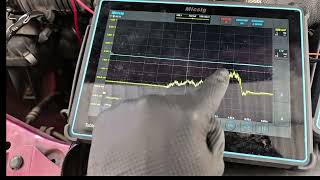
Helpful Videos


Technical Specifications
OEM Part Numbers: 33220-63J00 33220-76G11 J5T23591
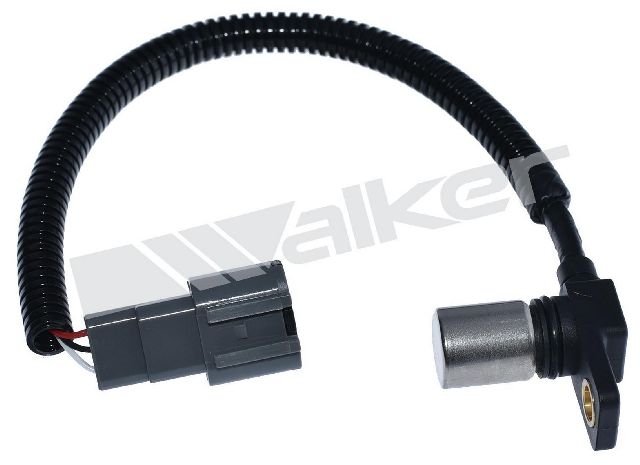
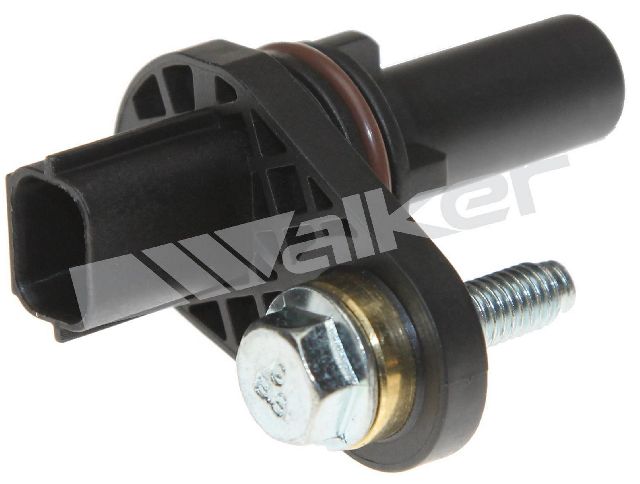
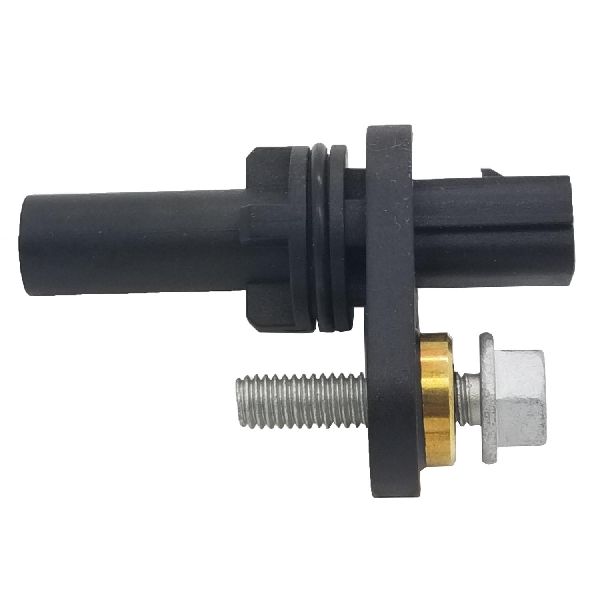
This is a magnetic or Hall effect sensor that generates a signal based on the rotation of a toothed reluctor wheel on the crankshaft.
We Have This Part in Stock


The information in this article is provided for general reference and educational purposes only. Vehicle specifications, procedures, and part compatibility can vary by production date, trim level, and region. Always consult your vehicle's factory service manual and verify part numbers before purchasing or performing repairs. Safety-critical components such as airbags, seat belts, and braking systems should be installed by a qualified professional.
- Suzuki Grand Vitara: