

A Guide to Replacing Oxygen Sensors on the 2009-2016 Chevrolet Camaro
Keep your Camaro's engine running efficiently by understanding when and how to replace a faulty oxygen sensor.
- A bad oxygen sensor will trigger the Check Engine Light and cause poor fuel economy, rough idling, and potential damage to the catalytic converter.
- For best results, choose top-tier aftermarket brands like ACDelco, Denso, or NGK/NTK, which are often OEM suppliers.
- Your Camaro has four sensors; use an OBD-II scanner to identify which one needs replacement before buying a new part.
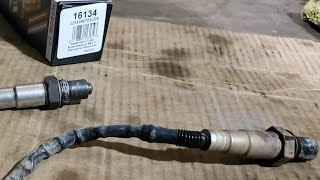
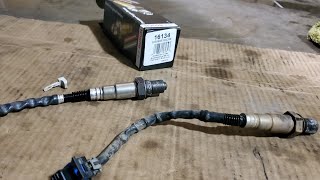
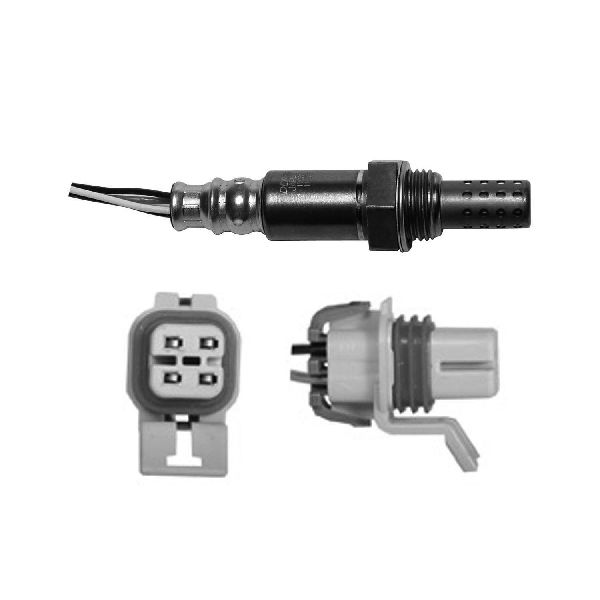
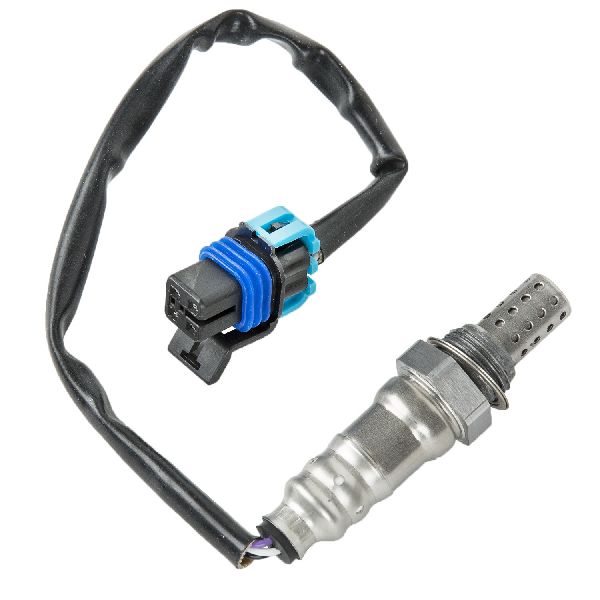
- Always purchase a 'direct-fit' sensor with the correct connector to avoid cutting and splicing wires.
Understanding Oxygen Sensor Failure in Your Camaro

The oxygen sensors in your 2009-2016 Camaro are wear-and-tear items. Over time, they can become contaminated by oil ash or coolant, or simply wear out from age and heat cycles. A failing sensor can't send accurate information to your engine's computer. This forces the computer to guess the proper air-fuel mixture, often resulting in a rich condition (too much fuel). Driving with a bad O2 sensor for too long is not recommended, as it can lead to more severe and expensive problems, like a damaged catalytic converter.
Symptoms of a Failing Oxygen Sensor

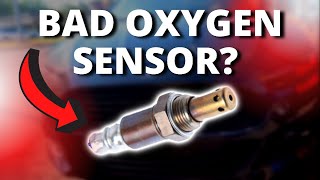
When an oxygen sensor starts to go bad in your Camaro, you'll likely notice one or more specific signs. The most obvious is the Check Engine Light on your dashboard. Other common symptoms include a noticeable drop in fuel economy, a rough or irregular idle, engine hesitation or misfires, and sometimes a rotten egg smell from the exhaust.
🎬 Watch: A detailed breakdown of common bad O2 sensor symptoms.Known Issues & Technical Service Bulletins (TSBs)
There are no major recalls for oxygen sensors on the 2009-2016 Camaro. However, GM has issued technical service bulletins for similar models regarding misrouted oxygen sensor wiring harnesses that can contact the hot exhaust, causing them to melt and fail. When replacing a sensor, always ensure the new wire is routed safely away from exhaust components.
Choosing the Right Aftermarket Oxygen Sensor

When it comes to aftermarket parts, quality can vary. For a critical component like an oxygen sensor, it's best to stick with reputable brands known for their reliability in GM vehicles.
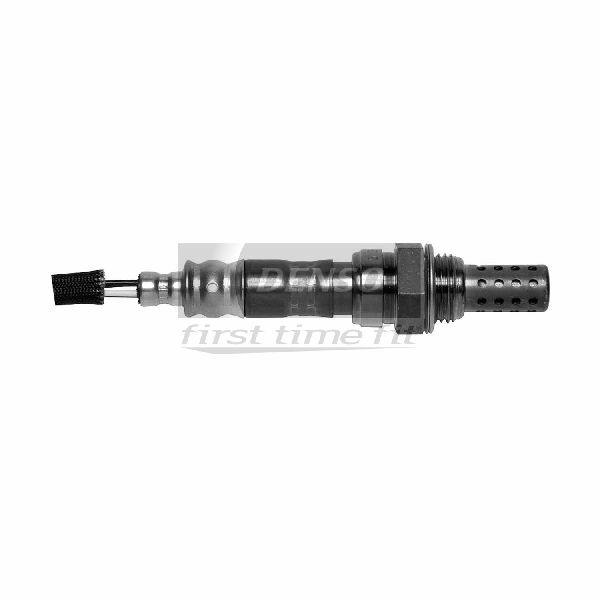
- Top Tier (OEM Equivalent): Brands like ACDelco (the original GM parts supplier), Denso, and NGK/NTK are highly recommended by Camaro owners. Denso is often cited as the actual manufacturer for the ACDelco-branded sensors, offering the same quality at a potentially lower price. These brands provide the best fit and performance, ensuring your engine computer receives accurate readings.
- Mid-Grade (Reliable Alternatives): Bosch and Delphi are also well-known manufacturers. However, owner experiences with Bosch sensors on Camaros are mixed; some have no issues, while others report premature failures or compatibility problems. It's a viable option, but be aware of the mixed feedback.
- Budget-Friendly: Brands like DriveWire, Spectra, and Walker Products are typically more budget-focused. While they can work, they may not have the same longevity or precise calibration as the top-tier brands. They are best used for a temporary fix or if budget is the primary concern.
Upstream vs. Downstream and Direct-Fit vs. Universal
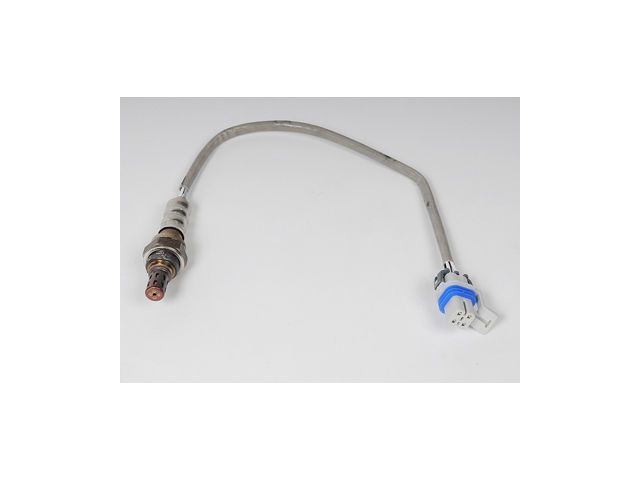
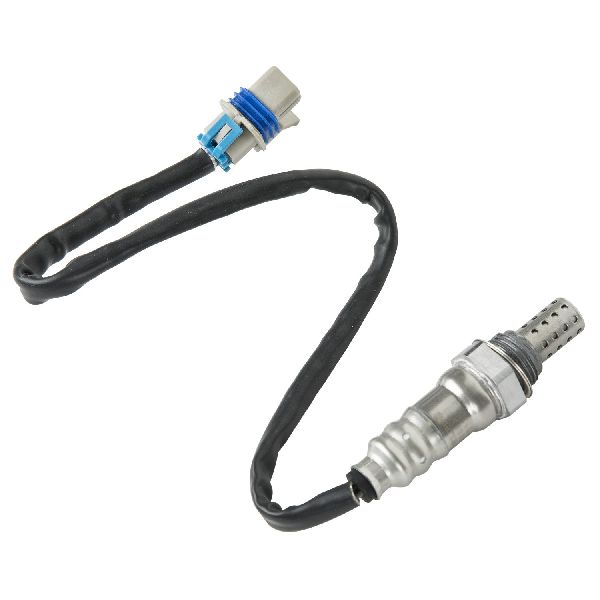
Your Camaro has upstream (Bank 1 Sensor 1, Bank 2 Sensor 1) and downstream (Bank 1 Sensor 2, Bank 2 Sensor 2) sensors. They are not always interchangeable. Always buy the specific sensor for the position you are replacing. Also, choose a "direct-fit" sensor. These come with the correct wire length and factory-style connector, making installation much easier than a "universal" sensor that requires you to cut and splice wires.
Cost of Replacing a Camaro Oxygen Sensor
| Cost Category | Estimated Price Range |
|---|---|
| New Aftermarket Sensor | $35 - $163 |
| New OEM Sensor (ACDelco) | $75 - $200+ |
| Shop Labor for Installation | $80 - $150 per sensor |
Frequently Asked Questions

How many oxygen sensors does my 2009-2016 Camaro have?
Most V6 and V8 Camaros from this generation have four oxygen sensors: two upstream (before the catalytic converters) and two downstream (after the catalytic converters). One for each engine bank.
Which sensor is Bank 1 and which is Bank 2?
On GM V-style engines, Bank 1 is the side with cylinder #1. For the V6 Camaro, Bank 1 is the passenger side. 🎬 See this step-by-step O2 sensor replacement on a V6 Camaro. For the V8 (LS3/L99), Bank 1 is the driver's side. 🎬 Watch: How to change the oxygen sensors on a V8 Camaro. Always confirm with a service manual for your specific year and engine.
Can I replace just one oxygen sensor?
Yes. You only need to replace the specific sensor that has failed, which can be identified by reading the Diagnostic Trouble Code (DTC) with an OBD-II scanner. However, sensors are often replaced in pairs (both upstream or both downstream) if they are of similar age, as the other is likely to fail soon.
Do I need a special tool to replace an oxygen sensor?
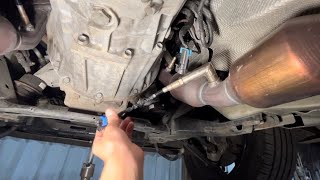
A special oxygen sensor socket is highly recommended. It has a slit on the side to accommodate the sensor's wire. You will also need a ratchet and potentially some penetrating oil to loosen a sensor that is stuck in the exhaust pipe.
Helpful Videos
Technical Specifications
OEM Part Numbers: 12655677
Your Camaro uses heated, 4-wire oxygen sensors. There are upstream (pre-catalyst) and downstream (post-catalyst) sensors for both engine banks. They are not always interchangeable, so ensure you purchase the correct part for the specific location.
We Have This Part in Stock


The information in this article is provided for general reference and educational purposes only. Vehicle specifications, procedures, and part compatibility can vary by production date, trim level, and region. Always consult your vehicle's factory service manual and verify part numbers before purchasing or performing repairs. Safety-critical components such as airbags, seat belts, and braking systems should be installed by a qualified professional.
- Chevrolet Camaro: