

Choosing the Right Spark Plugs for Your 2009-2016 BMW 328i xDrive
Your engine's performance depends on the right spark plug—make sure you choose correctly for your specific model year.
- First, confirm your engine: the 6-cylinder N52 (typically 2009-2013) or the 4-cylinder N20 (typically 2012-2016). They use different plugs.
- For best results and to avoid issues, use OEM-quality brands like NGK or Bosch.
- Always replace spark plugs as a complete set at the recommended interval, which is shorter for the turbocharged N20 engine.
- Using a torque wrench is critical to avoid damaging your engine's aluminum cylinder head.
A Tale of Two Engines: N52 vs. N20

Before buying spark plugs for your 2009-2016 BMW 328i xDrive, you must first identify your engine. This is the most important step. The 2009-2016 year range covers two different generations with two different engines, and they use different spark plugs.
- 2009-2013 (E90/E91/E92 models): These cars are typically equipped with the N52 or N51 3.0L naturally-aspirated inline-6 engine. These engines are known for their smoothness and reliability.
- 2012-2016 (F30 models): These newer models have the N20 2.0L turbocharged inline-4 engine. This engine offers more torque but has known issues like timing chain problems.
Check Your Engine: There is an overlap in model years. For example, a 2012 or 2013 328i xDrive could be a coupe with the N52 engine or a sedan with the N20 engine. Always verify your engine type before purchasing parts.
When to Replace Your Spark Plugs

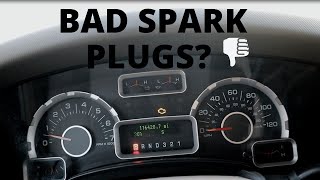
A common sign of failing spark plugs is a rough idle, where the engine shakes or stumbles when you're stopped. You might also notice slower acceleration, worse gas mileage, or the check engine light coming on with misfire codes (P0300-P0306). BMW's recommended replacement intervals vary:
- N52 Engine: Generally recommended every 60,000 to 100,000 miles.
- N20 Engine: The interval is shorter, typically around 60,000 miles, and as low as 20,000-40,000 miles if the engine is modified or tuned.
Choosing the Right Aftermarket Spark Plugs

When it comes to spark plugs for a BMW, brand choice matters. Sticking with the Original Equipment Manufacturer (OEM) brands is the safest bet for performance and reliability.
Brand Quality Tiers
| Tier | Brands | Assessment |
|---|---|---|
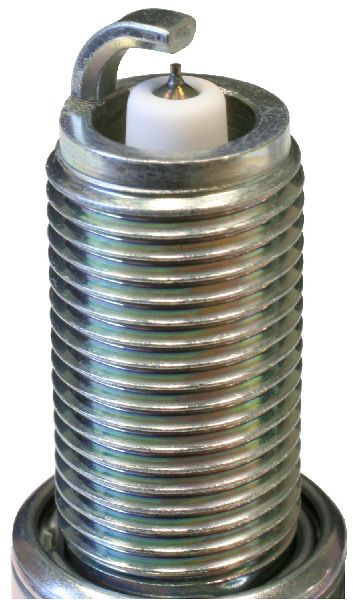
| OEM-Tier | NGK, Bosch | These are the brands BMW used from the factory. An NGK or Bosch plug is often identical to the part you'd get from a BMW dealer, just without the BMW logo and price markup. They are highly recommended by enthusiasts and mechanics for both N52 and N20 engines. |
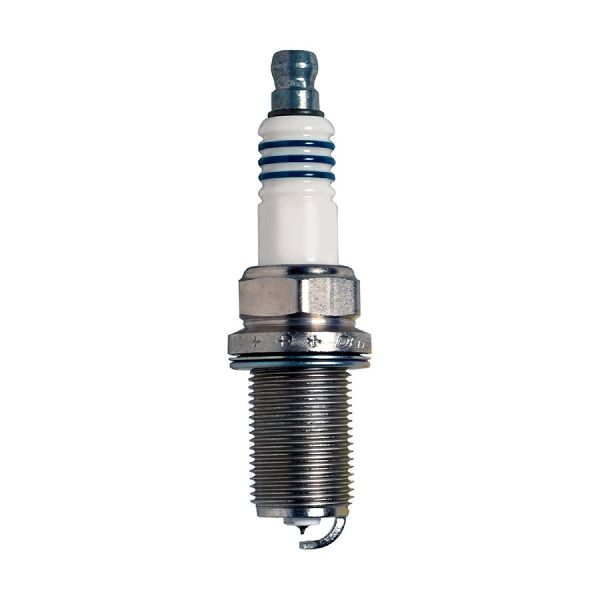
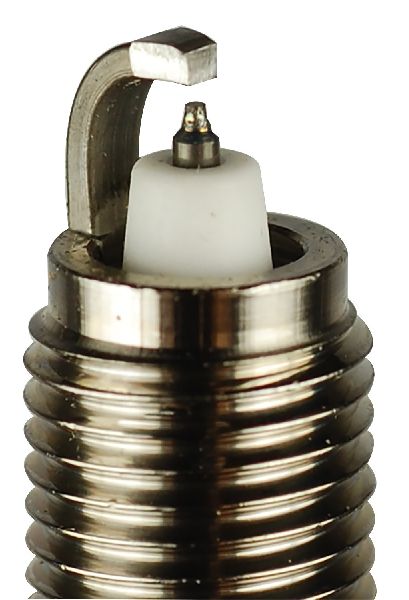
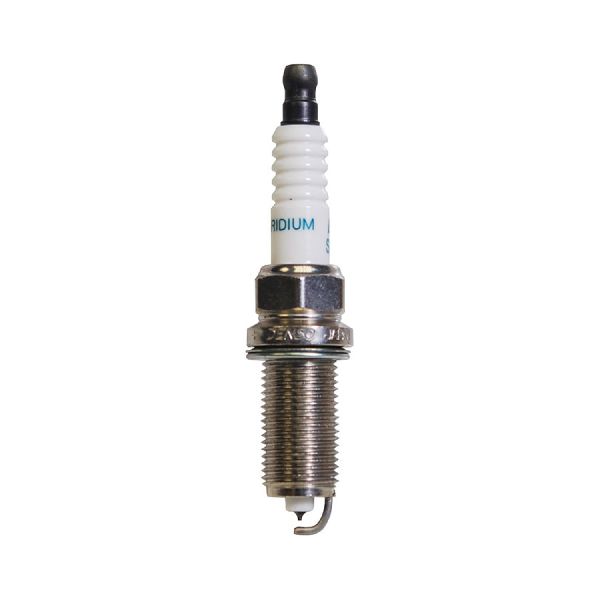
| Reliable Alternative | Denso | Denso is a well-respected Japanese brand known for high-quality ignition components. While not an OEM supplier for these specific models, their Iridium plugs are a solid choice if OEM brands are unavailable. |
| Budget Options | Autolite, Champion | While these brands are well-known, they are generally not recommended for modern BMW engines. The precise engineering of the N52 and N20 engines demands spark plugs that meet very specific heat range and performance characteristics, which budget plugs may not provide, potentially leading to misfires or poor performance. |
Pro-Tip: Installation Best Practices

Replacing spark plugs is a manageable DIY job for many owners. Remember to use a special thin-walled spark plug socket (14mm for N20, 5/8" for N52), a torque wrench to tighten plugs to the correct specification (around 23 Nm for the N20), and a small amount of dielectric grease on the inside of the ignition coil boot. Most modern NGK and Bosch plugs for BMWs come pre-gapped and have a special coating, so applying anti-seize compound is generally not recommended as it can lead to over-torquing. Always replace plugs as a full set (6 for the N52, 4 for the N20).
Frequently Asked Questions (FAQ)
Do I need to change all spark plugs at once?
Yes. Spark plugs wear at a similar rate. Replacing them all at the same time ensures consistent performance across all cylinders and prevents you from having to do the same job again in a few thousand miles when the next old plug fails.
What is a spark plug "gap" and do I need to check it?
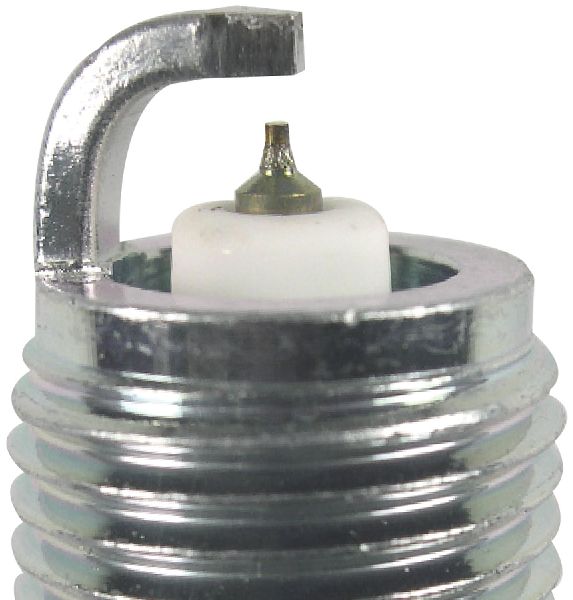
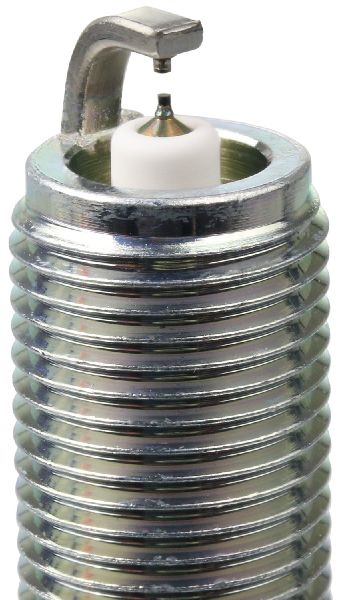
The gap is the small space between the center and ground electrodes. While OEM-quality plugs from NGK and Bosch for your BMW typically come pre-gapped, it is always a good practice to check them with a feeler gauge before installation to ensure they weren't damaged in shipping. The correct gap for a stock N20 engine is around 0.030 inches.
Are there any recalls for spark plugs on my 328i xDrive?
There are no specific recalls for the spark plugs themselves. However, there have been recalls for related components on some models. For instance, a recall (NHTSA #24V608) was issued for a faulty water pump electrical connector that could pose a fire risk on 2012-2016 328i models. Always check the NHTSA website with your VIN for any open recalls.
Can I use cheaper spark plugs in my BMW?
It is strongly advised not to. BMW engines are sensitive to spark plug design and heat range. Using cheaper, incorrect plugs can lead to rough running, misfires, poor fuel economy, and potentially damage to more expensive components like ignition coils or catalytic converters. Sticking with OEM brands like NGK and Bosch is a small investment in your engine's health.
Helpful Videos
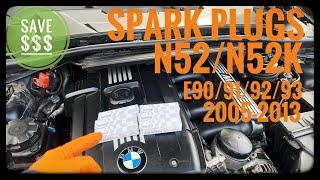
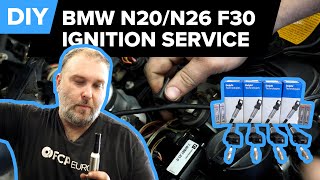
Technical Specifications
OEM Part Numbers: 12122158253 (N52) 12120032137 (N52) 12120037663 (N20) 12120039664 (N20)
N52 Engine: 6 spark plugs required. N20 Engine: 4 spark plugs required. Both engines typically use Iridium or Platinum plugs for longevity and performance.
We Have This Part in Stock

The information in this article is provided for general reference and educational purposes only. Vehicle specifications, procedures, and part compatibility can vary by production date, trim level, and region. Always consult your vehicle's factory service manual and verify part numbers before purchasing or performing repairs. Safety-critical components such as airbags, seat belts, and braking systems should be installed by a qualified professional.
- BMW 328i xDrive: