

A Guide to Replacing the Radiator in Your 2009-2015 Nissan Murano
Keep your Murano's engine cool and prevent overheating with the right aftermarket radiator.
- Radiator failure is common and often happens where the plastic tanks meet the aluminum core, causing leaks.
- Overheating is a critical symptom; do not drive your Murano if it is overheating to avoid engine damage.
- Replacement is complex due to tight space. It may be possible to avoid discharging the A/C system by removing the front bumper and other parts for clearance.
- While replacing the radiator, it is highly recommended to also replace the radiator hoses and thermostat.
Is Your Murano's Radiator Failing?

Radiators don't last forever. On the 2009-2015 Murano, the original radiators use plastic tanks crimped onto an aluminum core. Over time, the plastic can become brittle and crack, causing leaks where the plastic meets the metal. If you notice any of these signs, it's time to inspect your radiator.
- Engine Temperature Gauge Climbing: If the needle on your dash starts heading towards 'H', your engine is running too hot. This is a serious warning.
- Puddles of Coolant: Finding a puddle of sweet-smelling, brightly colored (usually blue, green, or pink) fluid under the front of your Murano is a sure sign of a leak.
- Visible Coolant Leaks or Stains: Look at the radiator itself. You might see white or colored crusty residue on the cooling fins or around the top and bottom tanks, indicating a slow leak.
- Low Coolant Light: If your dashboard warns you that the coolant is low, it's going somewhere it shouldn't. You may need to top it off frequently.
Do Not Ignore Overheating
Driving with an overheating engine can lead to catastrophic damage, including a blown head gasket or a completely seized engine. These repairs can cost thousands of dollars, far more than a new radiator.
Choosing the Right Aftermarket Radiator

You don't need to buy an expensive OEM radiator from the dealer. Aftermarket brands offer a range of quality and price points that can meet or exceed original specifications. However, be aware that not all aftermarket parts are created equal; some budget options may be thinner and less effective than the original.
Brand Quality Tiers
When shopping for your Murano, consider these general brand tiers based on owner feedback and industry reputation:
- OEM-Equivalent & Premium Aftermarket (Denso, Koyorad, CSF): Brands like Denso often make the original parts for Nissan and are considered a top-quality choice. Koyorad and CSF are also well-regarded premium brands known for good construction and performance, sometimes even exceeding OEM standards. While generally reliable, even these brands can have occasional quality control issues, so inspect the part upon arrival.
- Quality Aftermarket (Spectra, Global Parts): Brands like Spectra are known to be reliable, direct-fit replacements that offer a good balance of quality and value. They are a popular choice for daily drivers.
- Economy Options (Onix, One Stop Solutions): These brands provide a functional replacement at the lowest price point. They are a viable option for budget-conscious repairs, but pay close attention to the core thickness and build quality to ensure it's a suitable replacement.
Pro Tip: Check the New Part
Before starting the installation, compare the new radiator to the old one. Make sure the hose connections, mounting points, and core thickness are the same. Also, check that the drain plug and any other fittings are tight from the factory.
Replacement Cost

The cost to replace a radiator can vary significantly based on whether you do it yourself and the parts you choose. Shop labor estimates also vary, partly because some shops insist on evacuating the A/C system, which adds time and cost.
| Item | Estimated Cost |
|---|---|
| New Aftermarket Radiator | $117 - $267 |
| New OEM Radiator | $620 - $1650 |
| Shop Labor | $340 - $600+ |
| Total Professional Replacement (Aftermarket Part) | $460 - $870+ |
| Total Professional Replacement (OEM Part) | $960 - $2250+ |
Frequently Asked Questions (FAQ)

Is replacing the radiator on a 2009-2015 Murano a DIY job?
This is a challenging job for a beginner. The space is very tight, and getting the old radiator out requires removing several other components. Experienced DIYers can do it in 3-5 hours, but it can be frustrating. If you are not comfortable with complex repairs, it's best to leave this to a professional.
Do I have to remove the front bumper or discharge the A/C?
There is conflicting information on this. Some mechanics state you must disconnect the A/C condenser and evacuate the system to get the radiator out. However, many DIY videos and forum posts show it's possible to get enough clearance by removing the front bumper, loosening the headlights, and unbolting the horn bracket to move the condenser out of the way without disconnecting its lines. This avoids the need to have the A/C system professionally recharged afterward.
What else should I replace with the radiator?
It's a smart idea to replace the upper and lower radiator hoses at the same time. They are inexpensive and subject to the same heat and age as the radiator. Also, consider replacing the thermostat and radiator cap, as they are critical to the cooling system's operation.
What type of coolant should I use for my Murano?
Always use a blue, long-life Asian vehicle-specific coolant. Using the wrong type can cause corrosion and damage to your new radiator and engine. Check your owner's manual for the exact Nissan specification and always use distilled water if you are mixing it from a concentrate.
Helpful Videos
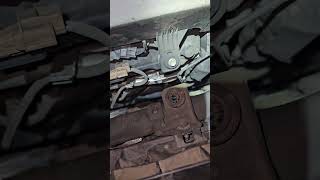
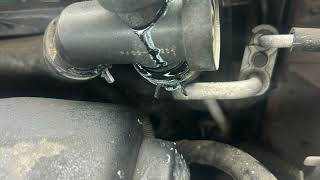

Technical Specifications
OEM Part Numbers: 21460-1AA5A 21460-1AA0A B1D60-1AA0JNW
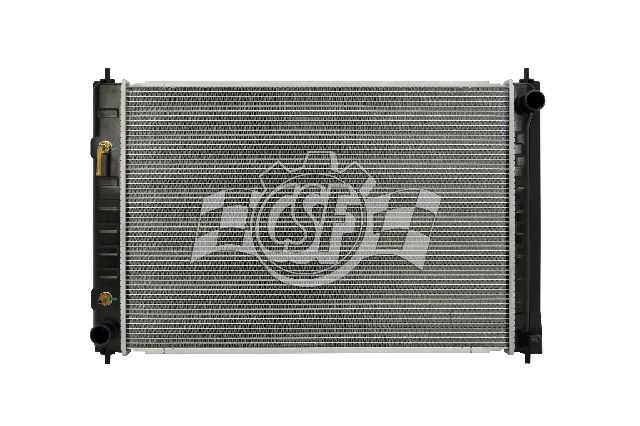
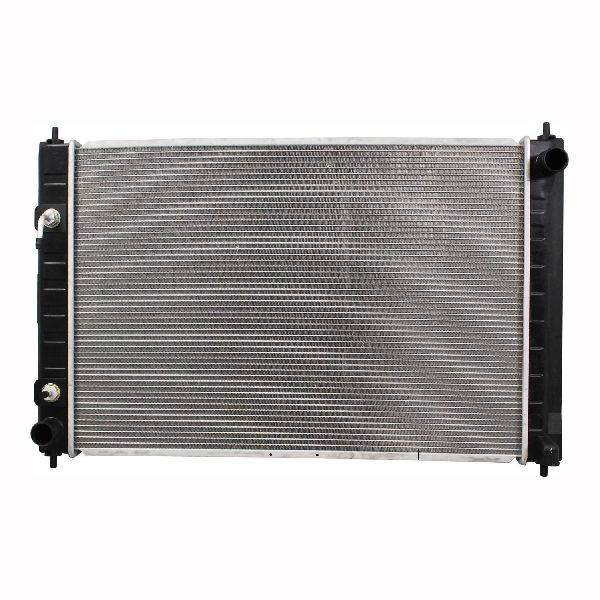
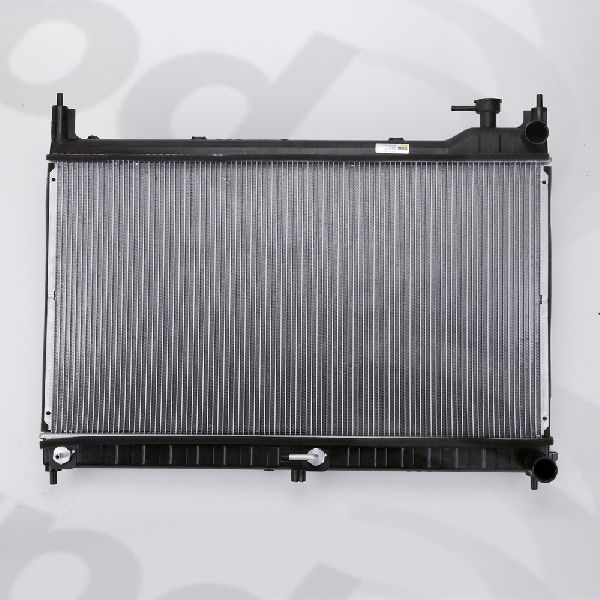
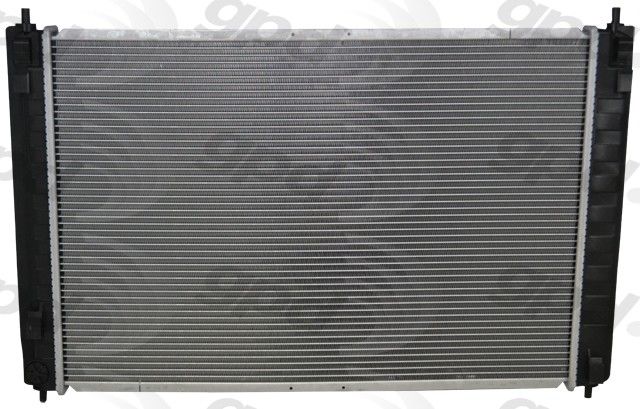
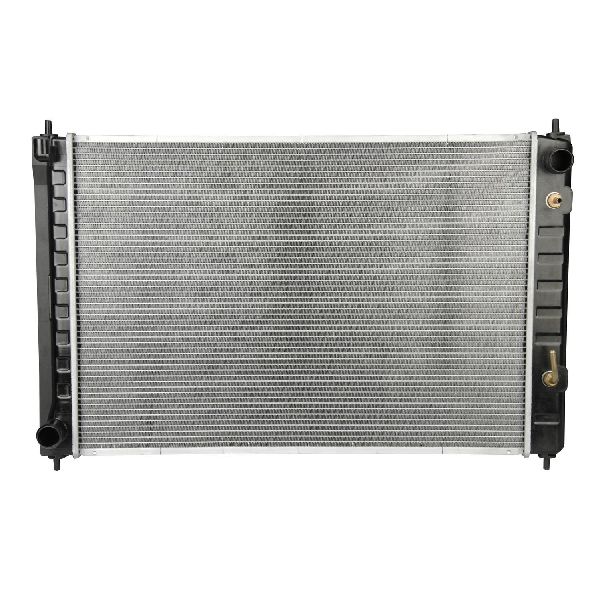
Core Material: Aluminum, Tank Material: Plastic, Core Dimensions: Approx. 26-7/16 in. x 18-1/16 in.
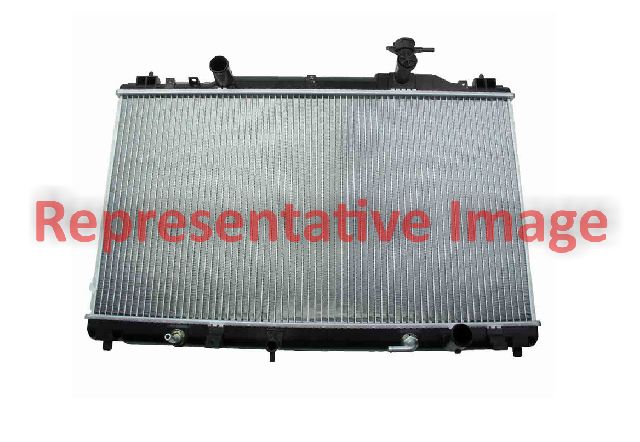
We Have This Part in Stock

The information in this article is provided for general reference and educational purposes only. Vehicle specifications, procedures, and part compatibility can vary by production date, trim level, and region. Always consult your vehicle's factory service manual and verify part numbers before purchasing or performing repairs. Safety-critical components such as airbags, seat belts, and braking systems should be installed by a qualified professional.
- Nissan Murano: