

A Complete Guide to the Oxygen Sensor on Your 2009-2015 Nissan Murano
Understanding how to fix check engine lights and poor fuel economy caused by a failing oxygen sensor in your Murano.
- Your 2009-2015 Murano has four oxygen sensors: two upstream (air-fuel) and two downstream.
- For best results and to avoid repeat repairs, choose aftermarket brands known for OEM quality, such as Denso or NTK.
- A P0420 or P0430 code can be caused by a bad O2 sensor and does not always mean you need a new catalytic converter.
- Owners of 2015 models should check if their vehicle needs the free ECM software update from Nissan's emissions recall campaign.
Is Your Murano's Oxygen Sensor Failing?

A bad oxygen (O2) sensor can make itself known in several ways. You don't have to be a mechanic to spot the signs. Paying attention to your vehicle can help you catch a failing sensor before it causes more expensive problems.
Common Symptoms of a Bad O2 Sensor:
- Check Engine Light: This is the most common sign. A code scanner will often show codes like P0171, P0137, P0420, or P0430.
- Poor Fuel Economy: If you're visiting the gas station more often, a bad upstream sensor might be the cause. It can force the engine to use more fuel than necessary.
- Rough Idle or Poor Performance: Your Murano's V6 engine may run rough, hesitate, or feel sluggish because the engine computer is getting incorrect data from the sensor.
- Rotten Egg Smell: A failing sensor can lead to an overly rich fuel mixture, which can overheat the catalytic converter and produce a sulfur-like smell.
Choosing the Right Aftermarket Oxygen Sensor

When replacing an O2 sensor on your Nissan, the brand you choose matters. While OEM parts from a Nissan dealer are a guaranteed fit, high-quality aftermarket brands can offer similar performance for less money. Based on owner experiences and mechanic recommendations, not all aftermarket sensors are created equal for Japanese vehicles.
Here’s a breakdown of recommended brands:
- Tier 1 (OEM-Quality): Denso & NGK/NTK. These brands are often the original equipment manufacturers for Nissan. They are highly recommended by mechanics and Murano owners for their reliability and compatibility, ensuring your vehicle runs as intended without follow-up issues.
- Tier 2 (Reputable Aftermarket): Bosch & Delphi. Bosch invented the oxygen sensor and is a massive OEM supplier. While their quality is generally high, some forum users prefer to stick with Denso or NTK for Japanese applications to ensure perfect compatibility. Delphi is another reputable brand that produces reliable sensors.
- Budget Tier: Walker Products, DriveWire, Facet. These brands offer a more budget-friendly option. While they can work, they are sometimes associated with a shorter lifespan or inconsistent performance compared to the top-tier brands. Using cheap sensors can sometimes lead to recurring check engine lights.
Pro Tip: Always choose a "direct-fit" sensor. These come with the correct electrical connector for your Murano, eliminating the need for cutting and splicing wires. This makes the installation much easier and more reliable.
Known Issues & Recalls

For the 2015-2016 Nissan Murano, Nissan issued a voluntary emissions recall campaign (Reference: R1620) 🎬 See this walkthrough for replacing a 2015 rear O2 sensor. related to the rear oxygen sensors. This was not for a faulty part, but for an issue where the engine computer's software might not detect a failing rear O2 sensor. The fix is a simple software update performed by a Nissan dealer, which is free of charge. No major recalls for the oxygen sensors themselves were issued for the 2009-2014 model years.
Cost to Replace a Nissan Murano Oxygen Sensor
The cost depends on the sensor's location (upstream or downstream) and the brand you choose. Upstream sensors are typically more complex and expensive than downstream sensors.
| Item | Estimated Cost |
|---|---|
| New Aftermarket O2 Sensor | $45 - $367 |
| New OEM O2 Sensor | $150 - $250+ (per sensor) |
| Shop Labor | $80 - $250 (depending on sensor location) |
Frequently Asked Questions

How many oxygen sensors does my 2009-2015 Murano have?
Your Murano has four oxygen sensors. There are two upstream (air-fuel ratio) sensors located in the exhaust manifolds before the catalytic converters, and two downstream sensors located after the catalytic converters.
What's the difference between Bank 1 and Bank 2?
On your Murano's V6 engine, "Bank 1" refers to the cylinder bank at the rear of the engine, near the firewall. "Bank 2" is the cylinder bank at the front of the vehicle. This is important for diagnosing the correct sensor to replace.
My scanner shows a P0420 code. Is it the O2 sensor or the catalytic converter?
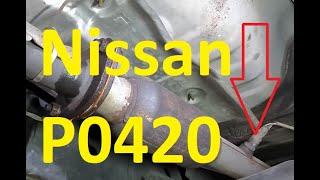
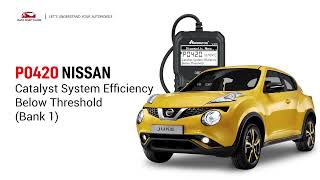
A P0420 (Bank 1) or P0430 (Bank 2) code means "Catalyst Efficiency Below Threshold." While this can mean the catalytic converter is failing, it is often triggered by a faulty downstream oxygen sensor that can no longer accurately report on the converter's performance. It can also be caused by exhaust leaks. It's wise to have the sensors tested before replacing a very expensive catalytic converter.
🎬 Watch: How to diagnose and fix a P0420 error code.Should I replace all four oxygen sensors at once?
It's not always necessary. However, sensors age and wear out at a similar rate. If one has failed due to high mileage (over 80,000 miles), the others may not be far behind. Replacing sensors in pairs (both upstream or both downstream) is a common practice to ensure balanced engine performance.
Helpful Videos

Technical Specifications
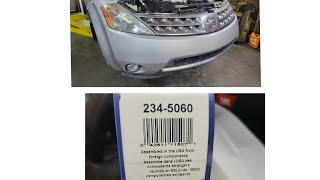
OEM Part Numbers: 226A0-JA10C 22693-EY00B 22690-2A000
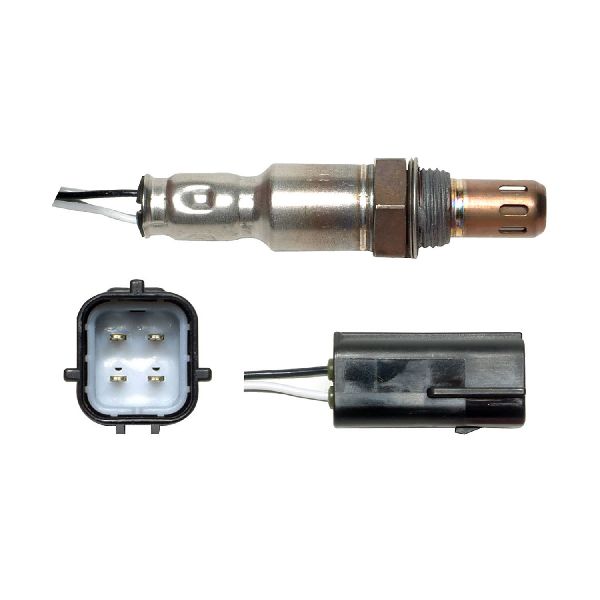
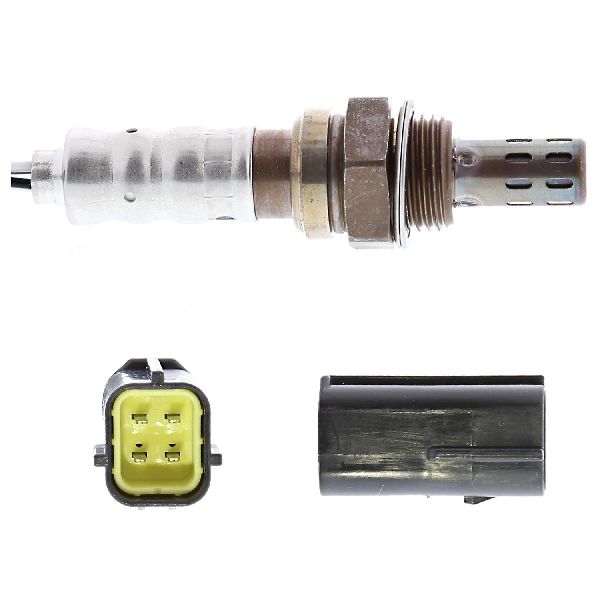
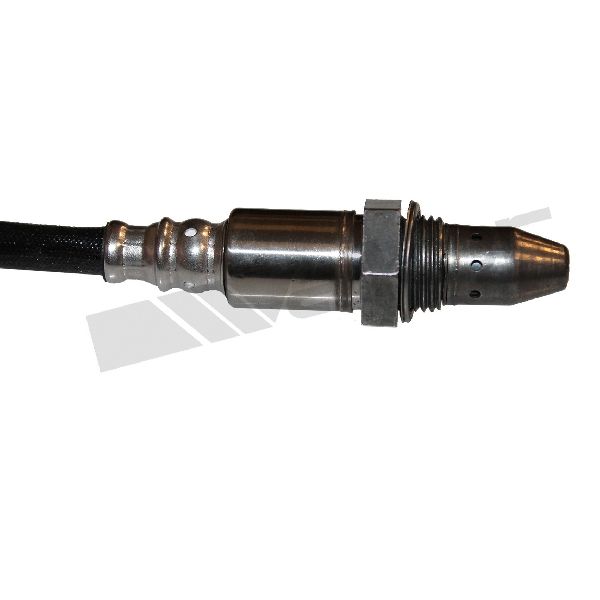
Your vehicle is equipped with four heated, 4-wire oxygen sensors. The upstream sensors are Air-Fuel Ratio sensors, while the downstream sensors are standard switching types. All are direct-fit with vehicle-specific connectors.
We Have This Part in Stock
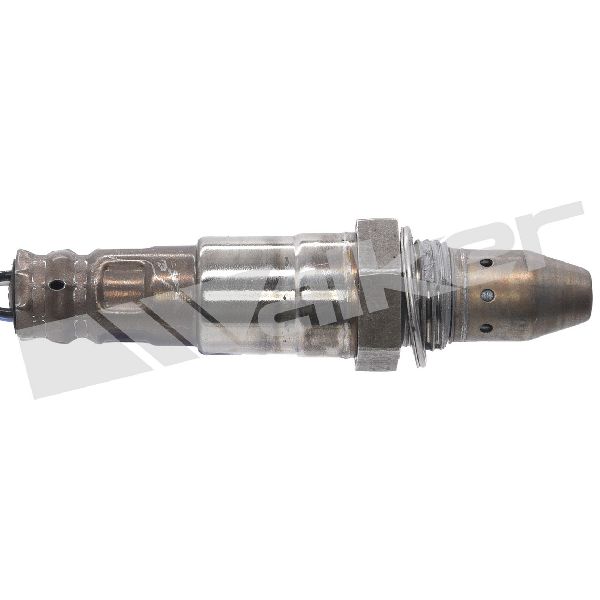
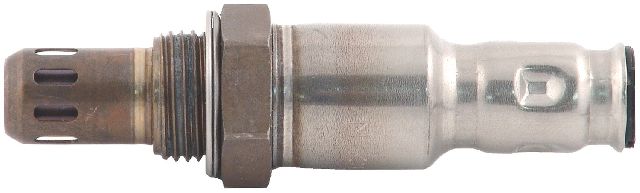
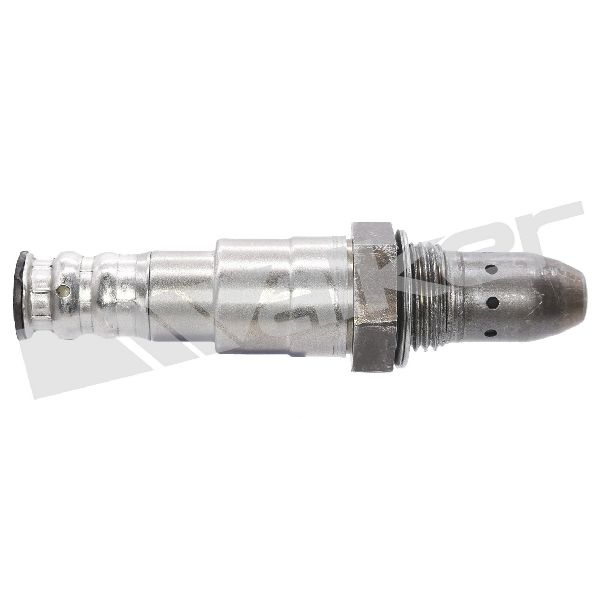

The information in this article is provided for general reference and educational purposes only. Vehicle specifications, procedures, and part compatibility can vary by production date, trim level, and region. Always consult your vehicle's factory service manual and verify part numbers before purchasing or performing repairs. Safety-critical components such as airbags, seat belts, and braking systems should be installed by a qualified professional.
- Nissan Murano: