

Ford F-150 (2009-2015) Automatic Transmission Mount Replacement Guide
Feeling a clunk, shudder, or excessive vibration in your F-150? Your transmission mount may be worn out.
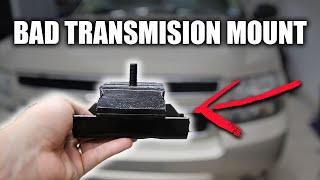
- The most common failure symptoms are clunking noises when shifting, excessive vibration at idle, and shudders on takeoff.
- Verify if your F-150 is 4WD or RWD before ordering, as the mounts are different and not interchangeable.
- While OEM is highest quality, a mid-tier aftermarket brand offers a good balance of price and performance for this part.
- Replacement is a feasible DIY job in about 1.5 hours with a floor jack and basic tools.
Symptoms of a Failing Transmission Mount
A worn-out transmission mount on your F-150 will make its presence known. The rubber insulator wears out from age, heat, and exposure to fluids, causing problems you can feel and hear. Here are the most common signs:
🎬 Watch: 5 signs to look for with a bad mount- Clunking or Banging Noises: A loud "clunk" or "thump" when you shift from park into drive or reverse is a classic symptom. You might also hear this noise during acceleration or when you let off the gas. This is the sound of the transmission moving excessively and hitting other components.
- Excessive Vibrations: If your truck vibrates more than usual, especially at idle while in gear, a bad mount could be the cause. As the rubber fails, it can no longer absorb the normal vibrations from the powertrain, transferring them into the frame and cabin.
- Shudder on Takeoff: Some owners report a shudder or wheel-hop feeling when accelerating from a stop, which was resolved by replacing a failed transmission mount. This can sometimes be mistaken for an internal transmission issue.
- Visible Engine Movement: If you have a helper, you can observe the engine and transmission while they shift from park to drive with the brake pedal firmly pressed. Excessive lurching or movement indicates a worn mount. 🎬 Watch: How to diagnose a bad motor or transmission mount
Don't Mistake Other Drivetrain Issues
While the symptoms above strongly point to a bad mount, be aware that some TSBs and recalls for the 2009-2015 F-150 describe similar feelings. Issues like harsh shifting, shuddering, or sudden downshifts can also be caused by internal transmission problems or software glitches, not the mount itself. For example, a widespread issue involves a sudden downshift to first gear at speed, caused by a faulty output shaft speed sensor, which is unrelated to the mount.
Choosing the Right Aftermarket Mount
When replacing your F-150's transmission mount, you have a choice between OEM (Original Equipment Manufacturer) and various aftermarket brands. For a daily-driven truck, a quality aftermarket part often provides the best value.
OEM vs. Aftermarket Quality:
Generally, OEM Motorcraft mounts are considered the highest quality, but they also come at the highest price. For a component like a transmission mount, many owners find that a good quality aftermarket part performs well for years. Budget-tier brands like Anchor and DEA are widely available and very affordable. Forum discussions show mixed experiences; some users find them to be a perfectly acceptable, low-cost solution, while others report premature failures or fitment issues. Brands like Pioneer are sometimes regarded as being a step up in quality, closer to the OEM design. For most owners, a mid-tier aftermarket mount strikes a good balance between cost and durability.
Cost at a Glance (2009-2015 F-150)
| New Aftermarket Mount | $26.71 - $146.68 |
| New OEM (Motorcraft) Mount | $170 - $250 |
| Shop Labor for Replacement | $150 - $250 |
Pro Tip: Check Your Drivetrain
Before ordering, be absolutely sure of your truck's configuration. The transmission mounts for 4WD and RWD models are different and are not interchangeable. Ordering the wrong part is a common and frustrating mistake.
Frequently Asked Questions
Can I drive my F-150 with a bad transmission mount?
While it is possible to drive for a short time, it is not recommended. A failed mount puts extra stress on your engine mounts, driveshaft U-joints, and exhaust system, which can lead to more expensive repairs down the road.
How difficult is it to replace the transmission mount myself?
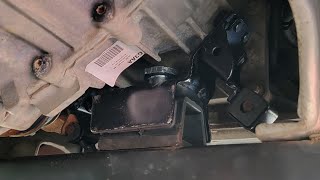
For a DIY mechanic with the right tools, this is a manageable job. It typically takes about 1 to 1.5 hours. You will need a good floor jack to support the transmission, jack stands to safely lift the vehicle, and a basic set of metric sockets (primarily 15mm and 18mm or 21mm depending on the specific year and model). The crossmember that the mount sits on will need to be unbolted and lowered to gain access.
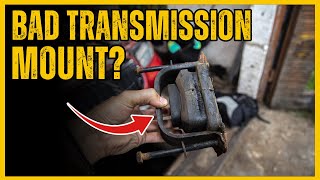
🎬 See this step-by-step transmission mount replacement walkthroughShould I replace my engine mounts at the same time?
If your truck has high mileage, it's a good idea to inspect the engine mounts when you replace the transmission mount. These mounts wear out similarly. If one mount has failed, the others have been subjected to extra stress and may be nearing the end of their life. Replacing them all at once can save you from doing a similar job twice.
What is the difference between a 4WD and RWD mount?
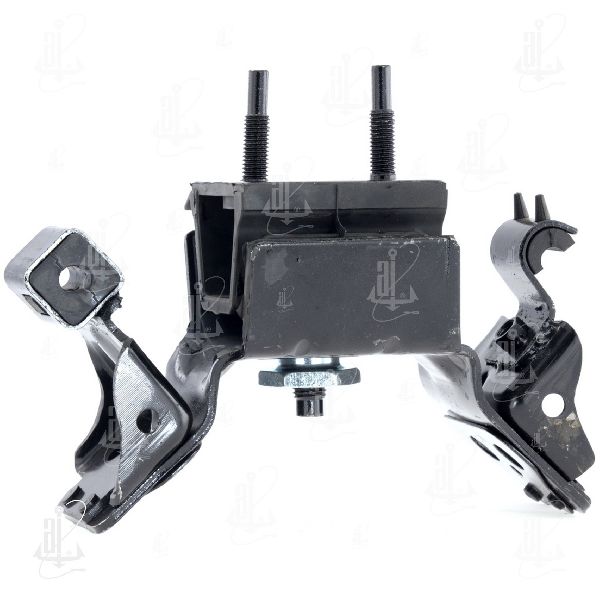
The physical shape and bolt patterns of the mounts are different for four-wheel-drive and rear-wheel-drive F-150s to accommodate the presence or absence of a transfer case. They are not interchangeable, so you must order the correct part for your truck's drivetrain.
Helpful Videos
Technical Specifications
OEM Part Numbers: BL3Z-6068-A BL3Z-6068-F FL3Z-6068-D FL3Z-6068-F JL3Z-6068-F
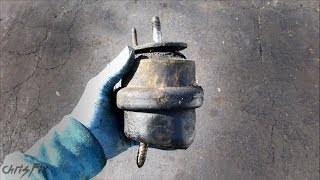
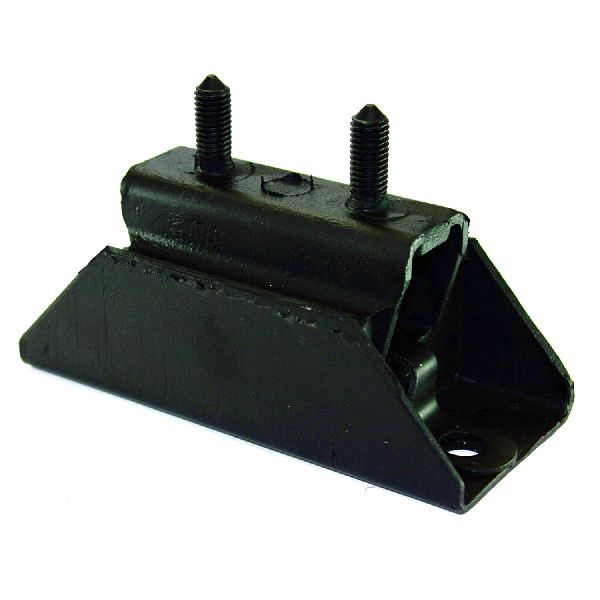
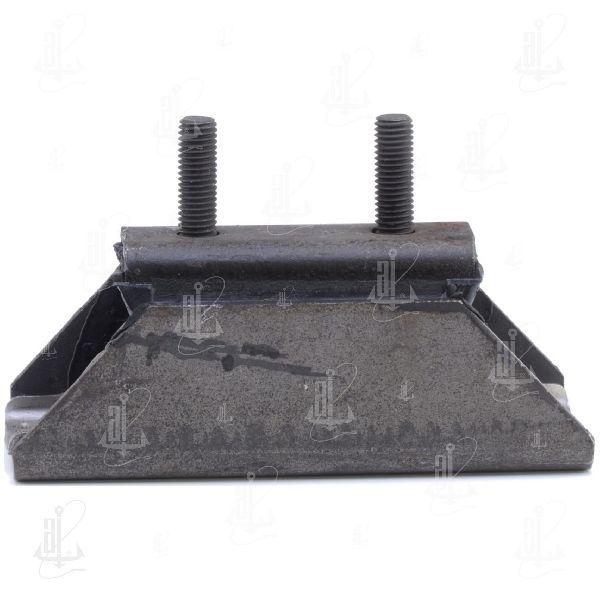
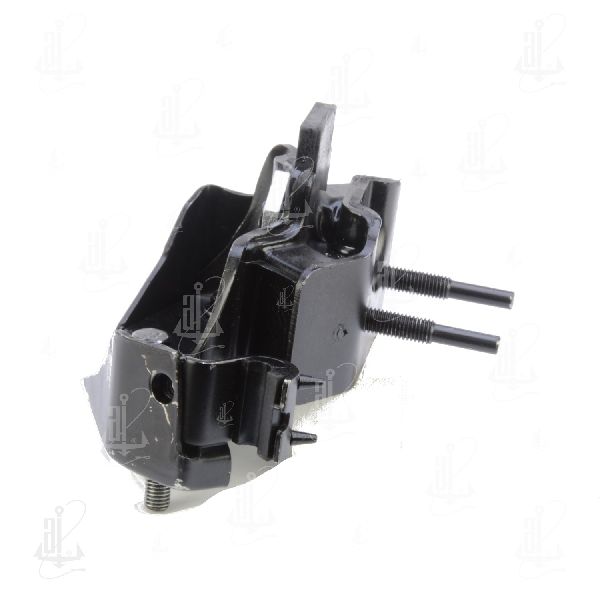
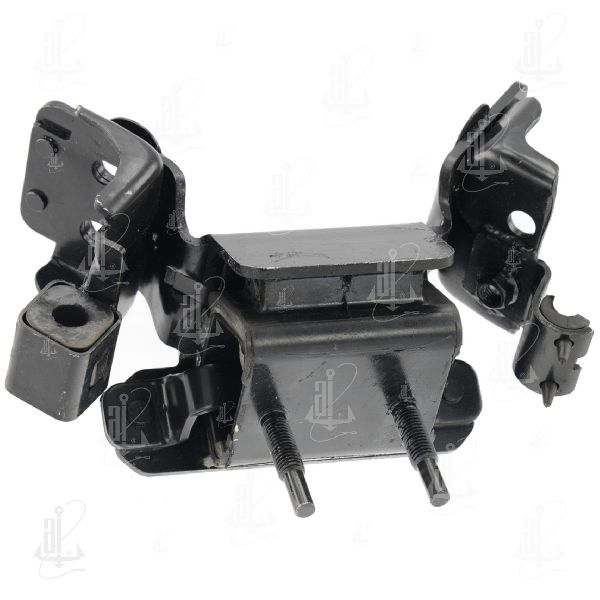
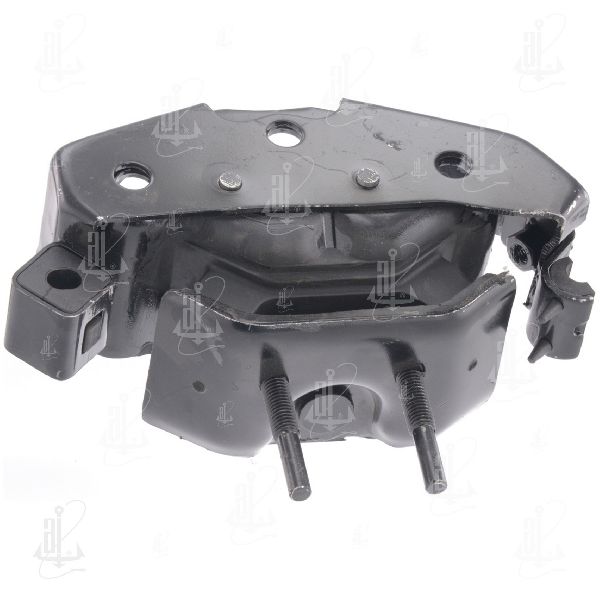
The mount consists of a metal frame (usually steel or aluminum) bonded to a rubber or polyurethane insulator. It bolts to the transmission housing and the vehicle's crossmember. Key differences exist between parts for 4WD and RWD models.
We Have This Part in Stock

The information in this article is provided for general reference and educational purposes only. Vehicle specifications, procedures, and part compatibility can vary by production date, trim level, and region. Always consult your vehicle's factory service manual and verify part numbers before purchasing or performing repairs. Safety-critical components such as airbags, seat belts, and braking systems should be installed by a qualified professional.
- Ford F-150: