

A Home Mechanic's Guide to the Oxygen Sensor on a 2009-2015 Chevrolet Tahoe
Don't let a bad O2 sensor hurt your Tahoe's fuel economy—here's how to choose the right replacement.
- Your 2009-2015 Tahoe has four oxygen sensors; two upstream for fuel control and two downstream for catalyst monitoring.
- For best results, use OEM-equivalent brands like Denso or NGK, as they are often the original manufacturer for the ACDelco part.
- A check engine light with codes like P0131, P015B, or P015D is a strong indicator of a failing oxygen sensor.
- Replacing a bad O2 sensor is a DIY-friendly job that can restore fuel economy and prevent damage to your catalytic converter.
Is Your Tahoe's Oxygen Sensor Failing?

A failing oxygen sensor is a common issue that can sneak up on you. The first sign is almost always the check engine light. While you can continue driving, ignoring it will lead to poor performance, bad fuel economy, and could eventually damage your expensive catalytic converters. If you notice these symptoms, it's time to investigate your O2 sensors.
Symptoms of a Bad Oxygen Sensor

- Check Engine Light: The most common indicator. Codes like P0131, P0135, P015B, or P015D often point directly to a faulty oxygen sensor.
- Worse Fuel Economy: A bad sensor can cause the engine to run rich, meaning it uses more fuel than necessary. This is often the most noticeable symptom for your wallet.
- Rough Idle or Hesitation: You might feel a rougher-than-usual idle, or the engine may hesitate when you accelerate.
- Failed Emissions Test: A bad O2 sensor will almost guarantee a failed emissions test because it can't properly monitor exhaust gases.
Known Issues for This Tahoe Generation
While there are no specific safety recalls for oxygen sensors on the 2009-2015 Tahoe, GM has issued Technical Service Bulletins (TSBs) for related issues. One notable bulletin, 05-06-04-035C, warns that using fuel with high ethanol content (like E85) in a non-Flex Fuel vehicle can trigger oxygen sensor-related trouble codes. Always use the fuel type recommended in your owner's manual. Other GM trucks from this era had emission recalls for downstream O2 sensors cracking due to temperature changes, so it's a known potential failure point for the part itself.
Choosing the Right Aftermarket Oxygen Sensor

When it comes to engine sensors, brand quality matters. For your Tahoe, sticking with brands that manufacture the original parts is the safest bet.
Pro Tip: Upstream vs. Downstream
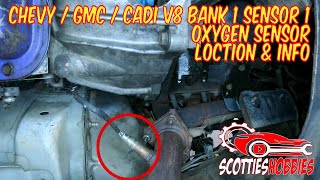
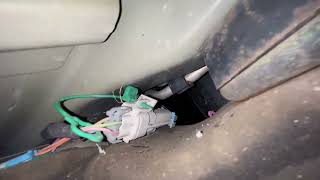
Your Tahoe has two upstream sensors (Bank 1 Sensor 1, Bank 2 Sensor 1) and two downstream sensors (Bank 1 Sensor 2, Bank 2 Sensor 2). Bank 1 is the driver's side and Bank 2 is the passenger's side. The upstream sensors are different from the downstream ones, so make sure you order the correct part for the specific location.
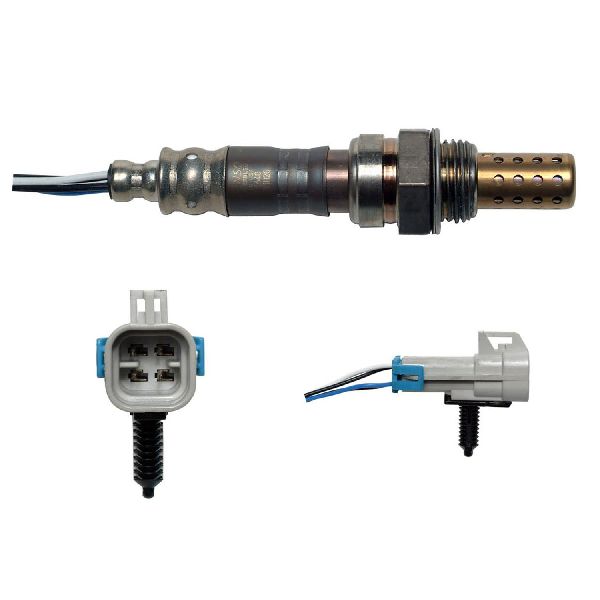
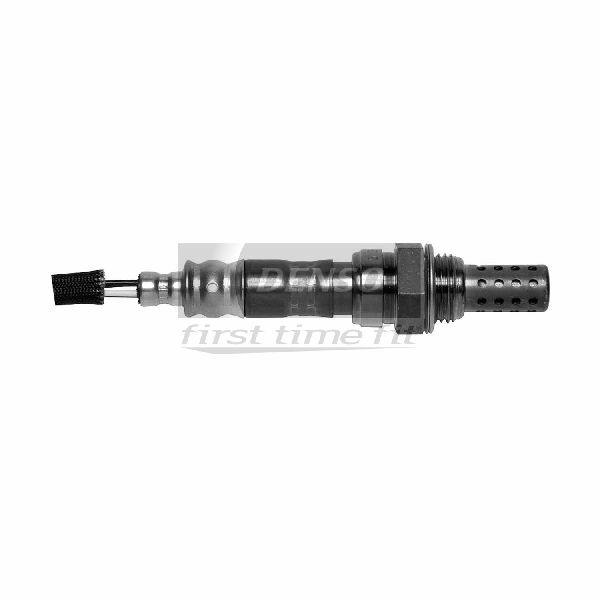
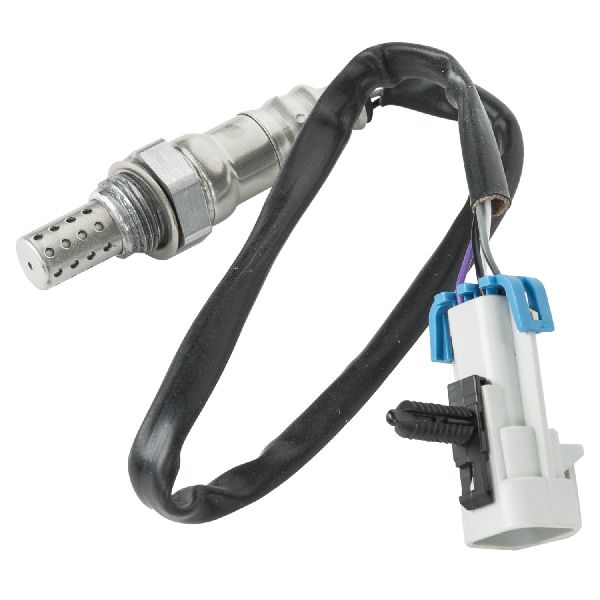
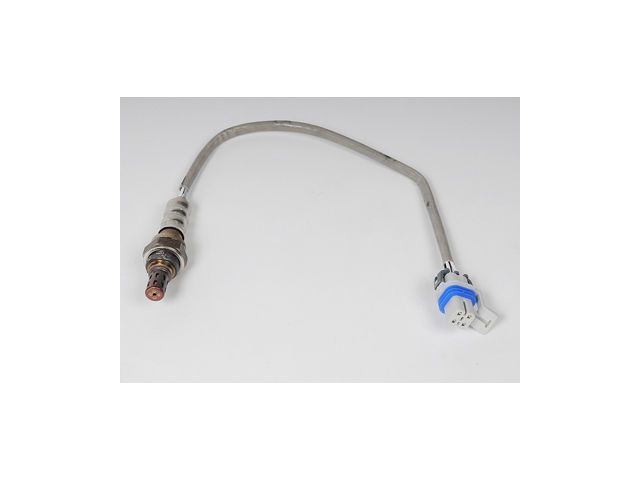
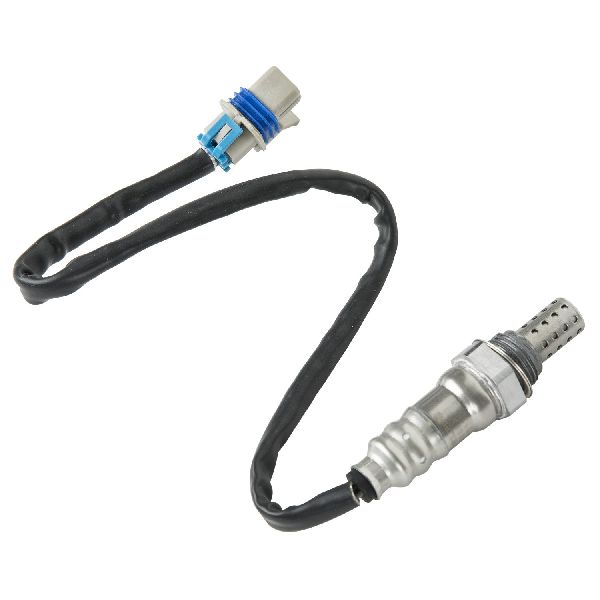
- Premium Brands (OEM Quality): ACDelco, Denso, and NGK (NTK) are the top choices. ACDelco is GM's official parts brand, but forum members and mechanics widely report that Denso and NGK are the actual original equipment manufacturers for GM. Choosing Denso or NGK often gets you the exact same part as the ACDelco one, just in a different box and sometimes for less money.
- Quality Aftermarket Brands: Bosch and Delphi are well-known manufacturers. Bosch is a massive OEM supplier globally, but some GM owners on forums report mixed results, making it a slightly less certain choice than Denso or NGK for this specific vehicle. Delphi was once part of GM, but its quality is less consistent since being sold.
- Economy Brands: Walker Products and DriveWire offer budget-friendly options. These can be a good choice if cost is your main concern, but they may not offer the same precise fit or long-term durability as the premium brands.
How Much Does an Oxygen Sensor Replacement Cost?
The cost depends on whether you do it yourself or take it to a shop. With four sensors on the vehicle, costs can add up if you replace them all.
| Part/Service | Estimated Cost (Per Sensor) |
|---|---|
| New Aftermarket Part | $40 - $195 |
| New OEM Part (ACDelco) | $150 - $350 |
| Shop Labor | $50 - $100 |
| Total Professional Replacement | $170 - $450 |
A Note on Universal Sensors
You may find "universal" oxygen sensors that require you to splice wires. While cheaper, these are not recommended. The factory-style connector on a direct-fit sensor ensures a reliable connection and is worth the extra cost to avoid future electrical problems.
Frequently Asked Questions

How many oxygen sensors does a 2009-2015 Tahoe have?
All V8 models from this generation have four oxygen sensors: two upstream (before the catalytic converters) and two downstream (after the catalytic converters).
Can I replace just one oxygen sensor?
Yes. However, if one sensor has failed due to age and high mileage (over 100,000 miles), the others are likely near the end of their service life. For best results, it's often recommended to replace them in pairs (both upstream or both downstream).
Is replacing an oxygen sensor a DIY job?
Yes, for most home mechanics with the right tools, this is a manageable job. The main challenge can be the sensors being seized in the exhaust pipe due to rust and heat. Using a special oxygen sensor socket and some penetrating oil can make the job much easier.
What tools do I need to replace a Tahoe oxygen sensor?
You will need a specific tool to get the job done right. An oxygen sensor socket, which has a slot for the wire to pass through, is the best option. In some cases, you may be able to use a 7/8-inch (22mm) wrench, but access can be tight.
Helpful Videos
Technical Specifications
OEM Part Numbers: 12666673 12637297 12612571 234-4337 234-4668
Vehicle requires four heated oxygen sensors. Two upstream (pre-catalytic converter) sensors for air/fuel ratio monitoring and two downstream (post-catalytic converter) sensors for catalyst efficiency monitoring. Bank 1 is the driver side; Bank 2 is the passenger side.
We Have This Part in Stock


The information in this article is provided for general reference and educational purposes only. Vehicle specifications, procedures, and part compatibility can vary by production date, trim level, and region. Always consult your vehicle's factory service manual and verify part numbers before purchasing or performing repairs. Safety-critical components such as airbags, seat belts, and braking systems should be installed by a qualified professional.
- Chevrolet Tahoe: