

Toyota Corolla Oxygen Sensor Guide (2009-2014): Choosing the Right Replacement
Fix your Check Engine Light and poor fuel economy by understanding your Corolla's oxygen sensors.
- Your 2009-2014 Corolla has two O2 sensors; use a scanner to identify which one is faulty before purchasing a replacement.
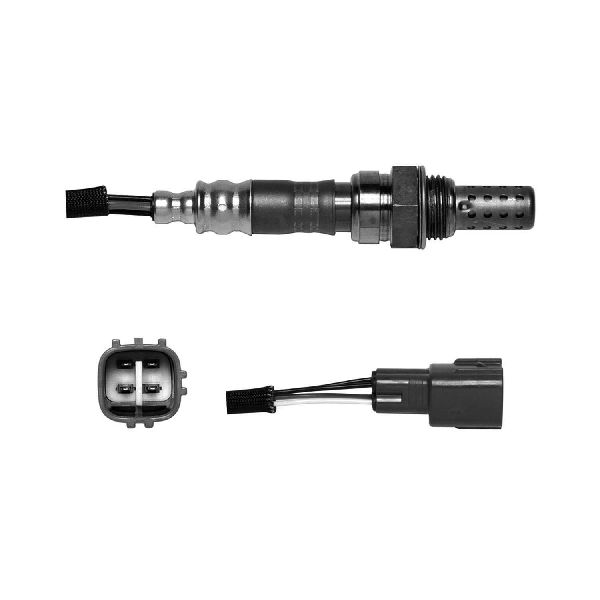
- Denso is the original equipment manufacturer (OEM) for Toyota and is the most recommended brand for a trouble-free replacement.
- Always buy a 'direct-fit' sensor with the correct plug to avoid cutting and splicing wires.
- Replacing the sensor yourself is possible but requires a special oxygen sensor socket.
Is Your Corolla's Oxygen Sensor Failing?

A bad oxygen (O2) sensor can cause several noticeable problems. The most common sign is the Check Engine Light illuminating on your dashboard. You might also notice your fuel economy getting worse, the engine idling roughly, or a hesitation when you accelerate. In some cases, a failing sensor can lead to a rotten egg smell from the exhaust or cause your car to fail an emissions test. Ignoring a bad O2 sensor for too long can eventually damage your expensive catalytic converter.
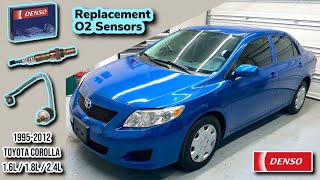
🎬 Watch: A breakdown of common bad oxygen sensor symptoms.Choosing the Right Aftermarket Oxygen Sensor

When replacing an O2 sensor on your Corolla, you have several brands to choose from. Quality can vary, and for a critical part like this, it pays to choose wisely. It is widely recognized that Denso is the Original Equipment Manufacturer (OEM) for Toyota, meaning they made the original part that came with your car.
Aftermarket Brand Quality Tiers
| Tier | Brands | Assessment |
|---|---|---|
| OEM / Top Tier | Denso, NGK/NTK | Denso is the original part supplier for your Toyota. Choosing a Denso aftermarket sensor is the safest bet for a perfect fit and long-term reliability without triggering false check engine codes. NGK (also known as NTK for sensors) is another top-tier Japanese manufacturer with a strong reputation for quality that often rivals OEM. |
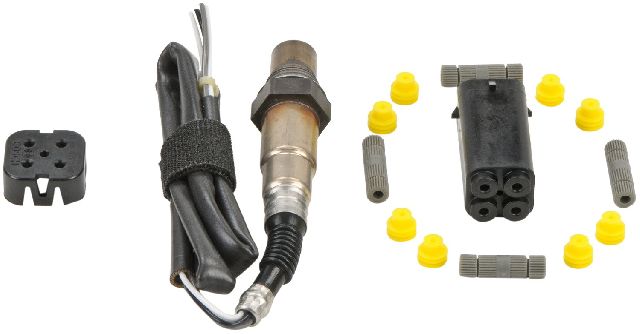
| Reputable Aftermarket | Bosch, Delphi | Bosch is a massive German company that actually invented the automotive oxygen sensor. They are a reliable choice and a leading aftermarket supplier, though some Toyota purists prefer to stick with the Japanese OEM brand. Delphi also produces quality components that meet or exceed OEM specifications. |
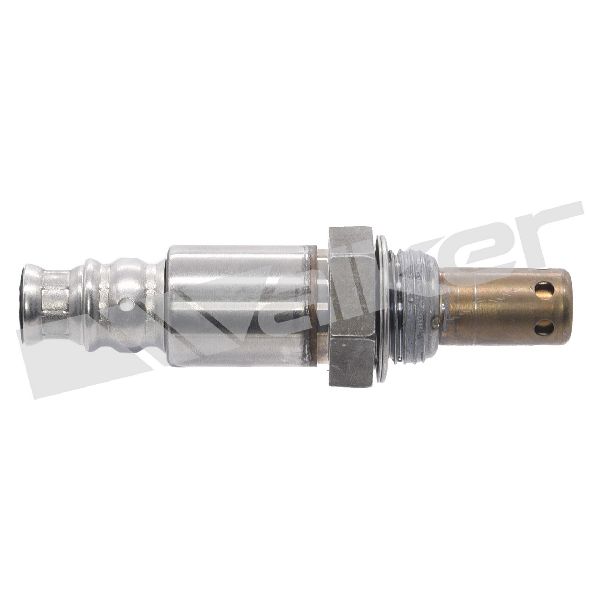
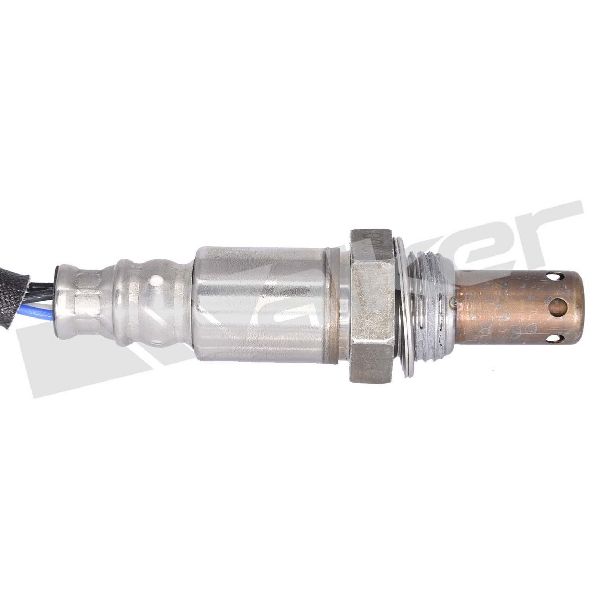
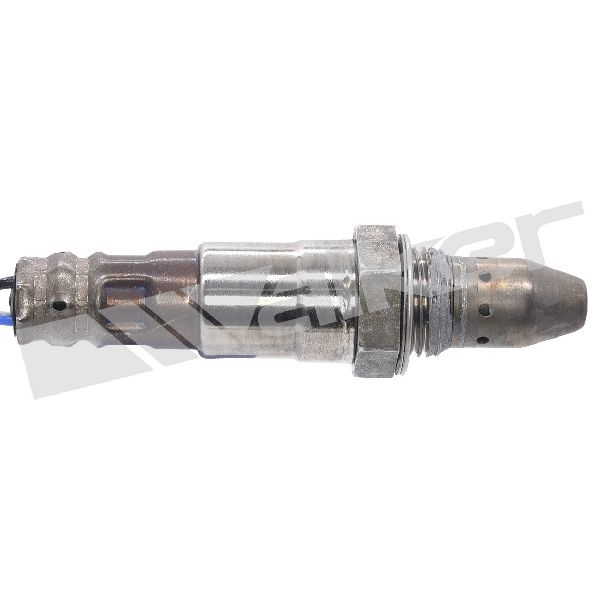
| Economy Tier | Walker Products, DriveWire | These brands offer a more budget-friendly option. While they can work, they may not have the same longevity or precise calibration as the top-tier brands. For a critical sensor, it's often worth spending more for a part you won't have to worry about replacing again soon. |
Pro Tip: Always choose a "direct-fit" sensor. These come with the correct wire length and factory-style connector for your Corolla, making installation much easier. Avoid "universal" sensors, which require you to cut and splice wires and can be a common source of failure.
How Much Does Replacement Cost?

The cost to replace an oxygen sensor in a 2009-2014 Corolla can vary. The parts themselves have a wide price range, and labor costs depend on your location and which sensor is being replaced. The upstream sensor is generally easier to access than the downstream one.
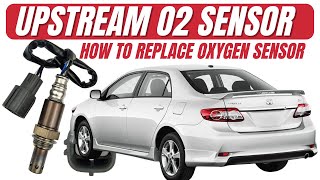
🎬 See this walkthrough for replacing the upstream oxygen sensor.Estimated Cost Breakdown
| Item | Estimated Cost |
|---|---|
| New Aftermarket Oxygen Sensor | $40 - $308 |
| New OEM Oxygen Sensor (Toyota/Denso) | $135 - $200+ |
| Shop Labor | $100 - $200 |
Frequently Asked Questions

How many oxygen sensors does my 2009-2014 Corolla have?
Your Corolla has two oxygen sensors: one upstream (before the catalytic converter) and one downstream (after the catalytic converter). The upstream sensor is also called an Air/Fuel Ratio sensor.
Which sensor do I need to replace?
You must use an OBD2 scanner to read the specific trouble code (e.g., P0136, P0141). The code will tell you which sensor (Bank 1 Sensor 1 for upstream, Bank 1 Sensor 2 for downstream) has failed. Replacing the wrong sensor will not fix the problem.
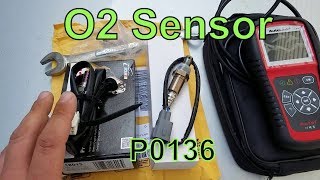
🎬 Watch: How to replace a sensor for code P0136.What is the difference between an upstream and downstream sensor?
The upstream (Sensor 1) measures exhaust gas directly from the engine to control the air-fuel mixture. The downstream (Sensor 2) measures the exhaust after it has passed through the catalytic converter to ensure the converter is working correctly. They are not interchangeable.
Can I replace an oxygen sensor myself?
Yes, this is a DIY-feasible job for many people. However, it requires a special tool called an oxygen sensor socket to remove and install the sensor without damaging the wires. The old sensor can also be very tight and may require penetrating oil to loosen.
Why is the Denso sensor often more expensive?
Denso is the original equipment supplier for Toyota. You are paying for the exact same quality, fit, and performance as the part your car was built with, which guarantees compatibility and longevity.
Helpful Videos
Technical Specifications
OEM Part Numbers: 89467-02060 (Upstream, 1.8L) 89467-02040 (Upstream, 2.4L) 89465-02330 (Downstream, 1.8L, US Built) 89465-12840 (Downstream, 1.8L, Japan Built) 89465-02340 (Downstream, 2.4L)
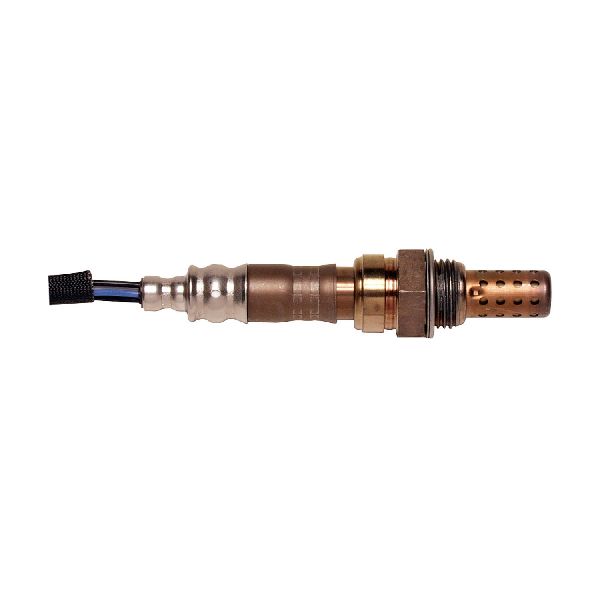
Your Corolla uses a 4-wire, heated oxygen sensor. The upstream sensor is a wideband Air/Fuel Ratio type, while the downstream is a standard narrow-band type. Ensure the replacement has the correct connector and wire length for your specific engine (1.8L or 2.4L) and sensor position.
We Have This Part in Stock

The information in this article is provided for general reference and educational purposes only. Vehicle specifications, procedures, and part compatibility can vary by production date, trim level, and region. Always consult your vehicle's factory service manual and verify part numbers before purchasing or performing repairs. Safety-critical components such as airbags, seat belts, and braking systems should be installed by a qualified professional.
- Toyota Corolla: