

A Complete Guide to Spark Plugs for the 2009-2014 Mazda 3 Sport
Keep your Mazda 3's engine running smoothly by learning how to choose the right spark plugs and spot signs of failure.
- Stick with OEM-quality Iridium spark plugs from NGK or Denso for the best performance and longevity.
- The recommended replacement interval is 75,000 miles for all 2009-2014 Mazda 3 engines.
- If you have a Skyactiv engine (2012+), you MUST use a 14mm thin-wall spark plug socket for the job.
- Always check the spark plug gap before installation and use a torque wrench to avoid damaging the engine's aluminum head.
Is Your Mazda 3 Telling You It Needs New Spark Plugs?

Worn-out spark plugs can cause noticeable problems with your car. If you experience any of these issues, it might be time for a replacement. Ignoring them can lead to worse fuel economy and potential damage to other engine parts like the catalytic converter.
Key Symptoms of Failing Spark Plugs:
- Rough Idle: Your engine sounds shaky or uneven when you're stopped, and you might feel vibrations in the car.
- Poor Acceleration: The car feels slow or sluggish when you press the gas pedal.
- Engine Misfires: You might hear a sputtering or popping sound from the engine. It can feel like the engine is hesitating or stumbling.
- Worse Gas Mileage: You find yourself filling up the gas tank more often than usual because the engine isn't burning fuel efficiently.
- Check Engine Light: A misfiring spark plug is a common reason for the check engine light to turn on. The code is often P0300 (random misfire) or a cylinder-specific code like P0301, P0302, etc.
A Note on Engine Versions (It's Important!)
The 2009-2014 Mazda 3 Sport used different engines. It's critical to know which one you have before buying parts. The main types are the 2.0L and 2.5L MZR engines (found in most 2009-2013 models) and the newer 2.0L Skyactiv-G engine (introduced around 2012). Skyactiv engines use different spark plugs and tools than the standard MZR engines. Always confirm your engine type before purchasing.
Choosing the Right Aftermarket Spark Plugs

You don't need to buy spark plugs from a Mazda dealer to get great quality. The original plugs in your car were likely made by NGK or Denso. These brands are excellent choices in the aftermarket.
Brand Quality Tiers
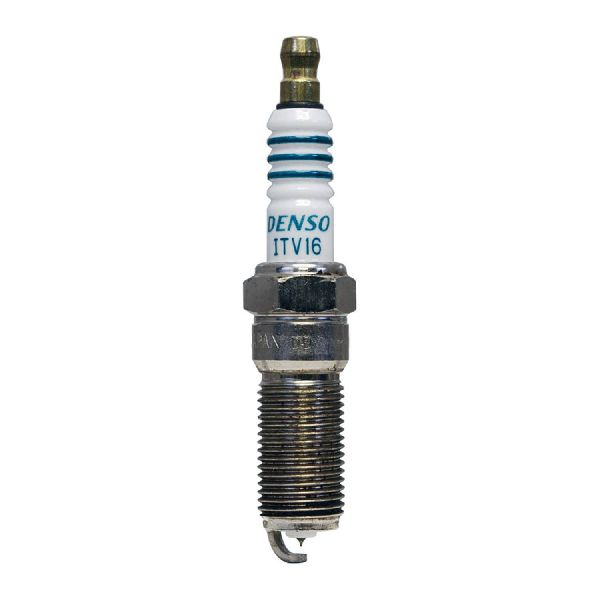
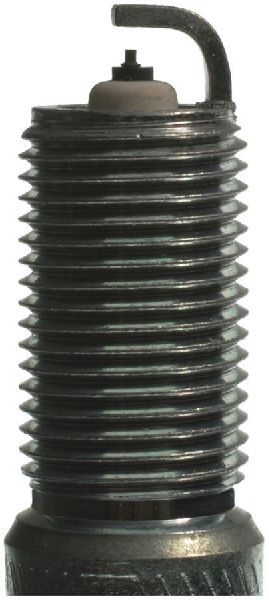
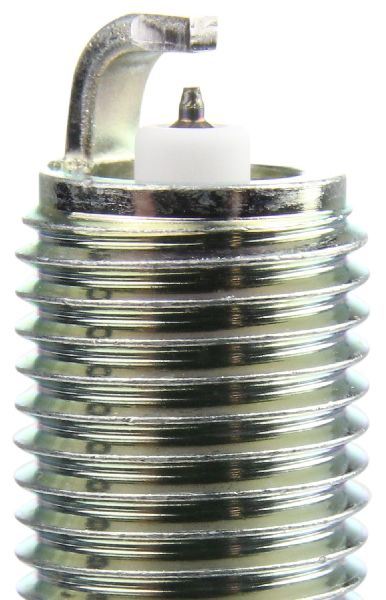
- Top Tier (OEM Quality): NGK and Denso are the most recommended brands for a Mazda 3. They are known for being original equipment suppliers to many Japanese automakers. Choosing their Iridium plugs, like the NGK Laser Iridium or Denso Iridium, is the safest bet for performance and long life that matches or exceeds the original parts.
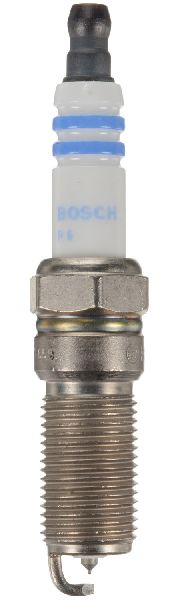
- Reliable Alternatives: Brands like Bosch and Autolite also make high-quality Iridium and Platinum spark plugs that are compatible with the Mazda 3. They can be a good value, but most owners and mechanics stick with NGK or Denso for best results.
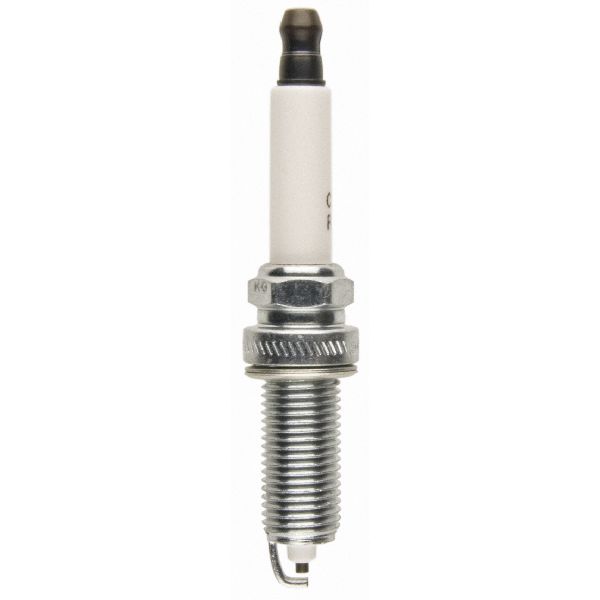
- Budget-Friendly: Champion and other basic copper or platinum plugs are available and are the most affordable. However, they will not last as long as Iridium plugs and may not provide the same level of performance, especially in the high-compression Skyactiv engine.
Known Issues, Recalls, and Service Bulletins

There are no active recalls or common Technical Service Bulletins (TSBs) specifically for spark plug failure on the 2009-2014 Mazda 3. However, a common DIY mistake is using the wrong tools or technique.
- Wrong Socket Size: The Skyactiv engine requires a specific 14mm thin-wall spark plug socket. This is different from the more common 5/8" or 9/16" sockets used on many other cars, including the non-Skyactiv Mazda 3 engines. Using the wrong socket can damage the plug or get stuck.
- Over-tightening: The engine block is made of aluminum. Over-tightening a spark plug can strip the threads in the engine, which is a very difficult and expensive repair. It is best to use a torque wrench set to the manufacturer's specification (around 15 ft-lbs for some models).
Cost of Replacing Spark Plugs
| Category | Estimated Cost |
|---|---|
| DIY Parts Cost (Set of 4) | $25 - $100 |
| Shop Parts & Labor Cost | $175 - $300 |
Costs are estimates and can vary based on your location, the specific parts you choose, and local labor rates.
Frequently Asked Questions

How often should I replace the spark plugs on my Mazda 3?
Mazda's official maintenance schedule recommends replacing the spark plugs every 75,000 miles for all engines in this generation. If you experience symptoms of failure, you should inspect them sooner.
What's the difference between Iridium, Platinum, and Copper plugs?
Iridium and Platinum are precious metals that are very hard and resistant to wear. Plugs made with these materials last much longer (75,000+ miles) and provide a consistent spark, which is ideal for modern engines like the ones in your Mazda 3. Copper plugs are cheaper but wear out much faster and are generally not recommended for this vehicle.
Do I need to check the gap on new spark plugs?
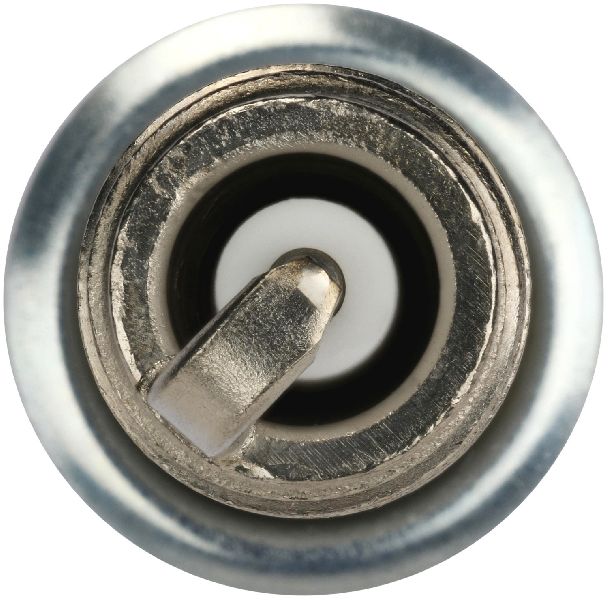
Most high-quality plugs from brands like NGK and Denso come pre-gapped. However, it's always a good idea to check the gap with a feeler gauge before installation to make sure it wasn't changed during shipping. The correct gap for Skyactiv engines is around 0.044 inches.
Should I replace my ignition coils at the same time as my spark plugs?
It is not usually necessary to replace the ignition coils (also called coil packs) with the spark plugs unless one has failed. A failing coil can cause a misfire in a single cylinder. If you are diagnosing a misfire and a new spark plug doesn't fix it, the coil is the next logical part to test and replace.
Helpful Videos
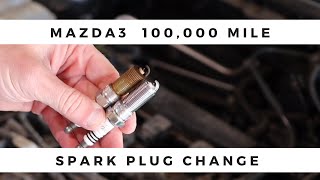
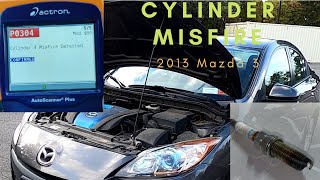
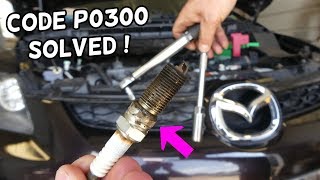
Technical Specifications
OEM Part Numbers: PE5R-18-110 LFJD-18-110 L3Y3-18-110
Engine Type: 2.0L MZR, 2.5L MZR, 2.0L Skyactiv-G Plug Material: Iridium (recommended), Platinum Socket Size (Skyactiv): 14mm Socket Size (MZR): 9/16" or 5/8" (varies) Gap (Skyactiv): ~0.044 in (1.1mm) Gap (MZR 2.0L): ~0.052 in (1.3mm)
We Have This Part in Stock

The information in this article is provided for general reference and educational purposes only. Vehicle specifications, procedures, and part compatibility can vary by production date, trim level, and region. Always consult your vehicle's factory service manual and verify part numbers before purchasing or performing repairs. Safety-critical components such as airbags, seat belts, and braking systems should be installed by a qualified professional.
- Mazda 3 Sport: