

Solving Vibration and Noise: A Guide to 2009-2014 Mazda 3 Sport Engine Mounts
If your Mazda 3 is vibrating or making clunking sounds, a failed engine mount is the most likely cause.
- The passenger-side hydraulic engine mount is a very common failure point on the 2009-2014 Mazda 3.
- Symptoms include intense vibration at idle and clunking noises when accelerating.
- For best results, use an OEM or premium fluid-filled mount for the passenger side to avoid vibration issues.
- Replacing all three mounts at once is recommended but not required; the job is DIY-feasible in about two hours.
The Biggest Problem: The Passenger-Side Mount

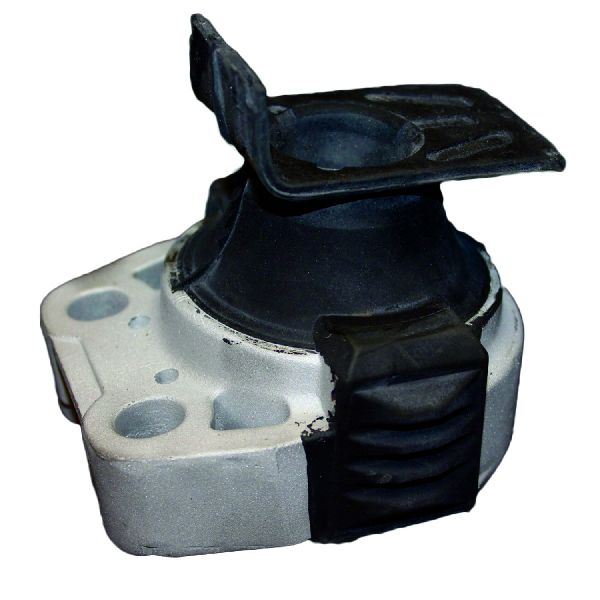
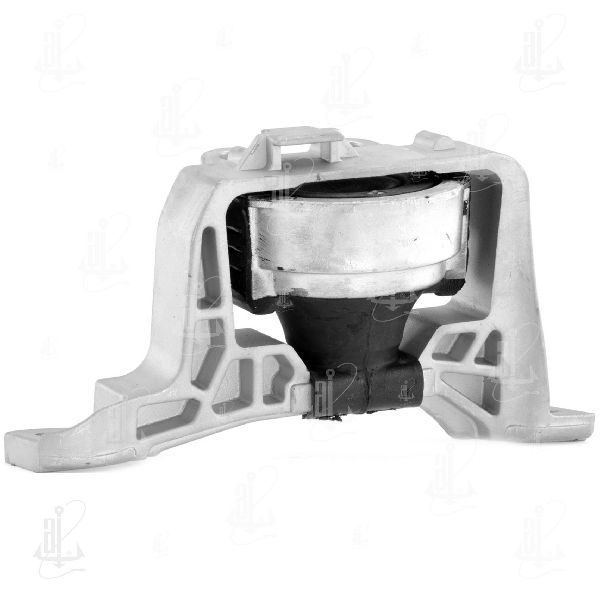
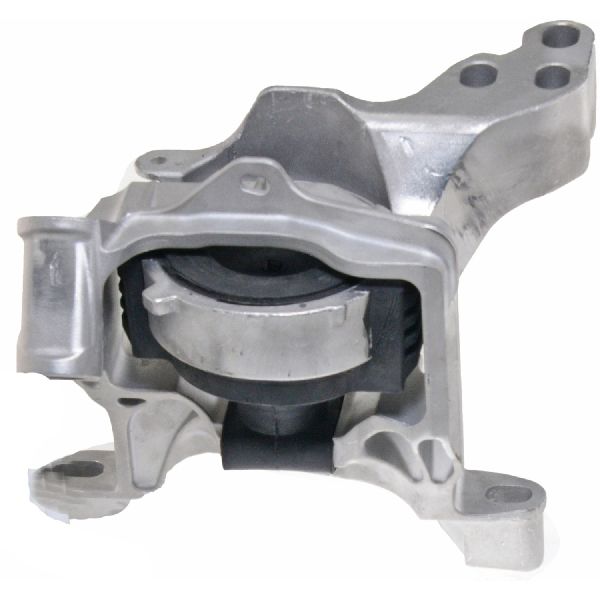
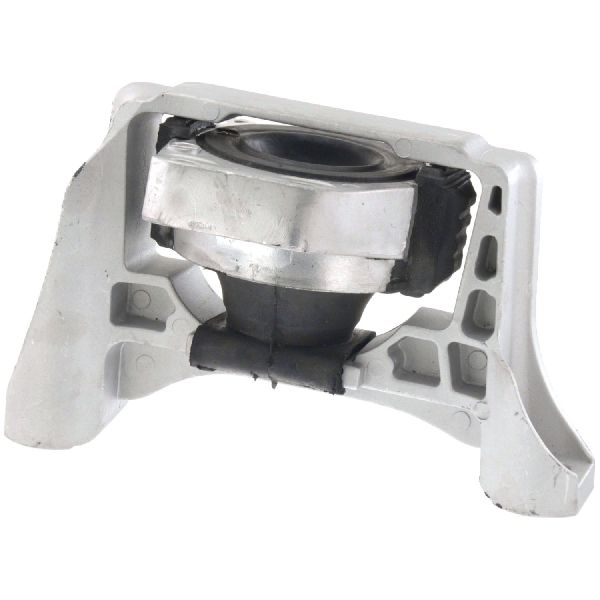
If you own a second-generation Mazda 3, the passenger-side engine mount (also called the No. 3 mount) is its most notorious weak point. This is a fluid-filled hydraulic mount designed for smoothness. Over time, the rubber housing develops cracks, the hydraulic fluid leaks out, and the mount collapses. This failure is so common that most owners will face it at some point. Once the fluid is gone, you are left with metal-on-metal contact, which transfers every vibration from the engine directly into the car's frame and into your cabin.
Symptoms of a Bad Engine Mount

A failing engine mount makes itself known. Here are the most common signs:
- Vibration at Idle: The most obvious symptom. You'll feel a strong vibration in the steering wheel, seats, and dashboard, especially when the car is in Drive or Reverse while stopped.
- Loud Clunking or Banging: You may hear a loud clunk when you start the engine, accelerate hard, or shift gears. This is the sound of the engine moving around and hitting other components.
- Visible Engine Movement: If you have a helper, you can watch the engine while they briefly rev it in Drive (with the brake held firmly). If the engine rocks or jumps excessively, a mount has failed.
- Leaking Fluid: You may see dark, oily residue on the frame rail directly underneath the passenger-side mount. This is the hydraulic fluid that has leaked out.
Known Issue: Squeaking Rear Mount (TSB 01-013/13)
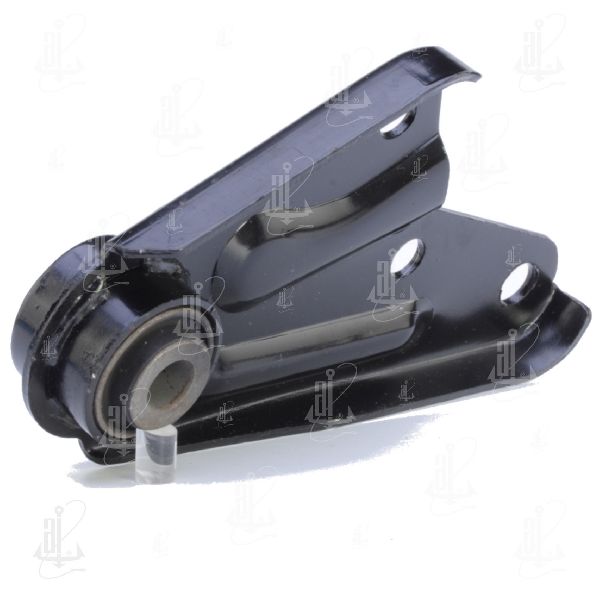
Mazda issued a Technical Service Bulletin (TSB) for a squeaking noise that can come from the rear engine mount (No. 4 mount) on 2010-2013 models. The noise happens when starting from a stop or during gear shifts and is caused by the rubber surfaces rubbing. The fix involves applying a special grease. While not a critical failure, it can be an annoying noise that points to wear on the rear mount.
Choosing the Right Aftermarket Mount

When replacing your engine mounts, you have a choice between original equipment (OEM) and various aftermarket brands. For this specific part, the choice has a big impact on how your car feels.
OEM vs. Aftermarket Quality
OEM Mounts: The original Mazda mount is a hydraulic, fluid-filled design. It provides the best vibration damping and restores the car's original smooth feel. However, it is the most expensive option.
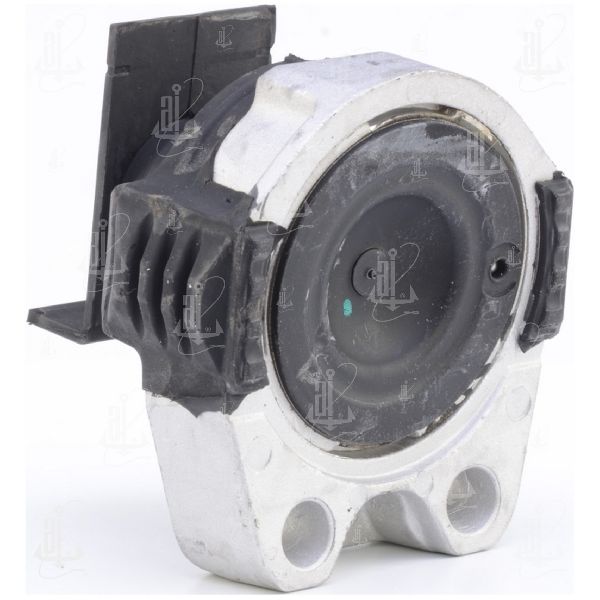
Aftermarket Mounts (Anchor, DEA, Westar): Most budget-friendly aftermarket mounts are not hydraulic. They are solid blocks of rubber. While they will hold the engine in place, they transfer much more vibration to the cabin. Many owners who choose these brands complain about a rough idle and a constant buzz while driving. While they are much cheaper, you sacrifice comfort. Some owners report these cheaper mounts failing in just a couple of years.
Mechanic's Recommendation
For the critical passenger-side (No. 3) mount, it is highly recommended to use an OEM Mazda part or a premium aftermarket brand that specifically states it is a hydraulic, fluid-filled replacement. For the other two mounts (transmission and rear), using a standard aftermarket brand like Anchor or Westar is more acceptable and a good way to save money, as they are not as critical for vibration control.
| Part Type | Typical Price Range (Part Only) | Notes |
|---|---|---|
| New OEM | $140 - $210 | Highest quality, restores original feel. |
| New Aftermarket | $23 - $125 | Wide range. Cheaper options are solid rubber and increase vibration. |
| Shop Labor | $100 - $250 | Typically 1-2 hours of labor to replace one or all mounts. |
Frequently Asked Questions (FAQ)

How many engine mounts does my 2009-2014 Mazda 3 have?
Your car has three main mounts: one on the passenger side for the engine, one on the driver's side for the transmission, and one at the rear of the subframe (often called a torque mount).
Do I need to replace all three mounts at once?
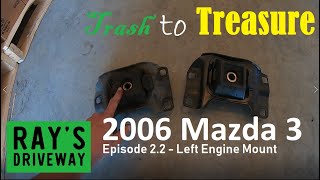
It's a good idea, but not always necessary. When one mount fails, it puts extra stress on the others, causing them to wear out faster. If you are paying for labor at a shop, it is often more cost-effective to replace all three at the same time. 🎬 See this complete walkthrough for replacing all three mounts If you are doing it yourself, you can replace just the one that has failed.
Is there a recall for the Mazda 3 engine mount?
No. Despite how common this problem is, there has been no safety recall issued by Mazda or the NHTSA for the engine mounts on the 2009-2014 Mazda 3.
Is this a difficult DIY job?
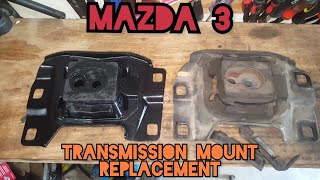
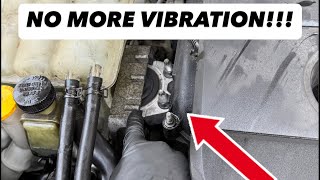
For a person with some mechanical experience and the right tools, it is a very manageable job. The passenger and rear mounts are fairly easy to access. The transmission mount is the most time-consuming as it requires removing the battery and air filter box. 🎬 Watch: Step-by-step guide for the driver's side transmission mount You will need a jack to support the engine while you swap the mounts.
Helpful Videos
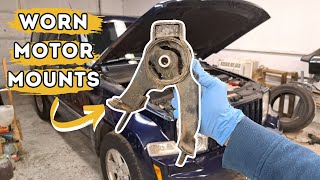
![[HD 1080p] How To Replace 04-13 Mazda 3 Engine Mount](https://img.youtube.com/vi/MUVcrK4_6IM/mqdefault.jpg)
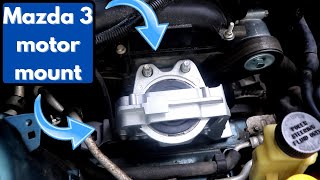
![[HD 1080p] How to Replace Mazda 3 Rear Engine Mount](https://img.youtube.com/vi/0FpS6XUqsKs/mqdefault.jpg)
Technical Specifications
OEM Part Numbers: BBN3-39-060B (2.5L Engine, Passenger Side) BBM4-39-060D (2.0L Engine, Passenger Side)
The Mazda 3 uses a three-mount system: a hydraulic (fluid-filled) mount on the passenger side, a solid rubber mount for the transmission on the driver's side, and a solid rubber torque mount at the rear.
We Have This Part in Stock

The information in this article is provided for general reference and educational purposes only. Vehicle specifications, procedures, and part compatibility can vary by production date, trim level, and region. Always consult your vehicle's factory service manual and verify part numbers before purchasing or performing repairs. Safety-critical components such as airbags, seat belts, and braking systems should be installed by a qualified professional.
- Mazda 3 Sport: