

Chevrolet Corvette C6 (2009-2014) Oxygen Sensor Replacement Guide
Keep your Corvette's LS3 engine running strong by understanding and replacing your oxygen sensors.
- Your Corvette has four O2 sensors; upstream sensors control fuel mixture while downstream sensors monitor emissions.
- For best results and to avoid compatibility issues, most Corvette owners recommend using OEM ACDelco or Denso brand sensors.
- A Check Engine Light with codes like P0135 or P0155 is a strong indicator of a failed O2 sensor heater circuit.
- Replacement is a manageable DIY job with the right tool (an O2 sensor socket), but sensors can be difficult to remove if corroded.
Is a Bad Oxygen Sensor Hurting Your Corvette's Performance?

A failing oxygen (O2) sensor can cause more than just a Check Engine Light. In a high-performance car like the C6 Corvette, a bad sensor can lead to poor fuel economy, a rough idle, and hesitation when you hit the gas. Since these sensors play a key role in managing the engine's air-fuel mixture, ignoring a problem can lead to reduced power and potentially damage your catalytic converters over time.
Symptoms of a Failing Oxygen Sensor
- Check Engine Light: This is the most common sign. Codes like P0135, P0155, or P0050 often point to a faulty O2 sensor heater circuit.
- Poor Fuel Economy: If the sensor provides wrong information, the engine might run rich, using more fuel than necessary.
- Rough Idle or Hesitation: An incorrect air-fuel mix can cause your Corvette to idle poorly or stumble during acceleration. 🎬 Watch: A detailed breakdown of bad oxygen sensor symptoms.
- Failed Emissions Test: A bad downstream sensor won't be able to confirm your catalytic converters are working correctly, leading to a failed test.
Heavily Modified Corvettes
If your Corvette has aftermarket long-tube headers, you may experience more frequent O2 sensor failures. Some header designs can cause the sensors to run cooler than intended or expose them to moisture, leading to premature failure. In some cases, the wiring harnesses can also get damaged by hot exhaust pipes.
🎬 See how melted sensor wires can impact your Corvette's performance.Choosing the Right Aftermarket Oxygen Sensor

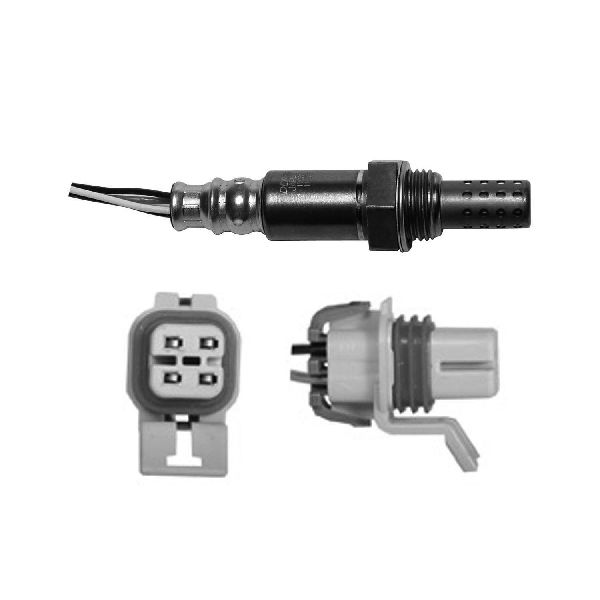
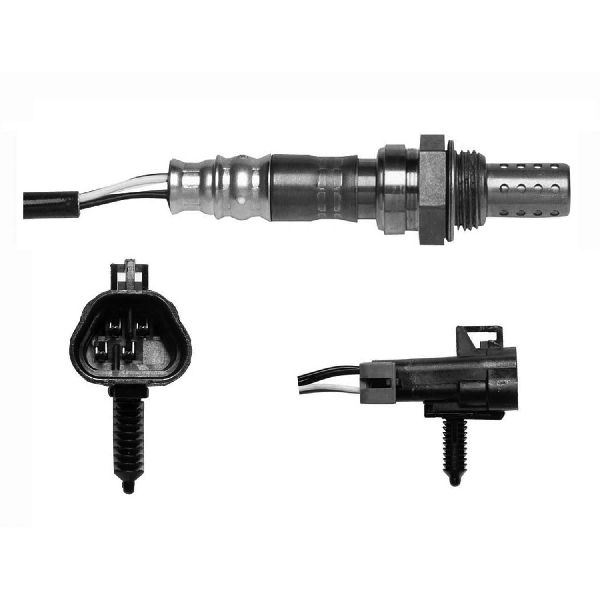
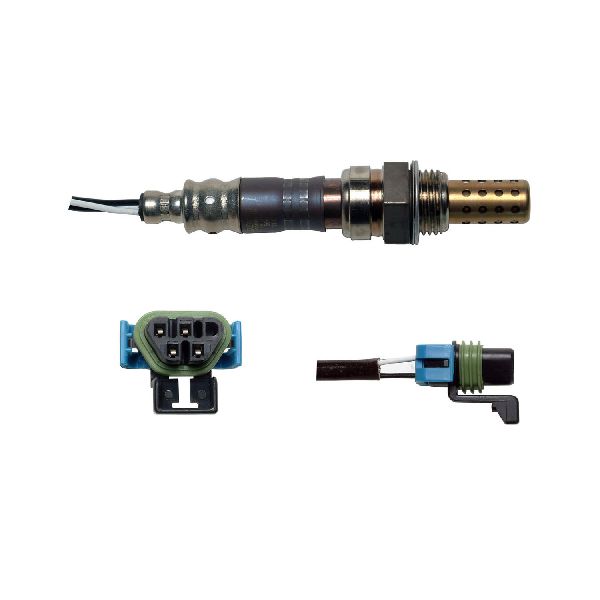
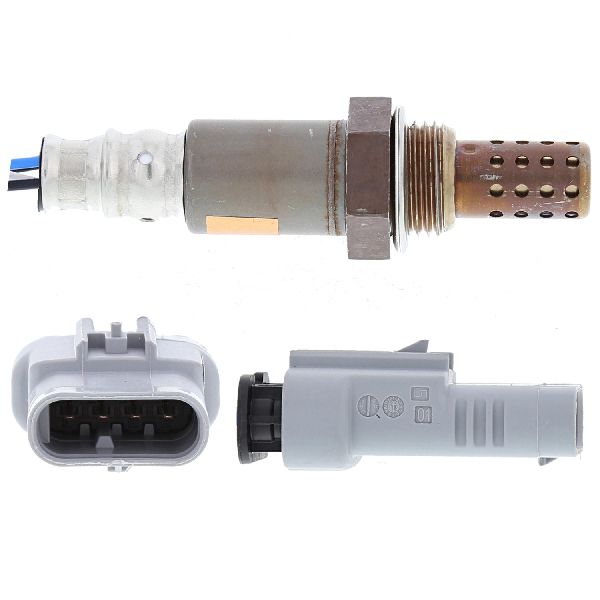
When it comes to sensors that manage your engine, quality matters. For the 2009-2014 Corvette, you have several good options. It's important to choose a direct-fit sensor with the correct connector to avoid cutting and splicing wires.
Brand Quality Tiers for Your Corvette:
OEM / Premium Aftermarket (ACDelco, Denso): ACDelco is the original GM parts brand. Denso is widely considered to be an OEM supplier for many GM vehicles and is a highly recommended alternative by Corvette owners. Many forum users report excellent results with Denso, sometimes at a lower cost than ACDelco. These brands are engineered to work perfectly with your Corvette's computer.
Reputable Aftermarket (Bosch, NGK/NTK): Bosch invented the oxygen sensor and is a major OE supplier worldwide. However, some Corvette owners on forums have reported mixed results, with some experiencing issues that were resolved by switching to ACDelco or Denso. NGK (under the NTK brand) is another well-respected option known for quality.
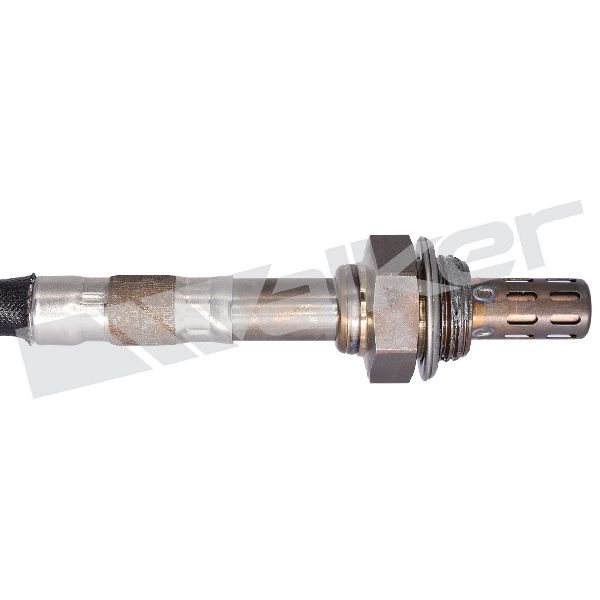
Standard Aftermarket (Delphi, Walker, Spectra, DriveWire): These brands offer a cost-effective solution and can be a good value. While they are designed to meet OE specifications, long-term reliability and performance consistency may vary compared to premium brands. They are generally considered a budget-friendly choice for a daily driver.
Pro Tip: Many Corvette owners on forums strongly recommend using ACDelco or Denso sensors to avoid compatibility issues with the engine's computer. Spending a little extra on these brands can save you the headache of chasing down persistent Check Engine Lights.
| Part Type | Price Range (Per Sensor) |
|---|---|
| New OEM (ACDelco) | $60 - $120 |
| New Aftermarket (Denso, Bosch) | $45 - $116 |
| New Aftermarket (Value Brands) | $35 - $75 |
| Shop Labor | $100 - $200 |
Frequently Asked Questions

How many oxygen sensors does my 2009-2014 Corvette have?
Your Corvette has four oxygen sensors: two upstream (before the catalytic converters) and two downstream (after the catalytic converters). Bank 1 is on the driver's side, and Bank 2 is on the passenger's side.
Can I replace just one oxygen sensor?
Yes, you can replace only the failed sensor. However, oxygen sensors age over time. If one has failed, the others may not be far behind. If your car has high mileage, it's often a good idea to replace them in pairs (both upstream or both downstream) to ensure balanced performance.
Is replacing an O2 sensor a DIY job?
Yes, for many owners it is. The job requires raising the car safely, using a special O2 sensor socket, and potentially applying penetrating oil to loosen the old sensor. The sensors can be tight and difficult to remove, especially if they are old and corroded. The difficulty is moderate, and it can take about an hour.
🎬 Watch this step-by-step guide to replacing your O2 sensors.Do I need a special tool to replace an oxygen sensor?
Yes, an oxygen sensor socket is highly recommended. It's a specialized socket with a slot on the side that allows it to fit over the sensor while accommodating the wire. Using the wrong tool can damage the new sensor or the wiring.
Were there any recalls for O2 sensors on the 2009-2014 Corvette?
No specific oxygen sensor recalls were found for the 2009-2014 Chevrolet Corvette. Searches on the NHTSA database did not show any recalls directly related to O2 sensor failure for this model year range.
Helpful Videos

Technical Specifications
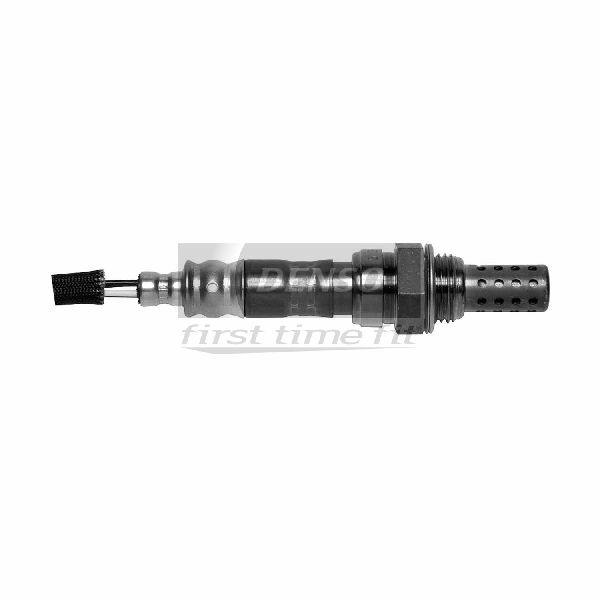
OEM Part Numbers: 12612571 213-4699 213-1552
Your Corvette uses heated, 4-wire oxygen sensors. Upstream and downstream sensors are different part numbers and are not interchangeable. Always verify the part number for the specific location (Bank 1 Sensor 1, Bank 2 Sensor 1, etc.) you are replacing.
We Have This Part in Stock

The information in this article is provided for general reference and educational purposes only. Vehicle specifications, procedures, and part compatibility can vary by production date, trim level, and region. Always consult your vehicle's factory service manual and verify part numbers before purchasing or performing repairs. Safety-critical components such as airbags, seat belts, and braking systems should be installed by a qualified professional.
- Chevrolet Corvette: