

Toyota Corolla Engine Camshaft Position Sensor Guide (2009-2013)
Having engine trouble with your 2009-2013 Toyota Corolla? A bad camshaft position sensor could be the culprit.
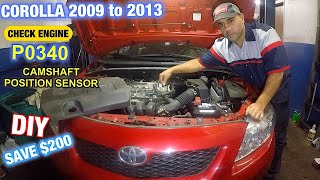
- The 2009-2013 Corolla with the 1.8L engine has two camshaft position sensors that are easy to replace yourself.
- Common symptoms include a check engine light (P0340), rough idle, stalling, and poor acceleration.
- For best results, choose an OEM-tier brand like Denso, as cheap aftermarket sensors can be unreliable for Toyotas.
- Replacement is a simple DIY job requiring only a 10mm socket, saving you on labor costs.
Understanding Camshaft Position Sensor Failure in Your Corolla

If you own a 2009-2013 Toyota Corolla, a failing camshaft position sensor can cause a range of noticeable engine problems. This sensor is critical for engine timing, and when it starts to go bad, it sends incorrect or no data to your car's computer. This can lead to poor performance and, if ignored, can eventually prevent the engine from starting at all. Fortunately, for this generation of Corolla, the sensors are relatively easy to access and replace.
Symptoms of a Failing Camshaft Position Sensor


A bad camshaft position sensor will almost always trigger the Check Engine Light on your dashboard. If you use an OBD-II scanner, you'll likely see codes such as P0340, which points to a malfunction in the sensor's circuit. Beyond the warning light, you might experience one or more of the following issues:
- Rough Idling: The engine may shake or idle unevenly at a stop.
- Difficulty Starting: The car may take longer than usual to start, or it might crank but not fire up at all.
- Engine Stalling: The engine could shut off unexpectedly while driving or when coming to a stop.
- Poor Acceleration: Your Corolla might feel sluggish or hesitant when you press the gas pedal.
- Reduced Fuel Economy: A bad sensor can cause the engine to use more fuel than necessary.
- Engine Misfiring or Surging: You may feel the engine jerking or hesitating during acceleration.
How Many Sensors Does My Corolla Have?
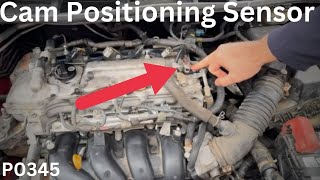
The 1.8L (2ZR-FE) engine, which is the most common engine in the 2009-2013 Corolla, has two camshaft position sensors. One is for the intake camshaft and the other is for the exhaust camshaft. They are located on the top of the engine on the driver's side and are held in by a single 10mm bolt each, making them easy to identify and replace. While they are often the same part number, it's important to identify which sensor is faulty based on the specific trouble code.
Choosing the Right Aftermarket Camshaft Position Sensor

When it comes to engine sensors for a Toyota, quality matters. While a cheaper part might be tempting, poor-quality sensors are known to fail quickly or provide inaccurate readings, leaving you with the same problems. It is often recommended to use the OEM supplier part for critical sensors.
Here’s a breakdown of aftermarket brands to help you choose:
- OEM-Tier (Best Choice): Denso is the original equipment manufacturer for many Toyota parts. Choosing a Denso sensor is the closest you can get to buying the part from a Toyota dealer. They offer the best guarantee of fit, performance, and longevity. Brands like Delphi and Hitachi also have a strong reputation for producing high-quality electronic components.
- Reputable Aftermarket (Good Choice): Brands like Standard Motor Products (SMP), NGK, Walker Products, and Beck Arnley are well-known in the aftermarket for producing reliable parts that meet or exceed OEM specifications. These are a solid choice if you're looking for a balance between quality and price.
- Budget-Friendly (Use with Caution): Brands like Dorman, URO Parts, and other lower-priced options can be hit-or-miss. While they offer significant savings, some user experiences suggest they may have a shorter lifespan or less precise performance compared to higher-tier brands. If your budget is tight, they can work, but be aware you might be replacing the part again sooner.
Pro Tip: When replacing a camshaft position sensor, it's a good idea to inspect the wiring and connector for any signs of damage, like frayed wires or corrosion. Sometimes the problem is in the connection, not the sensor itself. Also, consider replacing both sensors at the same time, especially on a high-mileage vehicle, as the other one may not be far from failing.
Cost of Replacing a Camshaft Position Sensor (2009-2013 Toyota Corolla)
| Part/Service | Estimated Cost |
|---|---|
| New Aftermarket Sensor | $27 - $176 |
| New OEM Sensor (Dealer) | $100 - $205 |
| Shop Labor | $50 - $120 |
| Total DIY Cost (1 Sensor) | $27 - $176 |
| Total Professional Replacement (1 Sensor) | $77 - $296 |
Note: Costs are estimates and can vary based on your location, the specific brand of part chosen, and the repair shop's labor rates. The 1.8L engine has two sensors.
Frequently Asked Questions
Is it difficult to replace the camshaft position sensor myself?
No, this is a very easy DIY job for most people. The sensors are located on top of the engine and are each held in by a single 10mm bolt. The process involves disconnecting the electrical connector, removing the bolt, pulling out the old sensor, and installing the new one. It typically takes less than 30 minutes and requires only basic hand tools.
Where are the camshaft position sensors located on my 2009-2013 Corolla?
On the common 1.8L (2ZR-FE) engine, both sensors are on the top, right side (driver's side) of the valve cover, near the air filter housing. The front sensor is for the intake cam, and the rear sensor is for the exhaust cam.
What happens if I don't replace a bad camshaft position sensor?
You will continue to experience poor engine performance, including bad fuel economy, rough running, and stalling. Eventually, the sensor can fail completely, which may leave you stranded as the engine will not start. Ignoring the problem can also put extra stress on other engine components.
Are there any recalls for the camshaft position sensor on the 2009-2013 Corolla?
There are no specific recalls for the camshaft position sensor itself. However, there was a recall (NHTSA ID: 13V-395) for some Toyota models related to the VVT gear assembly bolts coming loose, which could cause the engine to stop. While this is not a sensor issue, the symptoms could be similar. It's always best to check for any open recalls on your specific vehicle using its VIN.
Helpful Videos
Technical Specifications
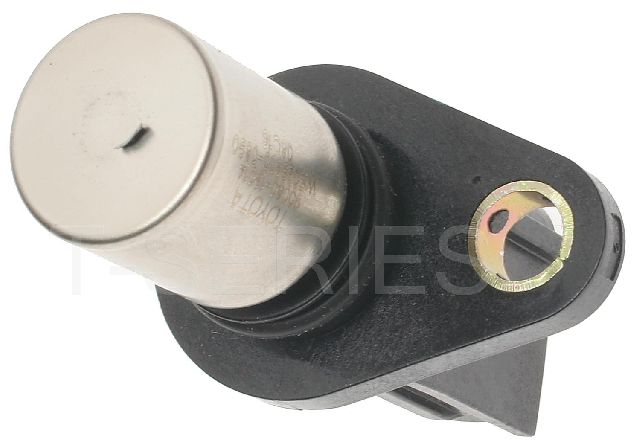
OEM Part Numbers: 90919-05060 90919-T5002 90919-T5005
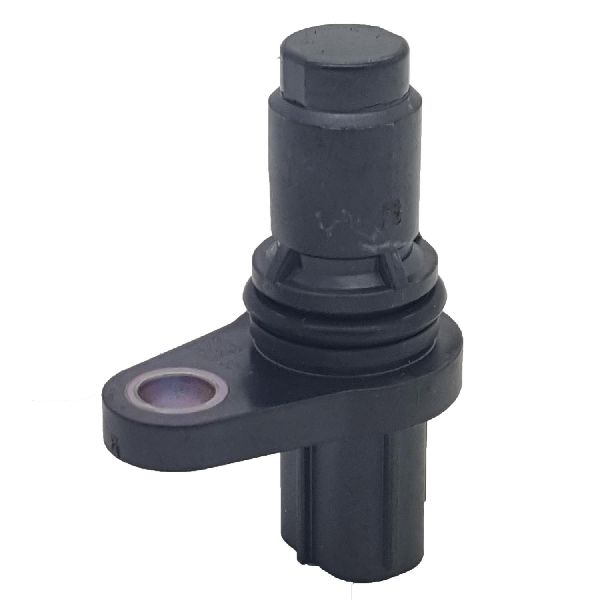
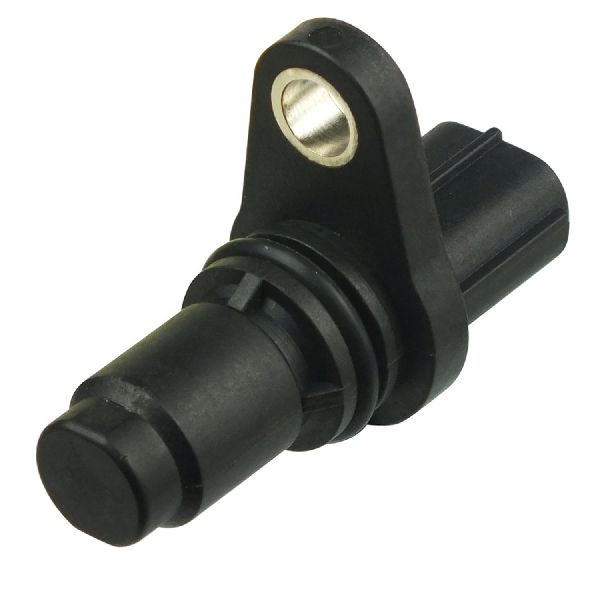
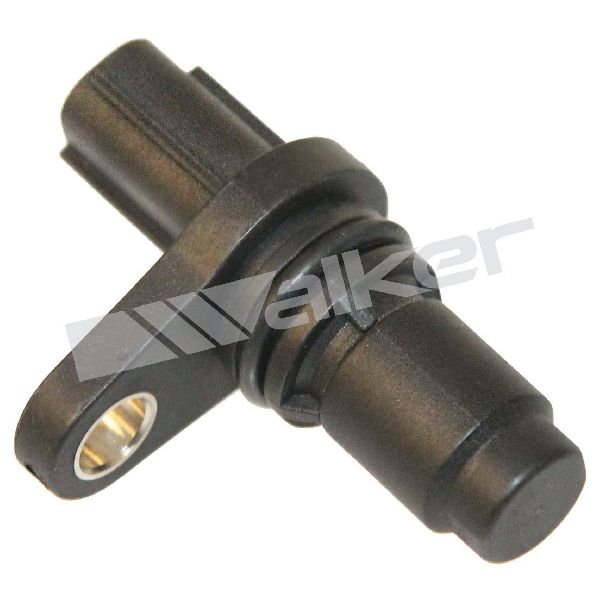
The 1.8L (2ZR-FE) engine uses two sensors, one for the intake camshaft and one for the exhaust camshaft. They are typically 3-pin sensors held in place by a single 10mm bolt.
We Have This Part in Stock


The information in this article is provided for general reference and educational purposes only. Vehicle specifications, procedures, and part compatibility can vary by production date, trim level, and region. Always consult your vehicle's factory service manual and verify part numbers before purchasing or performing repairs. Safety-critical components such as airbags, seat belts, and braking systems should be installed by a qualified professional.
- Toyota Corolla:
- 🎬 Helpful Videos
- 🛍️ Shop This Part
- Understanding Camshaft Position Sensor Failure in Your Corolla
- Symptoms of a Failing Camshaft Position Sensor
- Choosing the Right Aftermarket Camshaft Position Sensor
- Cost of Replacing a Camshaft Position Sensor (2009-2013 Toyota Corolla)
- Frequently Asked Questions
- 🎟️ Get 5% Off