

A Guide to Replacing the Catalytic Converter on Your 2008-2023 GMC Yukon
Whether your check engine light is on or your converter was stolen, this guide covers what you need to know before buying a replacement.
- You must fix the root cause of failure (like oil consumption or misfires) before installing a new converter, or the new part will also fail.
- GMC Yukons are prime targets for catalytic converter theft; consider installing an anti-theft shield with your new part.
- Choosing a quality aftermarket brand like MagnaFlow or Walker, or a CARB-compliant unit, reduces the risk of a recurring P0420/P0430 check engine light.
- A 'direct-fit' converter is highly recommended over a 'universal' one to ensure proper fit and avoid welding.
Is Your GMC Yukon Catalytic Converter Failing?

Catalytic converters can fail for two main reasons: they wear out over time (natural failure), or they are damaged by another problem with your truck (consequential failure). For many 2014-2017 GMC Yukon models, issues like excessive oil consumption are a known cause of premature converter failure. It's also extremely common for these parts to be stolen right from under the truck due to their high scrap value and the Yukon's easy-to-access underbody.
Symptoms of a Bad or Stolen Catalytic Converter:
- Loud, roaring engine noise: If you start your Yukon and it suddenly sounds like a race car, 🎬 Listen: What a Yukon sounds like with a stolen converter. your converter was likely stolen. Thieves cut the part out of the exhaust, leaving a large gap.
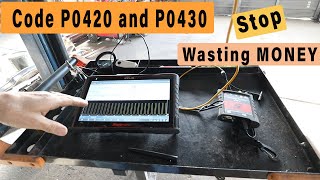
- Check Engine Light: The most common sign of a failing converter is an illuminated check engine light with codes P0420 or P0430 stored in the computer. 🎬 Watch: How to diagnose and fix P0420 or P0430 codes. These codes mean the converter's efficiency is below the required threshold.
- Reduced Power and Fuel Economy: A clogged converter acts like a potato in your tailpipe. It restricts exhaust flow, which can cause sluggish acceleration, poor gas mileage, and even stalling.
- Rotten Egg Smell: A sulfur or rotten egg smell from the exhaust can indicate that unburned fuel is overheating the converter, a sign of a rich fuel mixture or an impending failure.
- Rattling Noise: If you hear a rattling from underneath the vehicle, it could be the ceramic honeycomb catalyst breaking apart inside the converter.
Fix the Root Cause First!
A new catalytic converter can be quickly destroyed if you don't fix the problem that caused the original one to fail. Before installing a new part, you or your mechanic must check for and repair any underlying engine issues. Common culprits include:
- Excessive oil consumption, a known issue in some GM trucks.
- Engine misfires from bad spark plugs or ignition coils.
- Leaking fuel injectors or incorrect fuel pressure.
- Faulty oxygen sensors giving incorrect readings.
- Exhaust leaks or intake air leaks.
Choosing the Right Aftermarket Catalytic Converter

When replacing your converter, you have a choice between an expensive Original Equipment (OEM) part from the dealer and a more affordable aftermarket part. While OEM parts are designed for a perfect fit, a quality aftermarket converter can provide reliable service for a fraction of the price. Aftermarket brands generally fall into a few tiers:
- Premium (MagnaFlow, MagnaFlow Performance Exhaust): Known for high-quality stainless steel construction and a focus on performance. They often offer better exhaust flow than stock and are a trusted brand among mechanics and enthusiasts. However, they are typically the most expensive aftermarket option.
- OEM-Grade (Walker Exhaust): Walker is a well-respected brand that aims to provide an OEM-equivalent fit and function. They are known for reliable, direct-fit models that make installation easier.
- Standard/Value (AP Exhaust, Davico, Eastern Catalytic, Evan Fischer): These brands offer a more budget-friendly solution. User reviews are mixed; some report perfect fit and long life, while others mention issues with weld quality or longevity. Eastern Catalytic is often praised for good fitment but has also received complaints about workmanship. These can be a good choice if budget is the primary concern, but they may not last as long as premium options.
EPA (Federal) vs. CARB: A Critical Choice
You must choose a converter that is legal in your state. Converters are either EPA (Federal) compliant or CARB (California Air Resources Board) compliant. CARB converters have a higher load of precious metals and are required for vehicles registered in California, Colorado, New York, and Maine. Even if you don't live in a CARB state, a CARB-compliant converter is often a higher-quality part that is less likely to fail prematurely or trigger a check engine light.
Known Issues, Recalls, and Service Bulletins

- Emission Recall N232419720: Affects certain 2022-2023 Yukons with the 6.2L engine. An incorrect catalytic converter may have been installed during a previous service, and dealers will replace it for free.
- TSB 18-NA-137: For 2015-2018 models, this bulletin addresses P0420/P0430 codes that can be caused by an improper seal on the air filter housing, allowing dirt to bypass the filter.
- Excessive Oil Consumption: Several Technical Service Bulletins (TSBs) exist for 2014-2017 models related to high oil consumption, which can foul and destroy the catalytic converter.
Cost of Replacement
The cost to replace a catalytic converter on a GMC Yukon can vary widely based on the part you choose and local labor rates.
| Item | Estimated Cost |
|---|---|
| New Aftermarket Converter (Part Only) | $150 - $2,200+ |
| New OEM Converter (Part Only) | $1,500 - $4,000+ |
| Shop Labor | $200 - $500 |
| Total Aftermarket Replacement | $350 - $2,700 |
| Total OEM Replacement | $1,700 - $4,500+ |
Frequently Asked Questions

How do I prevent my new catalytic converter from being stolen?
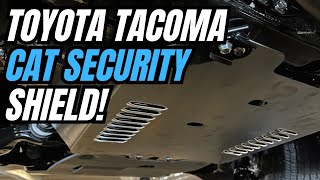
Catalytic converter theft is a major problem for Yukon owners. Consider parking in a garage or well-lit area. You can also have a mechanic install a catalytic converter anti-theft shield, which is a metal plate that makes it much harder for thieves to access and cut the converter. 🎬 See the best anti-theft solutions to protect your truck. Some owners also have their VIN engraved onto the converter to deter theft and aid in recovery.
Can I use a cheaper "universal fit" converter?
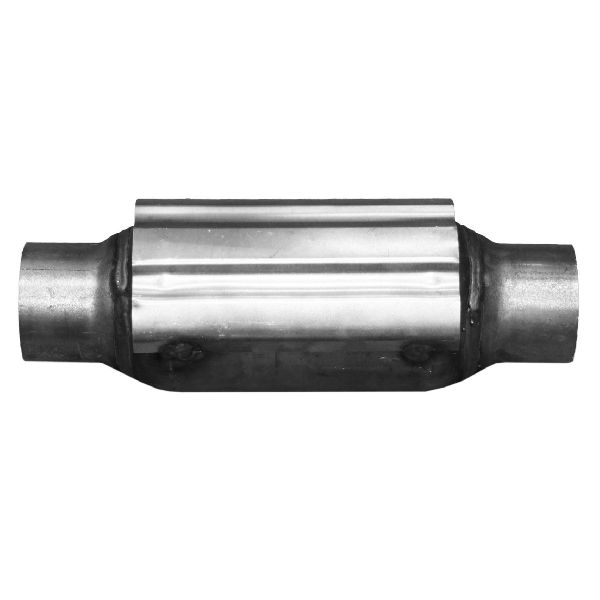
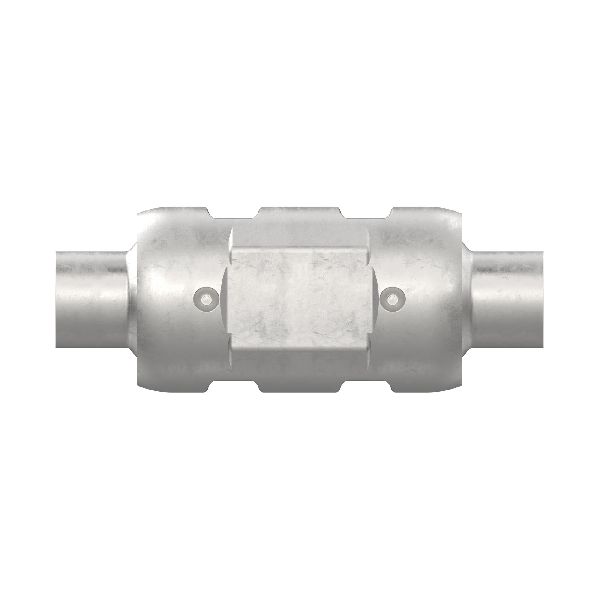
Universal converters can save money, but they require cutting and welding for installation, which increases labor costs and potential for exhaust leaks. A "direct-fit" converter is designed to bolt directly into your Yukon's existing exhaust system, making for a much easier and more reliable installation. For a vehicle like the Yukon, a direct-fit part is strongly recommended.
Why did my new aftermarket converter trigger a check engine light?
This is a common problem with cheaper, lower-quality converters. They often don't have enough of the precious metals inside to satisfy the vehicle's computer, which triggers a P0420 or P0430 efficiency code. This is why choosing a quality brand like MagnaFlow or Walker, or opting for a CARB-compliant converter, can be worth the extra cost. Also, ensure there are no exhaust leaks and that the oxygen sensors are working correctly.
Do I need to replace my oxygen sensors with the converter?
It is highly recommended. Oxygen sensors work with the converter to monitor emissions. An old, slow-reacting sensor can cause issues with the new converter or lead to incorrect readings. Replacing them at the same time ensures the entire system is working together properly and can save you from doing the same job twice.
Helpful Videos
Technical Specifications
OEM Part Numbers: 23486656 85542367 85542366
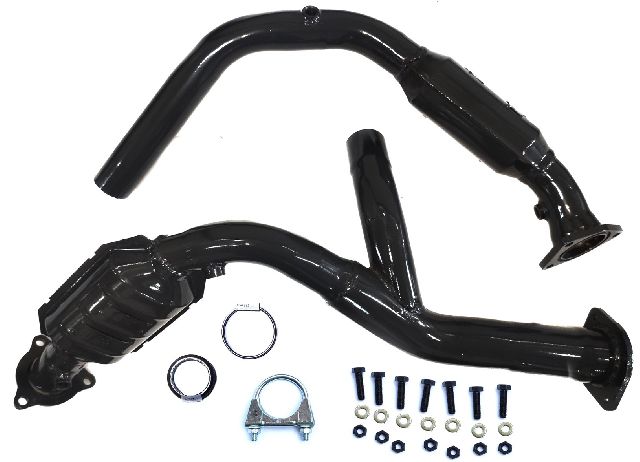
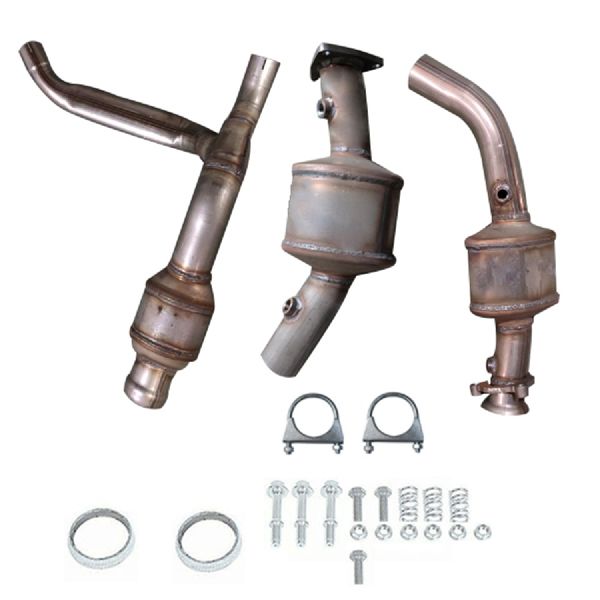
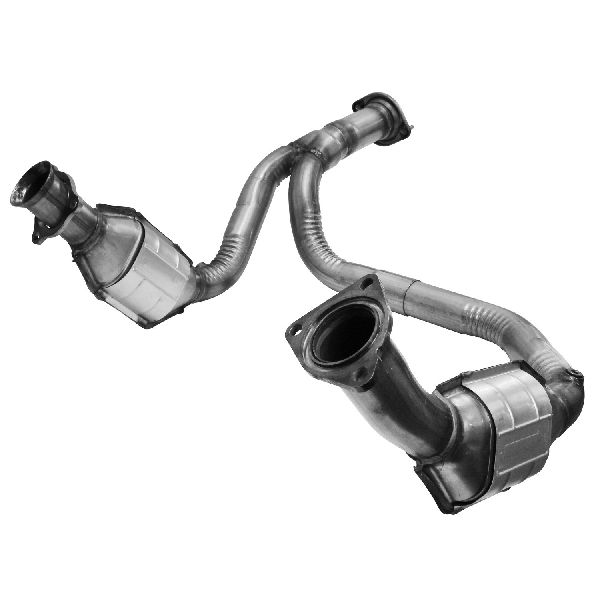
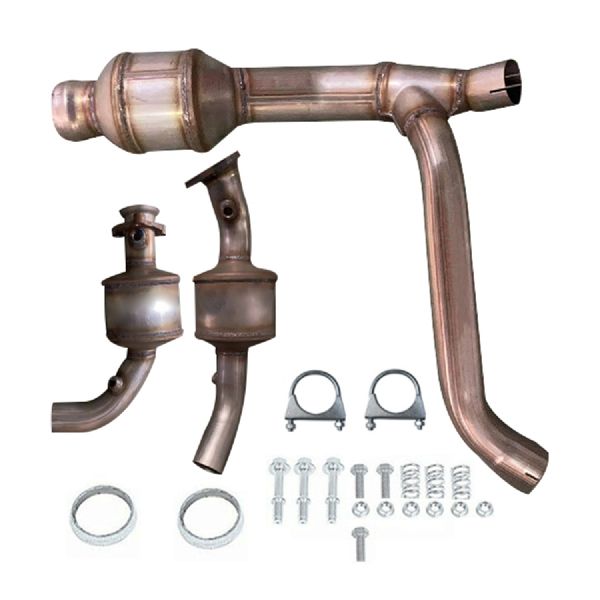
The GMC Yukon typically uses a 'Y-pipe' assembly which includes two catalytic converters (one for each engine bank) that merge into a single pipe. Most are direct-fit, bolt-on units. The specific design varies by generation (2008-2014, 2015-2020, 2021-2023) and engine size (5.3L or 6.2L). Always verify the part number with your vehicle's VIN.
We Have This Part in Stock

The information in this article is provided for general reference and educational purposes only. Vehicle specifications, procedures, and part compatibility can vary by production date, trim level, and region. Always consult your vehicle's factory service manual and verify part numbers before purchasing or performing repairs. Safety-critical components such as airbags, seat belts, and braking systems should be installed by a qualified professional.
- GMC Yukon: