

A Guide to Aftermarket Spark Plugs for the 2008-2022 Nissan Sentra
Keep your Sentra's engine running smoothly by choosing the right spark plugs.
- Symptoms of failure include rough idle, poor acceleration, reduced fuel economy, and a check engine light for misfires (P0300).
- NGK and Denso are the recommended OEM-quality brands for a Nissan Sentra.
- Use iridium-type spark plugs for the longest life, as recommended for most modern Sentras.
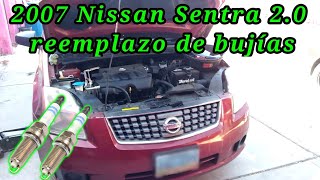
- Replacement on some 2.0L engines is more difficult and may require removing the intake manifold.
Symptoms of Failing Spark Plugs

When your Sentra's spark plugs start to wear out, you'll likely notice a change in how your car performs. Worn plugs can't create a strong enough spark, which leads to incomplete fuel combustion. You might feel the engine is 'off' or just not running right.
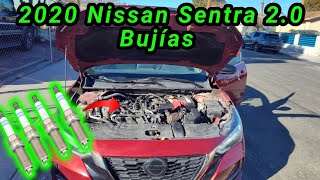
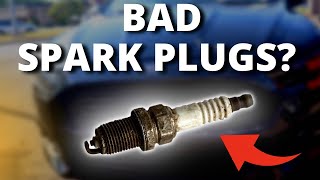
🎬 Watch: See a visual guide to bad spark plug symptoms.- Rough Idle: Your car may shake or vibrate more than usual when you are stopped.
- Poor Acceleration: The car might feel sluggish or slow to respond when you press the gas pedal.
- Worse Fuel Economy: You may find yourself filling up the gas tank more often. Worn spark plugs can reduce fuel economy by as much as 30%.
- Engine Misfires: The engine may sputter or stumble, and you might hear popping sounds. A flashing check engine light often accompanies severe misfires.
- Trouble Starting: The engine may take longer to crank before it starts, especially in cold weather.
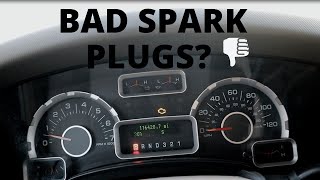
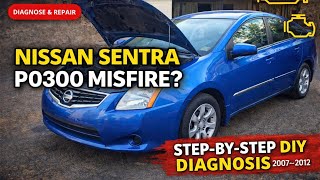
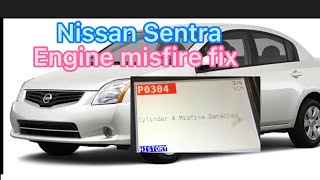
- Check Engine Light: A steady or flashing check engine light can be triggered by misfires caused by bad spark plugs. Common codes include P0300 (random misfire) or codes P0301-P0304 for specific cylinders. 🎬 See this step-by-step DIY diagnosis for Sentra misfire codes.
Flashing Check Engine Light
If your check engine light is flashing, it signals a severe engine misfire. This can quickly damage expensive components like the catalytic converter. It is recommended to stop driving and have the vehicle inspected as soon as possible.
Choosing the Right Aftermarket Spark Plugs

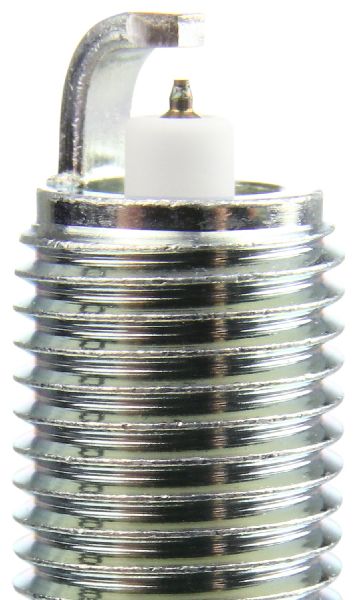
Nissan often uses NGK or Denso spark plugs as original equipment (OEM). When choosing aftermarket replacements, sticking with these brands is a safe bet for quality and compatibility. However, other brands also offer quality options. Plugs are typically made from copper, platinum, or iridium. Iridium plugs are the modern standard for longevity and performance, often lasting up to 100,000 miles.
Brand Tiers for Your Sentra
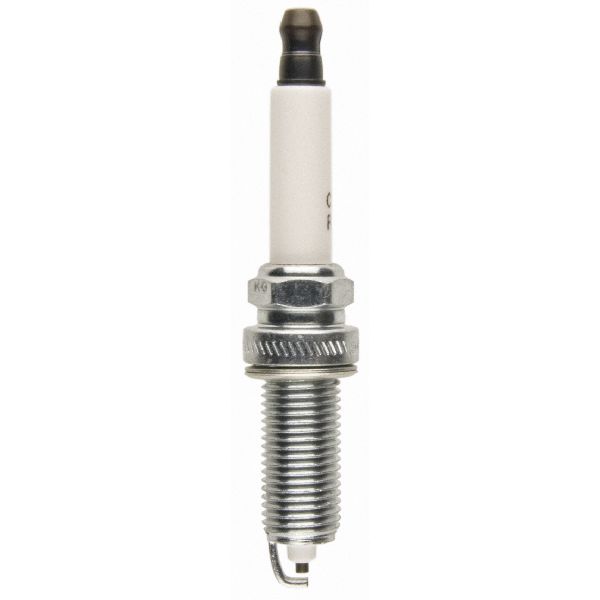
- Top Tier (OEM Quality): NGK and Denso are highly recommended for Nissan vehicles. They are often the original part manufacturer. Choosing their iridium options, like the NGK Iridium IX or Denso Iridium, ensures long life and reliable performance that meets or exceeds factory specifications.
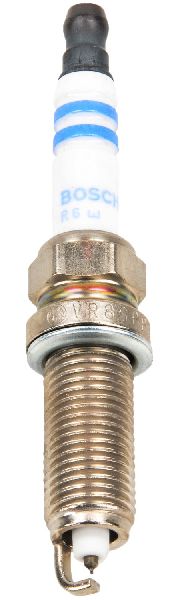
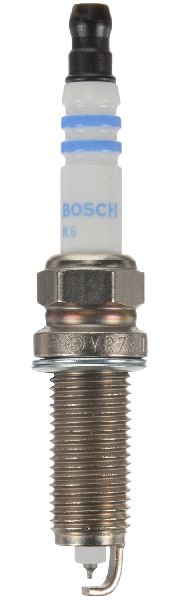
- Mid-Tier (Reliable Alternatives): Brands like Bosch and Autolite offer quality iridium and platinum plugs that are a good value. The Bosch Double Iridium and Autolite Iridium XP lines are popular choices that provide good performance and durability.
- Economy Tier (Budget-Friendly): Champion is a long-standing brand that offers affordable copper and platinum plugs. While they may not last as long as iridium plugs, they are a functional choice for those on a tighter budget, but will require more frequent changes.
Pro Tip: Iridium is Worth It
For most 2008-2022 Sentra models, the original plugs were long-life iridium. While cheaper copper or platinum plugs might fit, they won't last as long. Sticking with iridium plugs means you won't have to worry about changing them again for many years and up to 100,000 miles.
Cost to Replace Nissan Sentra Spark Plugs

| Part Type | Cost Range (4 plugs) |
|---|---|
| New Aftermarket (Platinum) | $32 - $80 |
| New Aftermarket (Iridium) | $40 - $130 |
| Shop Labor | $150 - $400 |
Note: Labor costs can vary significantly. Some Sentra engines (like the 2.0L) require removing the intake manifold to access the spark plugs, which increases labor time and cost.
Frequently Asked Questions (FAQ)

How often should I replace the spark plugs on my Nissan Sentra?
The replacement interval depends on the type of spark plug. Standard copper plugs may need changing every 30,000 miles. However, most modern Sentras come with iridium spark plugs, which can last up to 105,000 miles according to Nissan's maintenance schedule. If you're unsure of your car's history, it's a good idea to inspect them or replace them if you experience any failure symptoms.
Is it hard to replace the spark plugs on a Sentra myself?
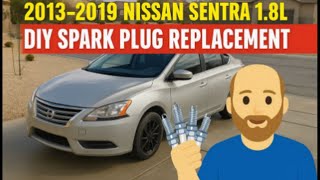
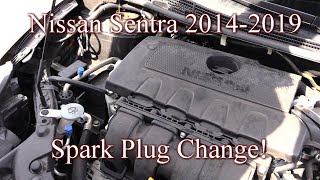
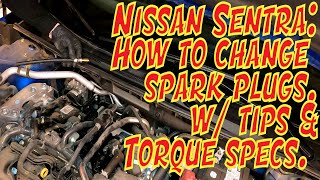
For some Sentra models and years, it is a straightforward DIY job. 🎬 Watch: Easy 1.8L spark plug replacement walkthrough for 2013-2019 models. However, for others, particularly the 2.0L engine found in many 2007-2012 models, the intake manifold must be removed to access the rear spark plugs. This makes the job more complex. You will also need a special thin-wall 14mm spark plug socket for many of these engines.
What is a spark plug 'gap' and do I need to check it?
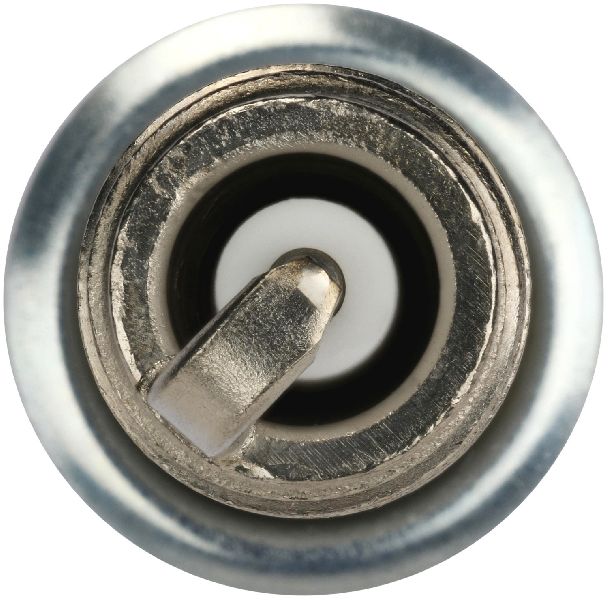
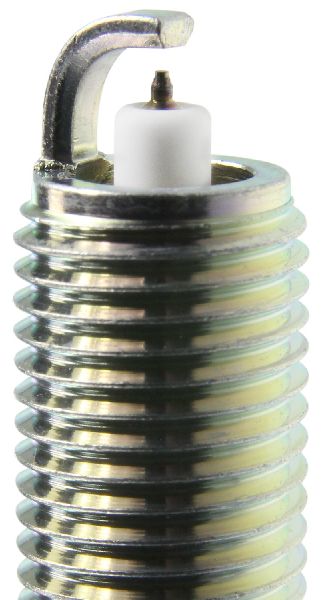
The gap is the precise distance between the two electrodes at the tip of the spark plug. Most quality aftermarket plugs from brands like NGK and Denso come pre-gapped for your vehicle. It is a good practice to verify the gap with a feeler gauge, but you should never try to adjust the gap on an iridium or platinum plug, as you can easily break the fine tip.
Should I replace the ignition coils at the same time as the spark plugs?
It is not always necessary. Ignition coils sit on top of the spark plugs and deliver the electrical charge. They generally last longer than spark plugs. However, if you are diagnosing a misfire, it can be difficult to tell if the plug or the coil is the problem. Since you have to remove the coils to get to the plugs anyway, some owners choose to replace them at the same time for peace of mind, especially on higher-mileage vehicles.
Helpful Videos

Technical Specifications
OEM Part Numbers: 22401-JD01B 22401-CK81B 22401-5M015 22401-5M014
Material: Iridium or Platinum recommended. Socket Size: Varies, but a 14mm thin-wall socket is commonly required. Gap: Typically pre-set, around 0.043 inches.
We Have This Part in Stock

The information in this article is provided for general reference and educational purposes only. Vehicle specifications, procedures, and part compatibility can vary by production date, trim level, and region. Always consult your vehicle's factory service manual and verify part numbers before purchasing or performing repairs. Safety-critical components such as airbags, seat belts, and braking systems should be installed by a qualified professional.
- Nissan Sentra: