

Honda CR-V Engine Mounts: A Guide for 2008-2022 Models
If your CR-V shakes and vibrates at stoplights, a worn-out engine mount is the most likely cause.
- Excessive vibration at idle is the #1 symptom of a bad engine mount in a CR-V.
- For the best results and smoothest ride, use a genuine Honda (OEM) replacement mount, especially for the passenger side.
- Budget aftermarket brands like Anchor and DEA are known to cause vibration issues in Honda CR-Vs.
- The 2012-2016 models have a natural tendency to vibrate at idle; this is not always caused by a bad mount.
Is Your CR-V Shaking? Here’s How to Tell if an Engine Mount is Bad

A failing engine mount makes itself known through physical signs you can feel and hear. The most common complaint from CR-V owners is a strong vibration felt through the steering wheel, floor, and seats, especially when the car is stopped at a light with the transmission in Drive.
Other key symptoms include:
- Loud Noises: A clunking, banging, or thumping sound when you accelerate, put the car in reverse, or shift gears. This is the sound of the engine moving around too much and hitting other parts.
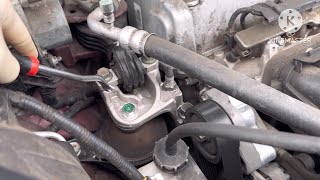
- Visible Engine Movement: Open the hood and have a friend watch the engine while you (with your foot firmly on the brake) shift from Park to Reverse or Drive. If the engine jerks or lifts excessively, a mount is likely broken. 🎬 Watch: How to identify and locate a failing engine mount.
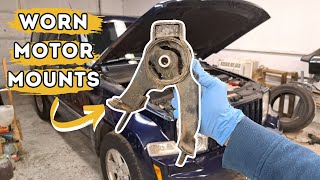
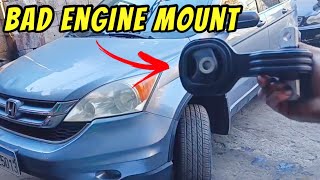
- Visual Damage: A visual inspection may show that the rubber on the mount is cracked, torn, or separating from the metal. If you have a hydraulic mount that has failed, you might see dark, oily fluid leaking from it.
A Note on 2012-2016 CR-V Vibration
The fourth-generation CR-V (2012-2016) is known for having a noticeable vibration at idle, even with good engine mounts. This is often due to the engine's design, which runs at a very low RPM to save fuel. While a bad mount can make it worse, some vibration is considered normal for these specific model years. Owners have found that turning on the A/C or headlights can temporarily reduce the vibration by making the engine idle slightly higher.
🎬 See how to fix takeoff shuttering on a 2014 CR-V.Choosing a New Aftermarket Engine Mount

When shopping for a new engine mount, you have a choice between Original Equipment (OEM) from Honda and various aftermarket brands. For the CR-V, the quality difference can be significant.
- OEM (Original Equipment Manufacturer): This is the highest quality and most expensive option. OEM mounts, especially the fluid-filled hydraulic ones, are designed specifically to handle the CR-V's vibration characteristics. They provide the smoothest ride and last the longest. If your budget allows, OEM is the recommended choice to avoid future problems.
- Aftermarket Brands: These are much more affordable. However, quality can be a gamble. Many CR-V owners who have used budget-friendly aftermarket mounts report that they are too hard and cause constant vibration, sometimes worse than the old, broken mount.
Brand Quality Tiers
Based on owner feedback, aftermarket brands for the CR-V generally fall into these categories:
- Tier 1 (OEM): The best fit, performance, and vibration control.
- Tier 2 (Premium Aftermarket): While not explicitly found in searches, brands positioned as OEM-equivalents would fall here. They aim to match OEM quality at a slightly lower price.
- Tier 3 (Budget Aftermarket - Anchor, DEA): These brands offer a low price point but are frequently associated with poor performance. Forum discussions often contain warnings about Anchor and DEA mounts causing severe vibrations or failing quickly. They are a budget option, but be prepared for a potential trade-off in ride comfort.
- Tier 4 (Unknown - Skyward): Skyward is an available brand, but no specific owner reviews or quality assessments for their engine mounts were found during research.
Pro Tip: For the passenger-side mount, which is often hydraulic, spending extra for an OEM part is highly recommended. Using a cheap, solid rubber aftermarket mount in its place will almost certainly lead to a rough, vibrating ride.
Honda CR-V Engine Mount Replacement Cost

The cost to replace an engine mount depends on whether you do it yourself or use a repair shop, and which parts you buy. A CR-V has several mounts (typically 3 to 5), and prices are often discussed per mount.
| Part/Service | Estimated Cost |
|---|---|
| New Aftermarket Mount | $64 - $208 (per mount) |
| New OEM Mount | $200 - $450+ (per mount) |
| Shop Labor | $181 - $265 (per mount) |
| Total Professional Replacement (Aftermarket Part) | $245 - $473 (per mount) |
| Total Professional Replacement (OEM Part) | $381 - $715+ (per mount) |
Frequently Asked Questions
How many engine mounts does a Honda CR-V have?
A Honda CR-V typically has a set of 3 to 5 mounts that support both the engine and the transmission. This includes a passenger-side mount, a front mount, a rear mount, and one or two transmission mounts or torque struts.
Do I need to replace all engine mounts at once?
While it's often recommended, you don't have to replace them all at once. However, when one mount fails, it puts extra stress on the others, which can cause them to fail sooner. If you are paying for labor, it can be more cost-effective to replace them all at the same time.
Is it hard to replace a CR-V engine mount?
For a DIYer with the right tools, it is a moderately difficult job. You must safely support the engine from below using a floor jack and a block of wood before unbolting the old mount. Access to some mounts, like the rear one, can be tight.
🎬 Watch: Step-by-step guide to replacing the lower torque strut mount.Are there any recalls for CR-V engine mounts?
No, there are no specific recalls for engine mounts on the 2008-2022 Honda CR-V. Searches of the NHTSA database and other sources found recalls for other issues like frame rust on older models (2007-2011), airbag components, and fuel system parts, but not for motor mounts.
Helpful Videos

Technical Specifications
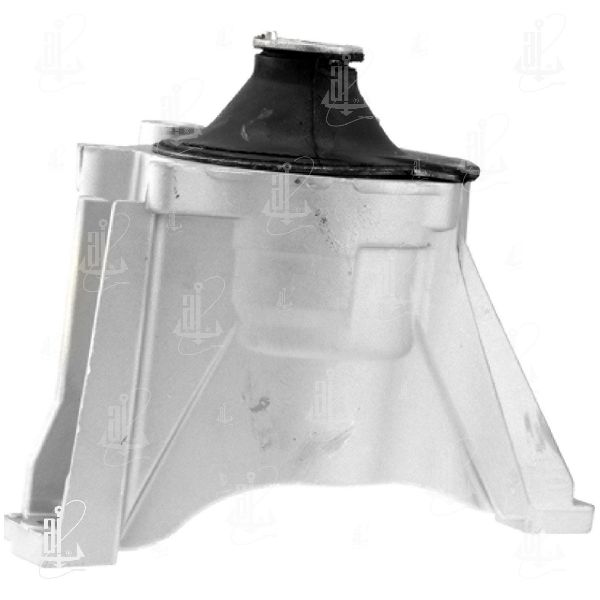
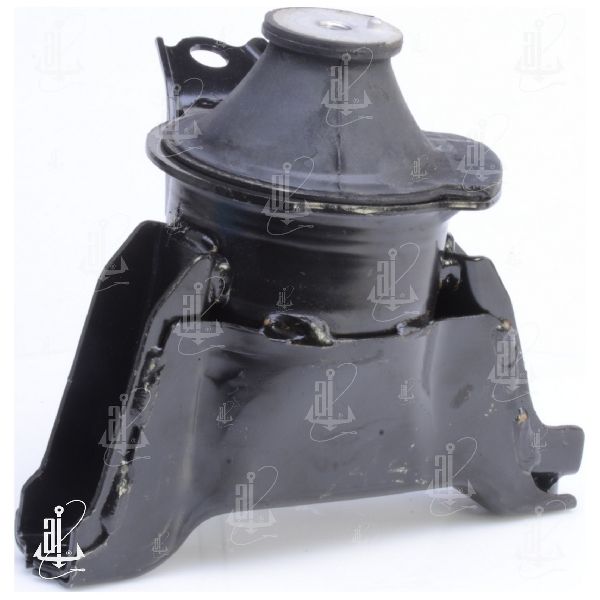
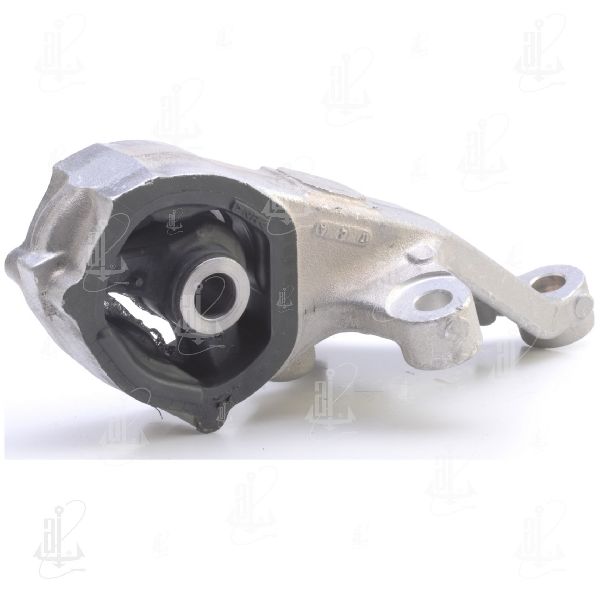
OEM Part Numbers: 50820-T1W-A01 50820-T0T-H01 50830-T1W-A02 50830-T0T-H81 50850-T1W-A11 50850-T0A-A81 50810-S9A-003
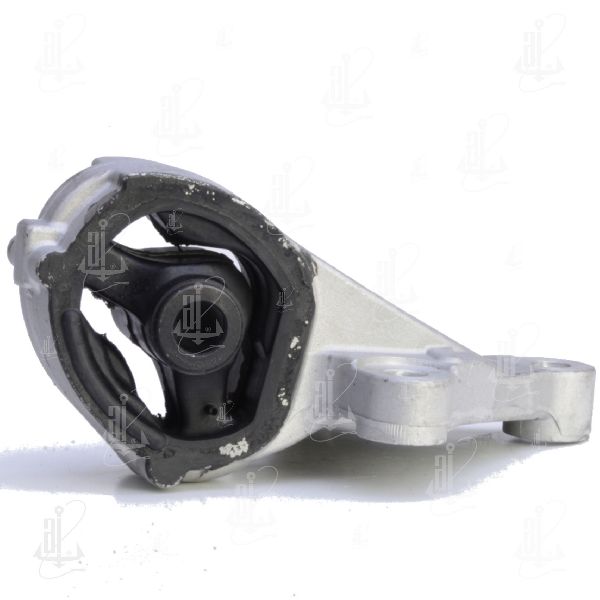
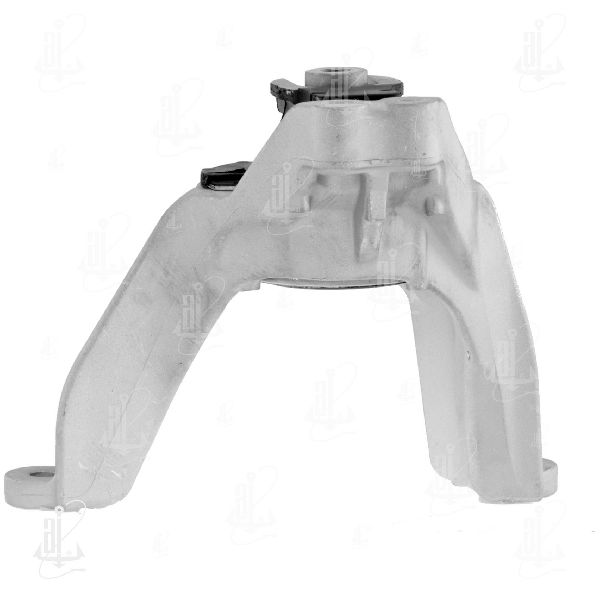
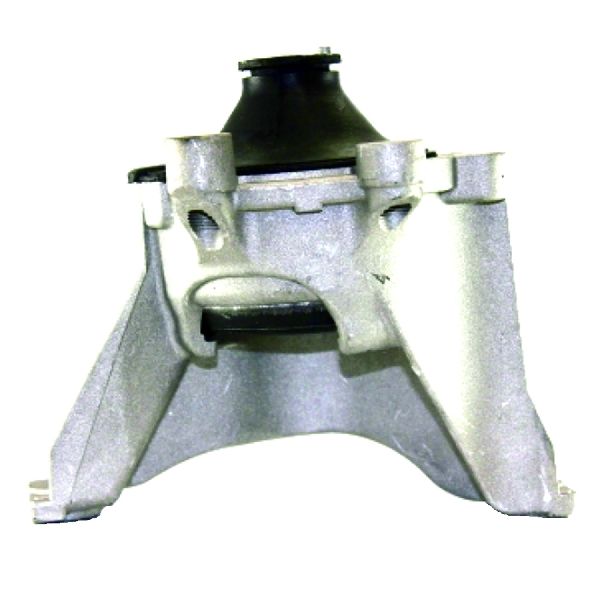
The Honda CR-V uses a system of multiple mounts, including a primary passenger-side (right) hydraulic mount, a front mount, a rear mount, and transmission mounts/torque struts. The exact number and design vary by generation (2008-2011, 2012-2016, 2017-2022). The passenger-side mount is the most critical for vibration damping.
We Have This Part in Stock

The information in this article is provided for general reference and educational purposes only. Vehicle specifications, procedures, and part compatibility can vary by production date, trim level, and region. Always consult your vehicle's factory service manual and verify part numbers before purchasing or performing repairs. Safety-critical components such as airbags, seat belts, and braking systems should be installed by a qualified professional.
- Honda CR-V: