

Dodge Charger Coolant Temperature Sensor Guide (2008-2021)
Understand the signs of a failing coolant sensor and how to fix it on your Charger.
- A bad coolant sensor can cause a Check Engine Light, poor fuel economy, rough idle, and overheating.
- The sensor's location is different for V6 and V8 engines, so verify your engine before replacement.
- This is a feasible DIY replacement that can be done in under an hour with basic tools.
- No specific recalls or TSBs exist for this sensor on the 2008-2021 Charger; failures are from normal wear.
Is Your Charger's Coolant Sensor Failing?

When the coolant temperature sensor on your 2008-2021 Dodge Charger starts to go bad, it sends incorrect information to the engine's computer. This can lead to a variety of issues that you might notice while driving. Ignoring these signs can lead to poor performance, bad gas mileage, and even engine damage from overheating.
Symptoms of a Bad Coolant Temperature Sensor

Here are the most common signs that your Charger's ECT sensor needs to be replaced:
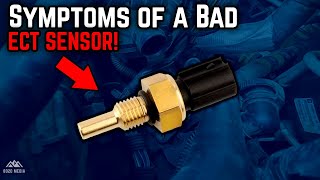
🎬 Watch this video to see common symptoms of a bad sensor.- Check Engine Light: This is often the first warning. The computer will log a fault code, typically P0117 (Circuit Low) or P0118 (Circuit High). 🎬 Learn more about what a P0118 engine code means.
- Poor Fuel Economy: If the sensor incorrectly tells the computer the engine is cold, it will inject more fuel than necessary, wasting gas.
- Engine Overheating or Running Too Cool: A bad sensor may not turn on the cooling fans when needed, causing the engine to overheat. Conversely, it might make the fans run all the time, preventing the engine from reaching its ideal operating temperature.
- Black Smoke from Exhaust: An overly rich fuel mixture, caused by a bad sensor reading, can result in unburned fuel burning in the exhaust, creating black smoke.
- Rough Idle: The wrong fuel mixture can make the engine shake, vibrate, or idle poorly.
- Inaccurate Temp Gauge: The temperature gauge on your dashboard might behave erratically, stay on cold, or suddenly jump to hot.
Known Issues, Recalls, and TSBs
Based on searches of the National Highway Traffic Safety Administration (NHTSA) database, there are no widespread recalls or Technical Service Bulletins (TSBs) specifically for the engine coolant temperature sensor on 2008-2021 Dodge Charger models. Failures are generally due to normal wear and tear over time. Some related recalls for other sensors or cooling system components have been issued for specific model years, but not for the ECT sensor itself.
Choosing the Right Aftermarket Part: OEM vs. Aftermarket

When replacing the ECT sensor, you have a choice between OEM (Original Equipment Manufacturer) and aftermarket parts. For a simple and critical sensor like this, the choice matters.
- OEM: These are the same parts your Charger was built with. They guarantee perfect fit and correct resistance values for accurate temperature readings. The downside is a higher cost.
- Aftermarket (Replacement): Aftermarket sensors are a cost-effective alternative. A quality aftermarket sensor from a reputable brand can offer performance similar to OEM. However, some very low-cost, unbranded sensors can have different resistance curves, leading to slightly inaccurate readings that affect fuel trim and fan activation. For a critical component like the ECT sensor, sticking to a well-known aftermarket brand or OEM is a safe bet.
Pro Tip: Location Varies by Engine
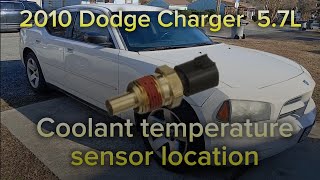
Before you buy, know your engine. On 3.6L V6 models, the sensor is on the rear of the driver's side cylinder head. On 5.7L & 6.4L V8 HEMI engines, it's located on the front of the engine, in the water pump housing area below the air intake tube.
Cost to Replace a Dodge Charger Coolant Temperature Sensor
| Part/Service | Estimated Cost |
|---|---|
| New Aftermarket Sensor | $17 - $21 |
| New OEM Mopar Sensor | $296 - $348 |
| Shop Labor | $71 - $105 |
| Total Professional Replacement (Aftermarket Part) | $88 - $126 |
| Total Professional Replacement (OEM Part) | $367 - $453 |
Cost estimates are based on national averages and may vary by location and specific vehicle configuration.
Frequently Asked Questions

Can I drive my Charger with a bad coolant temperature sensor?
You can drive for a short time, but it is not recommended. A faulty sensor can lead to poor fuel economy, rough running, and a risk of engine damage from overheating. It's best to get it replaced as soon as possible.
Is replacing the coolant sensor a DIY job?
Yes, for most people with basic tools, this is a straightforward DIY repair. It typically takes under an hour. The main steps involve partially draining the coolant, unscrewing the old sensor, installing the new one, and topping off the coolant.
🎬 Follow this step-by-step guide to replace your coolant sensor.What tools do I need to replace the sensor?
You will generally need a socket and ratchet set (a deep socket is often required), a drain pan for coolant, and a flathead screwdriver to release the electrical connector clip.
What are the common trouble codes for a bad ECT sensor?
The most common codes are P0117 (Engine Coolant Temperature Sensor Circuit Low), P0118 (Engine Coolant Temperature Sensor Circuit High), and P0128 (Coolant Temperature Below Thermostat Regulating Temperature).
Helpful Videos

Technical Specifications
OEM Part Numbers: 5149077AB 5149077AA
The sensor is a thermistor, meaning its electrical resistance changes with temperature. The ECU reads this resistance to determine coolant temperature. It is typically a two-pin sensor that threads into a coolant passage in the engine block, cylinder head, or thermostat housing.

The information in this article is provided for general reference and educational purposes only. Vehicle specifications, procedures, and part compatibility can vary by production date, trim level, and region. Always consult your vehicle's factory service manual and verify part numbers before purchasing or performing repairs. Safety-critical components such as airbags, seat belts, and braking systems should be installed by a qualified professional.
- Dodge Charger: