

Chrysler 300 Coolant Temperature Sensor Guide (2008-2021)
Understand the symptoms of a failing coolant temperature sensor in your Chrysler 300 and how to choose the right replacement part.
- A bad coolant sensor on a Chrysler 300 often causes a Check Engine Light with codes P0117 or P0118.
- Symptoms include poor gas mileage, rough idle, and potential engine overheating.
- Replacement is a simple DIY task for most engines, typically taking less than 30 minutes.
- While OEM Mopar parts are a safe bet, a quality aftermarket sensor provides a reliable, cost-effective repair.
Is Your Chrysler 300 Showing Signs of a Bad Coolant Sensor?

A faulty Engine Coolant Temperature (ECT) sensor can cause a range of confusing issues for Chrysler 300 owners. Because this small sensor provides vital data to the engine computer, its failure can mimic other problems. Common symptoms include a Check Engine Light, poor fuel economy, an engine that runs rough, or cooling fans that either run constantly or not at all. Understanding these signs is the first step to a quick and affordable repair.
Key Failure Symptoms
- Check Engine Light: The most common sign. Codes like P0117 (Circuit Low) or P0118 (Circuit High) often point directly to the sensor or its wiring.
- Poor Fuel Economy: If the sensor incorrectly tells the computer the engine is cold, the system will inject too much fuel, wasting gas.
- Engine Overheating: A failed sensor may not signal the computer to turn on the cooling fans when needed, leading to a dangerously hot engine.
- Black Smoke from Exhaust: An overly rich fuel mixture from a bad sensor signal can lead to unburnt fuel burning in the exhaust, creating black smoke.
- Rough Idle: The engine may shake or run poorly because the computer is using incorrect data to manage the air-fuel mixture.
Choosing a Replacement Sensor: OEM vs. Aftermarket

When replacing the coolant temperature sensor on your Chrysler 300, you have two main choices: a genuine Mopar (OEM) part or an aftermarket part. For critical electronic sensors, many experienced mechanics and owners prefer to use OEM parts, as they are guaranteed to match the vehicle's original specifications. However, quality aftermarket brands produce reliable sensors that meet or exceed OEM standards and are a cost-effective solution. Given that the replacement process is relatively simple for most Chrysler 300 engines, a quality aftermarket sensor is a sensible choice for a DIY repair.
Pro Tip: Is it the Sensor or the Thermostat?

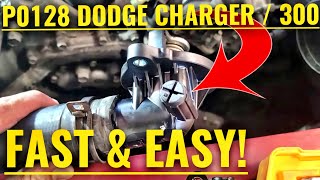
A common trouble code, P0128 (Coolant Thermostat Rationality), indicates the engine isn't warming up as expected. While a bad ECT sensor can cause this, it's more often caused by a thermostat that is stuck open. If you see this code, it's wise to inspect the thermostat first, as it is the more likely culprit.
Cost of Replacing a Chrysler 300 Coolant Temperature Sensor
The cost can vary depending on your vehicle's year and engine, and whether you do the job yourself or hire a professional.
| Part/Service | Estimated Cost |
|---|---|
| New Aftermarket Sensor | $20 - $45 |
| New OEM (Mopar) Sensor | $40 - $75 |
| Shop Labor | $62 - $91 |
| Total Professional Replacement | $82 - $166 (plus taxes & fees) |
Frequently Asked Questions

Where is the coolant temperature sensor located on my Chrysler 300?
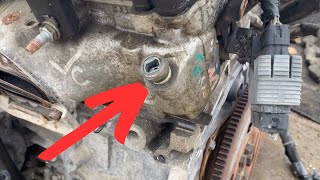
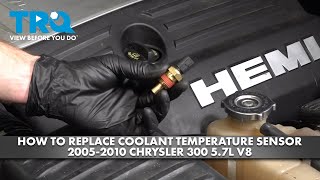
The location varies by engine. For the 3.5L V6 (2008-2010), it's at the front of the engine in the middle. For the 3.6L V6 (2011-2021), it's on the front of the engine on the right (passenger) side. For the 5.7L HEMI V8, it's located below the throttle body near the thermostat housing. Always allow the engine to cool completely before working on the cooling system.
Can I replace the sensor myself?
Yes, this is a very DIY-friendly job for most home mechanics. It typically requires basic tools like a socket set. You will lose a small amount of coolant, so it's best to have the new sensor ready to install quickly to minimize the loss.
Are there any recalls for the coolant temperature sensor on the 2008-2021 Chrysler 300?
No, a search of the National Highway Traffic Safety Administration (NHTSA) database shows no recalls specifically for the coolant temperature sensor on these models. There are recalls for other issues, but none related to this specific part.
What happens if I don't replace a bad sensor?
Ignoring a faulty ECT sensor can lead to more serious problems. Persistently poor fuel economy costs you money, and an engine that overheats due to cooling fans not activating can cause severe and expensive engine damage. It's best to address the issue as soon as possible.
Helpful Videos


Technical Specifications
OEM Part Numbers: 5149077AB 5269870AB 68164627AA 5149096AB
The sensor is a two-terminal, blade-style thermistor that screws into a coolant passage on the engine. Its resistance changes with coolant temperature, sending a variable voltage signal to the PCM.

The information in this article is provided for general reference and educational purposes only. Vehicle specifications, procedures, and part compatibility can vary by production date, trim level, and region. Always consult your vehicle's factory service manual and verify part numbers before purchasing or performing repairs. Safety-critical components such as airbags, seat belts, and braking systems should be installed by a qualified professional.
- Chrysler 300: