

Kia Optima Serpentine Belt Replacement Guide (2008-2020)
Everything you need to know about choosing the right serpentine belt for your 2008-2020 Kia Optima.
- Confirm your exact engine (1.6T, 2.0T, 2.4L, Hybrid) before buying, as belt sizes differ.
- Symptoms include squealing noises, visible cracks, dim headlights, and A/C failure.
- Do not drive if you suspect the belt is failing; it can cause engine overheating and leave you stranded.
- For high-mileage vehicles, it's best to replace the belt, tensioner, and idler pulleys together as a kit.
Is Your Kia Optima Serpentine Belt Failing?

A serpentine belt has a tough job, and it won't last forever. When it starts to wear out, it gives clear warning signs. Ignoring them can lead to a sudden breakdown and expensive engine damage. Look for these common symptoms.
Key Symptoms of a Bad Serpentine Belt
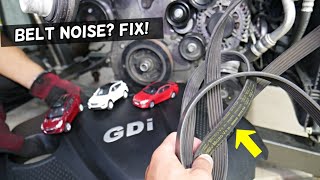
- Squealing or Chirping Noises: 🎬 Listen to what a failing belt sounds like on this engine. This is the most common sign. You may hear a high-pitched squeal or chirp from the engine, especially when you first start the car, accelerate, or turn on the A/C. This noise means the belt is slipping.
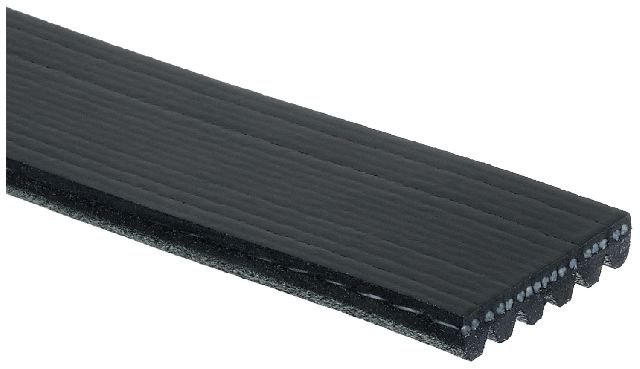
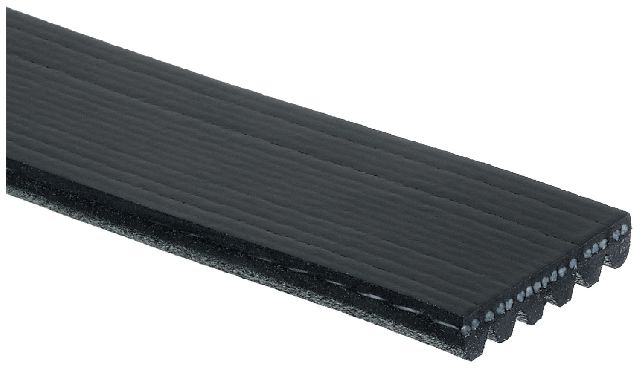
- Visible Wear and Tear: Pop the hood and look at the belt. If you see cracks, frayed edges, missing pieces, or a smooth, shiny surface on the ribbed side, it's time for a replacement.
- Accessory Problems: If your headlights are dim, the battery light is on, the A/C blows warm air, or steering feels heavy, the belt may not be powering those components correctly.
- Engine Overheating: On many Optima engines, the serpentine belt turns the water pump. If the belt slips or breaks, the engine can overheat very quickly, which is a critical issue.
Can I Drive with a Bad Serpentine Belt?
No. If the belt breaks, you will lose power to critical components. The alternator will stop charging the battery, causing your car to stall and not restart. More importantly, if the belt drives your water pump, the engine will overheat, potentially causing catastrophic damage. If you suspect your belt is failing, get it replaced immediately.
Choosing the Right Aftermarket Serpentine Belt

The 2008-2020 Kia Optima came with several different engines (1.6L Turbo, 2.0L Turbo, 2.4L, and Hybrid models), and each requires a specific belt length and rib count. Always confirm the part fits your exact year and engine before buying. For this part, aftermarket quality is excellent and offers significant savings over OEM parts.
Aftermarket Brand Tiers
- Premium Aftermarket (Gates, Continental): These brands are top-tier in the aftermarket world. They often use EPDM rubber compounds that resist cracking and heat just as well as, or even better than, the original factory belt. Gates, for example, promotes its belts as matching OE performance and construction. Continental is another trusted name known for quiet operation and durability.
- Standard Aftermarket (Dayco): Dayco is a well-known brand that offers a great balance of quality and price. Their belts are a reliable choice for daily driving and meet or exceed OEM specifications. Many professional repair shops use Dayco belts.
For the Kia Optima, you can confidently choose a belt from any of these three brands. The most important factor is ensuring you have the correct part number for your specific engine.
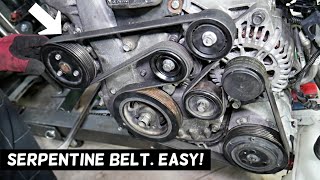
Pro Tip: Replace the Tensioner 🎬 See how to replace the tensioner pulley during your belt service. and Pulleys
The serpentine belt works with a tensioner and one or more idler pulleys. These parts have bearings that wear out over time. A common cause of belt failure is a seized pulley or a weak tensioner. Mechanics strongly recommend replacing the belt, tensioner, and idler pulleys as a kit, especially on vehicles with over 60,000 miles. This prevents the new belt from being damaged by old, failing parts.
Cost to Replace a Kia Optima Serpentine Belt

Here is a general cost breakdown. Prices can vary based on your location and specific engine type.
| Part Type | Part Cost | Labor Cost | Total Estimated Cost |
|---|---|---|---|
| New OEM | $45 - $65 | $85 - $125 | $130 - $190 |
| New Aftermarket | $28 - $70 | $85 - $125 | $113 - $195 |
Frequently Asked Questions (FAQ)

When should I replace my Optima's serpentine belt?
There is no universal replacement interval, but a good rule of thumb is to inspect it after 40,000 miles and every year after that. Most modern EPDM belts last between 60,000 and 100,000 miles. However, you should replace it immediately if it shows any signs of cracking, fraying, or causes noise.
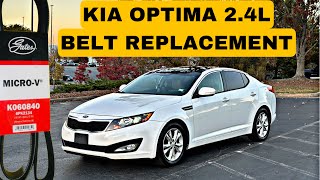
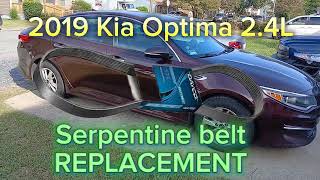
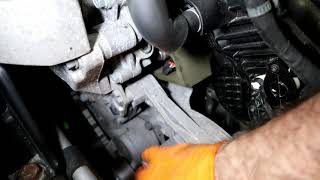
Is this a difficult DIY job? 🎬 Watch this step-by-step guide for replacing the belt yourself.
For a home mechanic with the right tools, it's an intermediate-level job that takes about 1-2 hours. Access can be tight, and it usually requires removing the passenger-side front wheel and splash shield. You will need a long wrench or breaker bar to release the belt tensioner.
Do I need a special tool for the tensioner?
Usually, no. Most Kia Optima models have a tensioner with a standard hex bolt head (often 14mm or 17mm) that you can turn with a standard wrench or socket to release the tension. Some older models or different engines might have a square hole for a 3/8" or 1/2" drive ratchet or breaker bar.
My Optima has two belts. Which one is the serpentine belt?
Some Optima engines, particularly the 2.4L GDI, use two belts. The main, larger belt is the serpentine belt that runs the alternator and A/C. The second, smaller belt is often a "stretch belt" that only runs the water pump. If replacing one, it's a good idea to replace both at the same time.
What is the most common mistake when ordering?
The most common mistake is ordering a belt for the wrong engine. The 2008-2020 Optima had 1.6T, 2.0T, 2.4L, and two different hybrid powertrains. These engines use different belts. Use your vehicle's VIN or select the exact engine type when purchasing to guarantee a perfect fit.
Helpful Videos
Technical Specifications
OEM Part Numbers: 25212-2B720 25212-2G760 25212-2G652 25212-2E660 25212-2E651
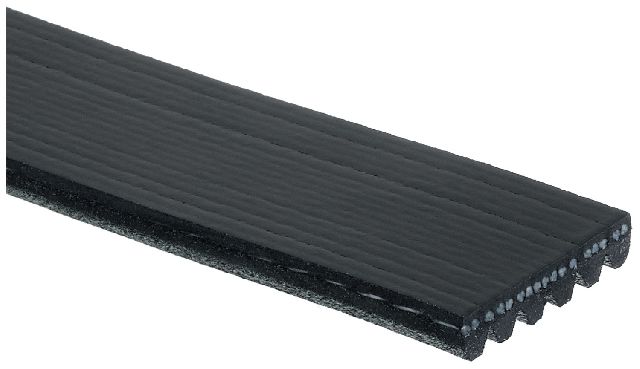
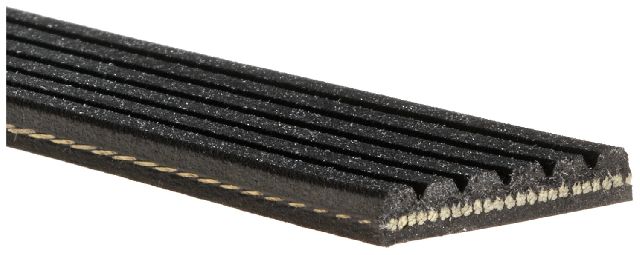
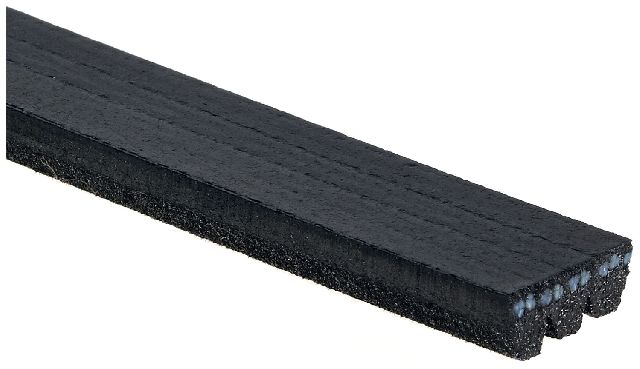
Varies by engine. Made of EPDM rubber with multiple ribs (grooves). Length and rib count must match the original part for your specific Optima engine.
We Have This Part in Stock

The information in this article is provided for general reference and educational purposes only. Vehicle specifications, procedures, and part compatibility can vary by production date, trim level, and region. Always consult your vehicle's factory service manual and verify part numbers before purchasing or performing repairs. Safety-critical components such as airbags, seat belts, and braking systems should be installed by a qualified professional.
- Kia Optima: