

Audi A4 Mass Air Flow Sensor Guide: Symptoms, Brands, and Replacement (2008-2020)
If your Audi A4 feels sluggish or has a rough idle, a failing Mass Air Flow sensor could be the reason.
- A bad MAF sensor on an A4 causes hesitation, rough idle, and poor MPG before the Check Engine Light always appears.
- For this part, stick to OEM brands like Bosch and Hitachi or high-quality OE-equivalents like Delphi to avoid problems.
- Replacement is a simple DIY task that takes less than 30 minutes and only requires basic tools.
- Always check for vacuum leaks or a dirty air filter first, as these can cause the same symptoms as a bad MAF sensor.
Is Your Audi A4 Running Rough? It Could Be the MAF Sensor

A failing Mass Air Flow (MAF) sensor can cause frustrating problems that are sometimes hard to diagnose. The sensor doesn't always fail completely at once. Instead, it often becomes inaccurate over time, sending the wrong information to your engine's computer. This can make your car feel "off" long before a Check Engine Light appears.
Common Symptoms of a Bad MAF Sensor
- Sluggish and Hesitant Acceleration: The car feels weak or delayed when you press the gas pedal, especially when accelerating gently.
- Rough Idle: The engine shakes or the RPMs hunt up and down when you're stopped, and it might get worse when the A/C is on.
- Poor Fuel Economy: You may notice you're filling up the gas tank more often because the engine is running too rich (too much fuel).
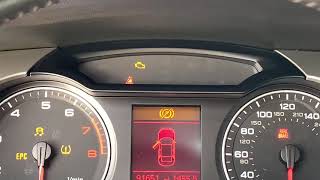
- Check Engine Light: Eventually, the car's computer will detect a problem and turn on the Check Engine Light. The most common trouble code is P0101, which points to a MAF sensor performance issue. 🎬 Watch: How to fix a P0101 check engine light code.
- Hard Starts or Stalling: The engine may be difficult to start or may stall shortly after starting.
Choosing the Right Aftermarket MAF Sensor


For a sensitive electronic part on an Audi, the brand you choose matters. Cheap, no-name sensors often use lower-quality components that aren't calibrated correctly for your A4's engine, leading to continued performance problems. It is often better to buy a quality used OEM sensor than a cheap new aftermarket one. Here’s how the available brands generally stack up.
Tier 1: OEM & OE-Equivalent Brands
These are the safest choices for reliability and performance, as they are either the original factory parts or made by companies that supply Audi directly.
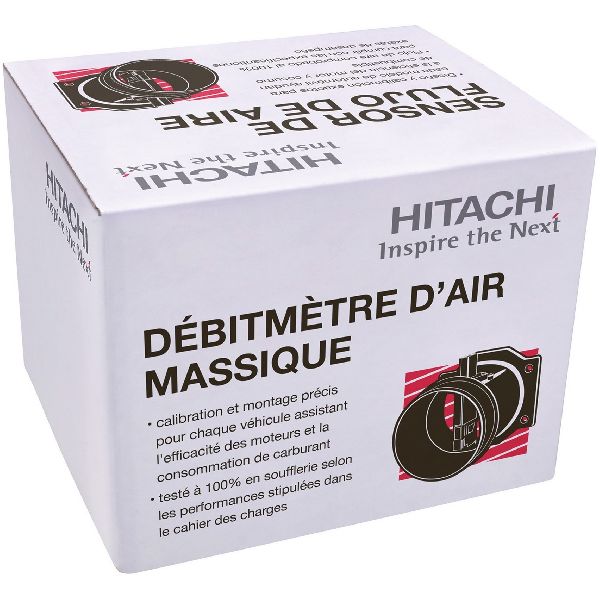
- Bosch & Hitachi: These are the original equipment manufacturers for the Audi A4. Choosing one of these is the closest you can get to buying the part from an Audi dealer. Forum users consistently recommend sticking with these brands for a trouble-free repair.
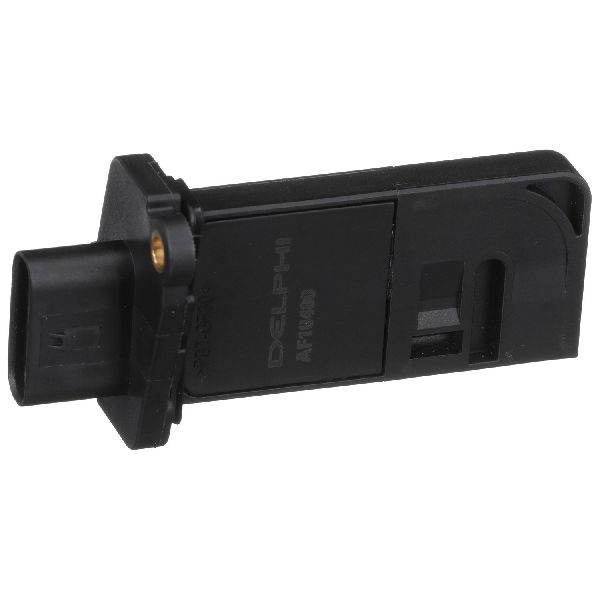
- Delphi: Delphi is a major OE manufacturer for many car brands and has a strong reputation for producing high-quality sensors that meet or exceed factory specifications. They are a reliable alternative to Bosch or Hitachi.
Tier 2: Reputable Aftermarket Brands
These brands are known for producing quality parts and are a good balance between price and reliability.
- Hella: A well-respected German company that produces a wide range of quality automotive parts.
- Standard Ignition (SMP): A long-standing brand known for quality electronic components.
- NGK: While best known for spark plugs, NGK also produces a line of engine management sensors, including MAF sensors.
- Walker Products: This brand emphasizes its OE-quality standards and USA-based manufacturing for many of its sensors.
Tier 3: Economy Brands
These brands offer the lowest prices but come with a higher risk of performance issues or premature failure. They may be an option for a tight budget, but be aware of the potential for problems.
- Cardone: Often offers remanufactured parts. Quality can be inconsistent.
- Spectra, DriveWire, Global Parts: These are value-focused brands. Some users have reported issues like rough idling or incorrect shifting immediately after installing sensors from these brands on other vehicles.
Cost of Replacing an Audi A4 MAF Sensor

| Part Type | Estimated Cost |
|---|---|
| New OEM (from dealer) | $280 - $760 |
| New Aftermarket (OEM-quality) | $120 - $340 |
| New Aftermarket (Economy) | $68 - $120 |
| Shop Labor | $60 - $90 |
Frequently Asked Questions
Can I clean my MAF sensor instead of replacing it?
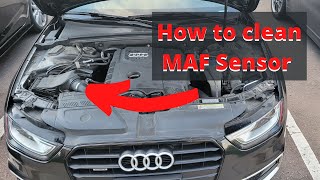
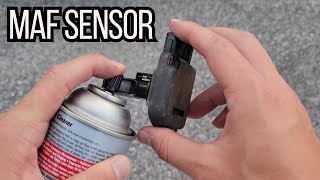
Sometimes, yes. If the sensor is just dirty, cleaning it with a special MAF sensor cleaner spray can restore its function. However, if the sensor's electronics have failed or drifted out of calibration, cleaning won't help and replacement is the only fix. Cleaning is often a good first step, but it may only be a temporary solution.
🎬 See this step-by-step guide for cleaning your Audi's sensor.Is it hard to replace the MAF sensor myself?
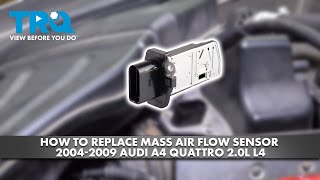
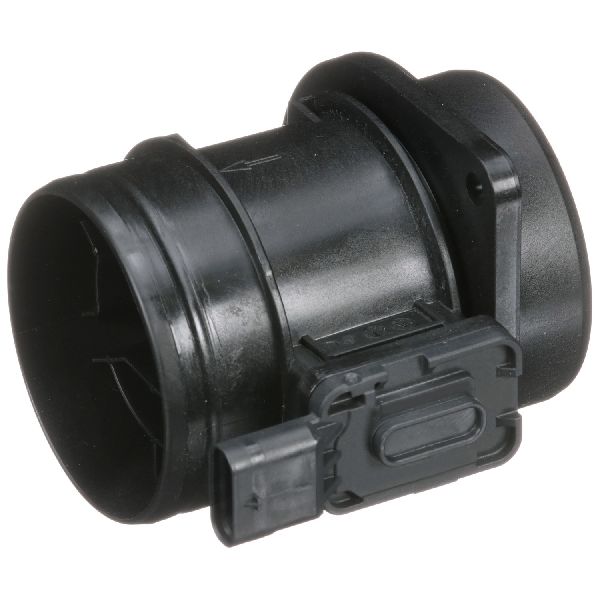
No, this is a very easy DIY job for most owners. The MAF sensor is located on the air intake tube right after the air filter box. It is usually held in place by two Torx screws and has one electrical connector. The job typically takes less than 30 minutes with basic tools.
🎬 Watch: A quick walkthrough of the MAF sensor replacement process.What happens if I just unplug my bad MAF sensor?
If you unplug the sensor, the engine's computer will switch to a default, pre-programmed mode. Sometimes, the engine may actually run smoother this way, which is a strong sign the sensor is bad. However, driving like this long-term is not recommended, as performance and fuel economy will be poor, and it could damage other components like the catalytic converter.
Are there any recalls for the Audi A4 MAF sensor?
No, there are no specific recalls issued by the NHTSA for the Mass Air Flow sensor on the 2008-2020 Audi A4 models.
Helpful Videos

Technical Specifications
OEM Part Numbers: 06J906461D 06F906461A 04L906461B
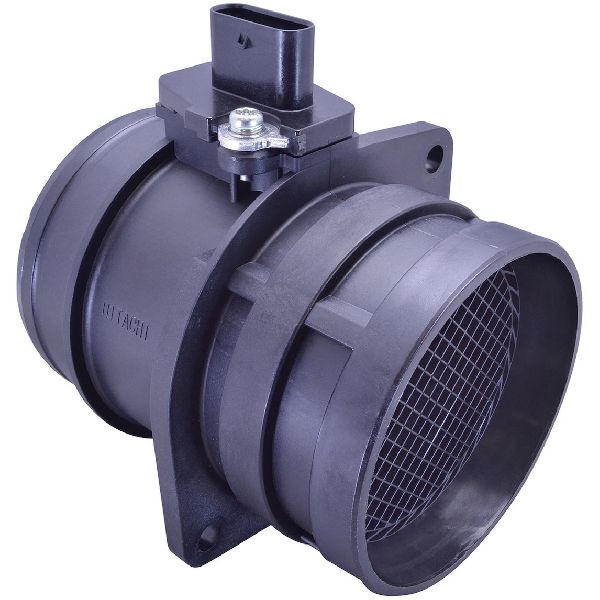
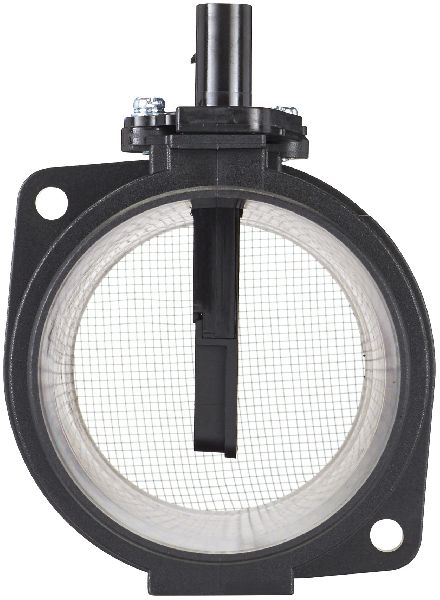
The MAF sensor for the Audi A4 (B8/B9) is typically a 4-pin or 5-pin hot-film type sensor located in the intake tract directly after the air filter housing. It is crucial to match the OEM part number from your existing sensor, as different engines and model years use different calibrations.
We Have This Part in Stock

The information in this article is provided for general reference and educational purposes only. Vehicle specifications, procedures, and part compatibility can vary by production date, trim level, and region. Always consult your vehicle's factory service manual and verify part numbers before purchasing or performing repairs. Safety-critical components such as airbags, seat belts, and braking systems should be installed by a qualified professional.
- Audi A4: