

A Guide to Replacing the Engine Oil Pan on Your 2008-2019 Volkswagen Beetle
Leaking oil or a stripped drain plug? Here’s what you need to know before buying a new oil pan for your Beetle.
- The most common failures are cracks from road debris and stripped drain plugs from overtightening.
- If your Beetle has a plastic pan, an aftermarket steel or aluminum pan is a recommended durability upgrade.
- Replacing the lower pan is DIY-friendly, but requires careful cleaning of the engine surface and proper use of sealant.
- Brand matters: Vaico and URO are often seen as higher-quality, while Dorman and Spectra can be hit-or-miss, especially regarding their drain plugs.
Is Your Beetle's Oil Pan Failing?

The most common reasons to replace an oil pan on a 2008-2019 VW Beetle are direct physical damage or a stripped drain plug. Hitting a rock, large pothole, or road debris can crack or puncture the pan, leading to a severe oil leak. The drain plug threads, especially on aluminum pans, can get stripped from being overtightened during oil changes, causing a persistent leak. While some engines came with durable steel pans, others used a plastic (composite) pan which can become brittle and crack from impact.
Symptoms of a Bad Oil Pan

The signs of a failing oil pan are usually easy to spot. Look for oil drips or puddles under your car, especially below the engine. You might see a low oil level warning light on your dashboard or notice the oil level is consistently low when you check the dipstick. In severe cases of damage, you might see a rapid, active leak. If you see a major leak, you should stop the engine immediately to prevent catastrophic engine damage.
Critical Warning: Do Not Ignore Oil Leaks
Driving with a low oil level can lead to severe engine wear and complete failure. If you suspect a significant oil pan leak, have the vehicle towed. Running the engine out of oil is one of the most expensive mistakes a car owner can make.
Choosing the Right Aftermarket Oil Pan

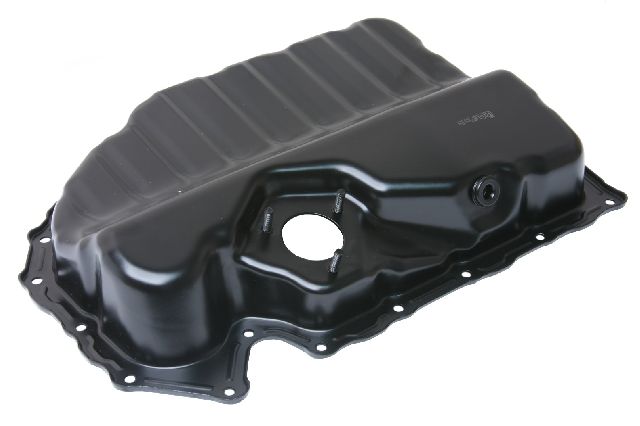
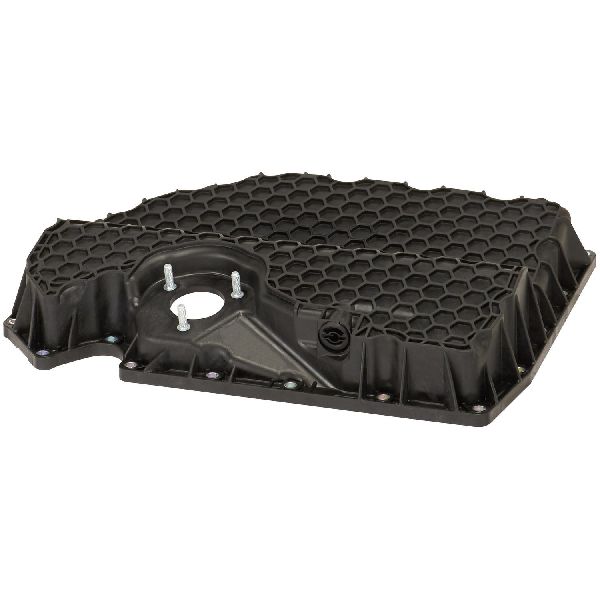
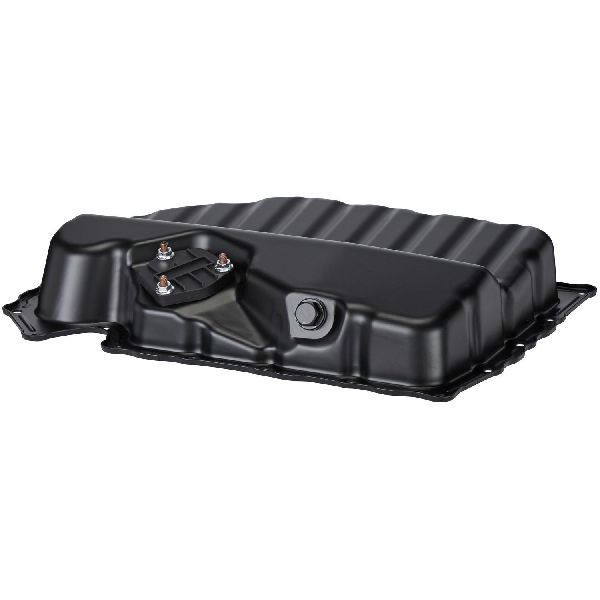
When shopping for a new oil pan, you'll find options made from steel, aluminum, and sometimes plastic, just like the original. Your choice depends on your budget and priorities.
Brand Quality Tiers
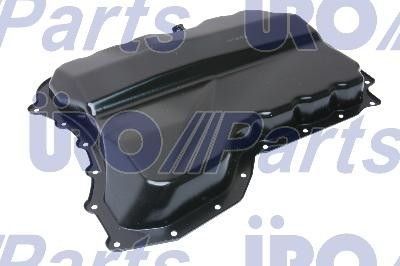
- Premium Aftermarket (Vaico, URO Parts Premium): Vaico is a German brand with a reputation for quality parts for European vehicles. URO Parts offers upgraded pans, such as aluminum replacements for factory plastic pans, which can improve durability. However, be aware that some URO parts may require minor modifications for a perfect fit, and some users recommend re-sealing their hybrid pans before installation.
- Standard Aftermarket (Dorman, Spectra): Dorman is a widely available brand that offers direct-fit replacements. Their "OE FIX" line often aims to correct original design flaws, like replacing a plastic pan with a metal one. Spectra is another common option. However, reviews for both brands can be mixed. Some owners report perfect fitment, while others have had issues with leaky drain plugs right out of the box. Some forum members believe Dorman and Spectra pans can be identical products from the same factory.
- Budget-Friendly (ATP, other store brands): While brands like ATP are available, they are less known for engine components. These pans can be a cost-effective solution, but quality and fitment can be inconsistent. For a critical part like an oil pan, sticking with a more established brand is often a safer bet.
Pro Tip: Steel vs. Aluminum vs. Plastic
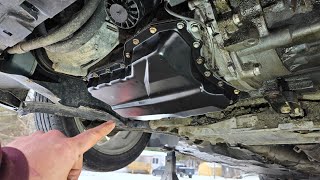
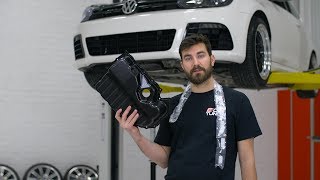
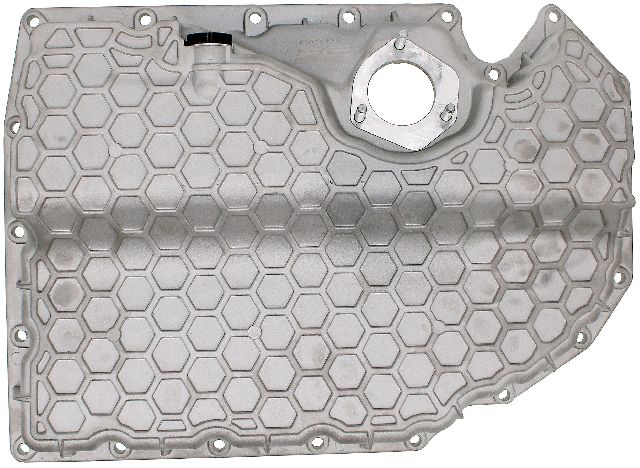
For Beetle models with 1.8T or 2.0T engines that may have a plastic OEM pan, upgrading to a stamped steel or cast aluminum pan is a popular choice for better protection against road debris. 🎬 Watch this guide on converting to a durable steel oil pan. Steel pans tend to dent on impact, while aluminum and plastic are more likely to crack or shatter. For the common 2.5L engine, the original pan is typically already made of steel.
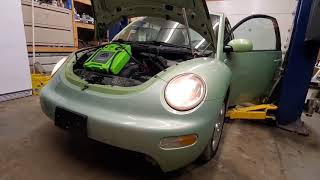
🎬 Watch a mechanic replace the oil pan on a 2.5L engine.Estimated Replacement Costs
The cost to replace an oil pan can vary based on your engine and the shop's labor rate. The part itself is affordable, but labor makes up a significant portion of the bill.
| Part/Service | Estimated Cost |
|---|---|
| New OEM Oil Pan | $250 - $400+ |
| New Aftermarket Oil Pan | $56 - $293 |
| Shop Labor | $215 - $315 |
| Total Professional Replacement | $450 - $700+ |
Frequently Asked Questions (FAQ)

Is there a recall on the 2008-2019 Beetle oil pan?
No, there are no specific recalls from Volkswagen or the NHTSA for the engine oil pan on these models.
Can I replace the oil pan myself?
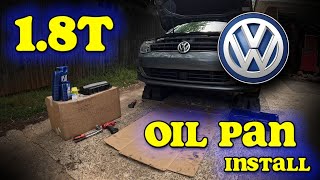
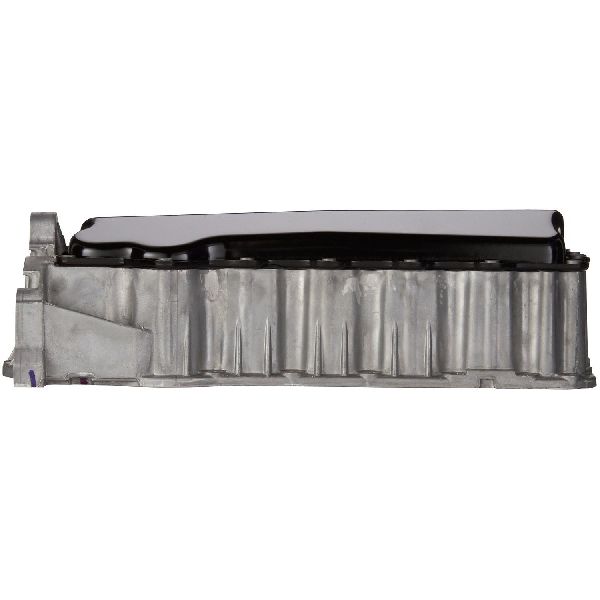
Yes, replacing the lower oil pan is a manageable DIY project for someone with mechanical experience. It involves draining the oil, removing about 20-25 small bolts, cleaning the engine block surface thoroughly, and installing the new pan with a new gasket. 🎬 See a step-by-step walkthrough for replacing a 2.0T oil pan. However, if the upper oil pan is damaged, it is a much more complex job that often requires removing the engine or transmission.
Do I need to use sealant (RTV) with the new gasket?
Yes. Even when using a pre-formed gasket, it is standard practice on these engines to apply a small dab of RTV sealant at the corner joints where different engine components meet to prevent leaks.
My mechanic says the leak is just "sweating." What does that mean?
A Volkswagen Technical Service Bulletin (TSB) from 2005 explains that minor fluid residue or "sweating" where the pan meets the engine, without active drips forming, can be normal and may not require immediate repair. However, if you see droplets forming or oil hitting the ground, the leak needs to be fixed.
I have an oil leak near the back of the engine. Is it the oil pan?
It could be, but it's important to diagnose it correctly. VW issued a TSB (00 17 03) for 2015-2017 models because rust inhibitors used during manufacturing could wash out of the transmission bell housing and be mistaken for an engine oil leak. Always clean the area and confirm the source of the leak before ordering parts.
Helpful Videos
Technical Specifications
OEM Part Numbers: 07K103600L 06J103600AF 06A103601T 07K103600A
Material can be stamped steel, cast aluminum, or a plastic/composite. Pan must be matched to the specific engine (e.g., 2.5L, 2.0T, 1.8T, TDI) and checked for an oil level sensor port if applicable to your vehicle.
We Have This Part in Stock

The information in this article is provided for general reference and educational purposes only. Vehicle specifications, procedures, and part compatibility can vary by production date, trim level, and region. Always consult your vehicle's factory service manual and verify part numbers before purchasing or performing repairs. Safety-critical components such as airbags, seat belts, and braking systems should be installed by a qualified professional.
- Volkswagen Beetle: