

A/C Compressor Replacement Guide for the 2008-2019 Jeep Wrangler
Don't get stuck with warm air; here's what you need to know before replacing your Wrangler's A/C compressor.
- First, confirm if your Wrangler has the 3.8L (2008-2011) or 3.6L (2012-2018) engine, as they require different compressors.
- If you have a 3.6L engine, be aware of catastrophic "black death" failure; inspect for metal shavings when the old part is removed.
- Always replace the receiver/drier and expansion valve with the compressor, preferably as a kit, to ensure a lasting repair and validate the warranty.
- Professional installation is strongly recommended due to the need for specialized refrigerant handling equipment.
Engine Differences Matter

Before buying a new A/C compressor for your Jeep Wrangler, you must identify your engine. The 2008-2019 year range covers two different engines in the popular 'JK' generation and the start of the 'JL' generation.
- 2008-2011 Jeep Wrangler (JK): These models use a 3.8L V6 engine.
- 2012-2018 Jeep Wrangler (JK): These models use the 3.6L V6 Pentastar engine.
- 2018-2019 Jeep Wrangler (JL): These models also use a 3.6L V6, but components can differ from the JK.
The A/C compressors for the 3.8L and 3.6L engines are different and are not interchangeable. Always verify the part fits your specific year and engine before purchasing.
Known Issue: Catastrophic Failure or "Black Death"
Wranglers with the 3.6L engine (2012-2018) are known for a severe type of compressor failure nicknamed "black death". This is when the compressor's internal parts break apart, sending metal shavings and contaminated black oil throughout the entire A/C system. This debris clogs the condenser, expansion valve, and lines. If this happens, simply replacing the compressor is not enough. The new compressor will fail almost immediately. To fix it correctly, you must also replace the condenser, receiver/drier, and expansion valve, and thoroughly flush all A/C lines.
Choosing the Right Aftermarket Compressor

You don't have to buy from the dealer to get a quality part. Aftermarket brands offer a good range of options, but quality can vary. Here’s a breakdown of the most common brands available.
Tier 1: OEM & OE-Equivalent Quality
- Mopar: This is the Original Equipment Manufacturer (OEM) part, the same one your Jeep was built with. It's a guaranteed fit but comes at the highest cost.
- Denso: Denso is an original equipment supplier for many automakers and is widely considered the highest quality aftermarket brand. Their compressors are known for durability and quiet operation, built to factory standards.
- Mando: Mando is another well-regarded Original Equipment (OE) supplier. Choosing a Mando compressor is a reliable way to get factory-part quality without the dealership price tag.
Tier 2: Reputable Aftermarket
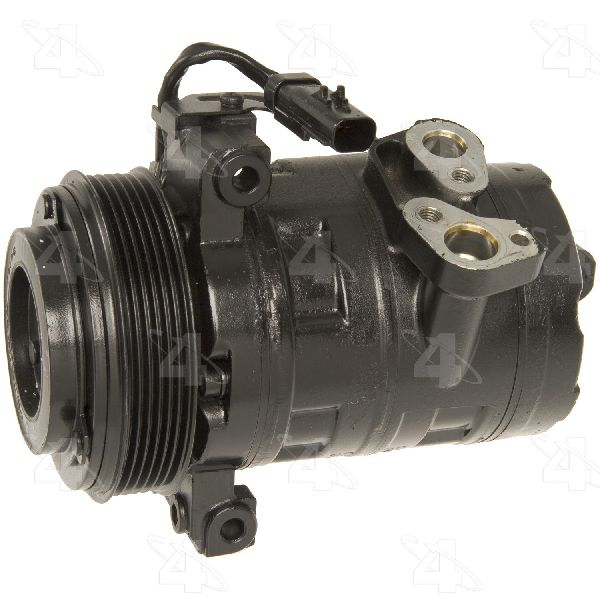
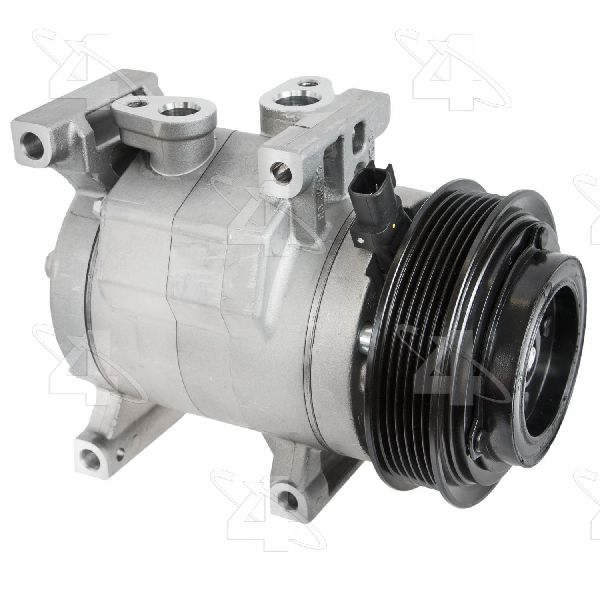
- Four Seasons: One of the most common and widely available aftermarket brands, Four Seasons offers a cost-effective solution. While they are a solid mid-tier option, some users report occasional inconsistencies, so it's wise to verify pre-filled oil levels.
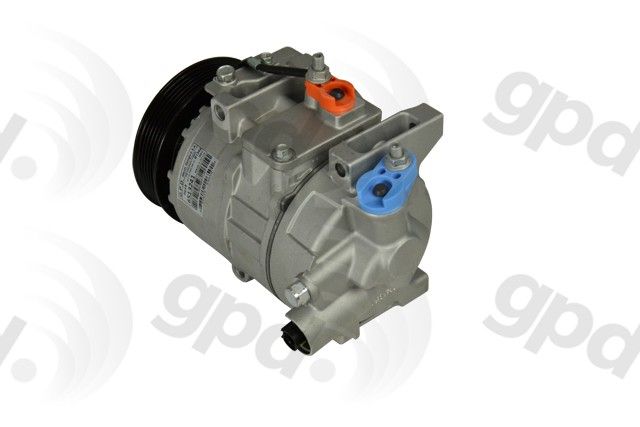
- Global Parts (GPD) / Nissens: These are other established aftermarket brands that offer a balance of value and performance. They are a viable option for a standard repair.
Pro Tip: Buy a Kit. Many catastrophic compressor failures contaminate the whole system. To ensure your new compressor warranty is valid and the repair lasts, it is critical to also replace the A/C receiver/drier (or accumulator) and the expansion valve. Buying a complete kit is often the safest and most economical choice.
A/C Compressor Replacement Costs for Jeep Wrangler (2008-2019)
| Part/Service | Estimated Cost |
|---|---|
| New Aftermarket Compressor | $285 - $665 |
| New OEM (Mopar) Compressor | $700 - $900 |
| Shop Labor | $150 - $350 |
| Total Professional Replacement | $830 - $1,200+ |
Costs are estimates and can vary by location and the extent of repairs needed (e.g., if a full system flush and component replacement for "black death" is required).
Frequently Asked Questions

What is A/C compressor "black death"?
"Black death" describes a catastrophic internal compressor failure where metal particles contaminate the entire A/C system, appearing as black, gritty oil. 🎬 Watch: A deep dive into identifying and fixing black death. It is most noted on the 3.6L V6 engine. If this occurs, you must replace the compressor, condenser, receiver/drier, and expansion valve, and flush all lines to prevent the new compressor from failing.
Do I have to replace other parts with the compressor?
Yes. At a minimum, you must always replace the receiver/drier (or accumulator) and the expansion valve or orifice tube when you install a new compressor. This is required by almost all part manufacturers to keep the warranty valid. If the old compressor failed internally, you must also replace the condenser.
Can I just replace the A/C clutch?
For this generation of Jeep Wrangler, it is not common or recommended to replace only the clutch. The clutch assembly is often not sold separately, and the labor involved makes replacing the entire compressor assembly a more reliable and often simpler repair.
🎬 See this walkthrough for diagnosing and replacing your compressor.Is replacing the A/C compressor a DIY job?
This is an advanced repair and not recommended for most DIY mechanics. The job requires specialized equipment to safely recover the old refrigerant and to vacuum and recharge the system after the new part is installed. Improperly charging the system can lead to poor cooling and damage to the new compressor.
🎬 Watch: How to properly vacuum and recharge your Jeep's A/C.Helpful Videos
Technical Specifications
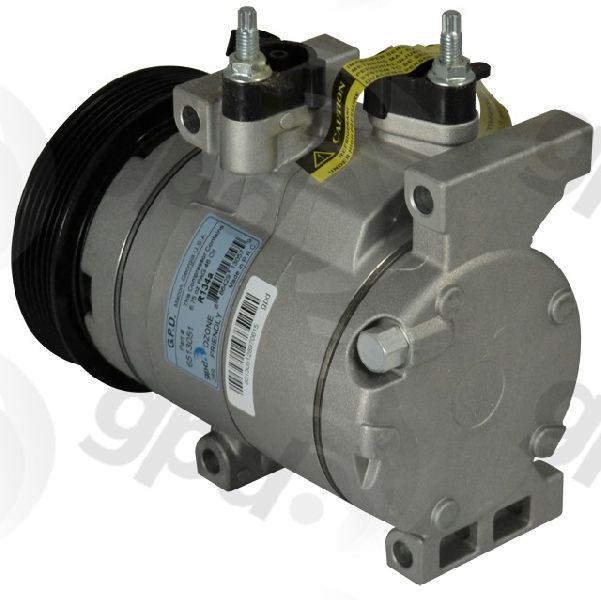
Compressor type and fitment are different for the 3.8L V6 (2008-2011 JK) and 3.6L V6 (2012-2018 JK & 2018-2019 JL) engines. The 3.6L models are particularly susceptible to internal failure ('black death'). Replacement must include a new receiver/drier and expansion valve. System must be evacuated and recharged to proper specifications.
We Have This Part in Stock
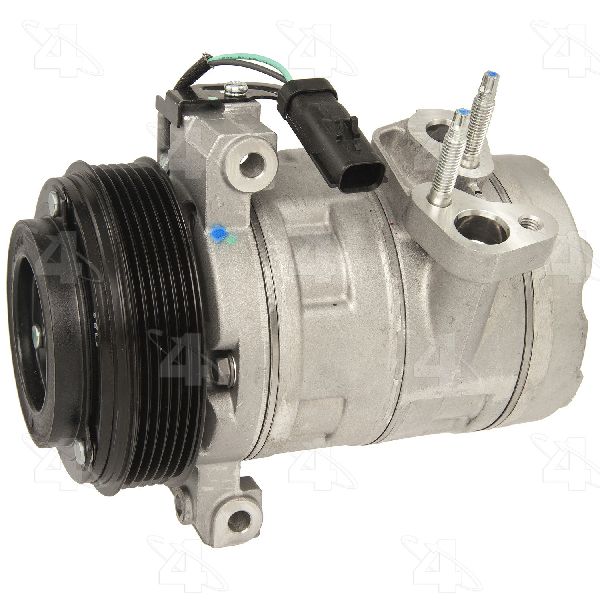

The information in this article is provided for general reference and educational purposes only. Vehicle specifications, procedures, and part compatibility can vary by production date, trim level, and region. Always consult your vehicle's factory service manual and verify part numbers before purchasing or performing repairs. Safety-critical components such as airbags, seat belts, and braking systems should be installed by a qualified professional.
- Jeep Wrangler: