

Hyundai Sonata A/C Compressor: A Guide for 2008-2019 Models
Is your Sonata's A/C blowing warm? Here’s what you need to know before replacing the compressor.
- For OEM quality and reliability, choose Denso or Mando brands.
- If your compressor failed internally, you MUST also replace the receiver/drier and expansion valve and flush the system.
- For 2011-2019 models, poor cooling could be a failed External Control Valve (ECV), not the entire compressor.
- This is not a beginner DIY job; it requires special tools and handling of refrigerant, making professional installation the recommended choice.
Is Your Sonata's A/C Compressor Failing?

When your Hyundai Sonata's air conditioning stops blowing cold, the A/C compressor is a common suspect. However, other issues can cause similar symptoms. Before deciding on a replacement, it's important to verify the compressor is truly the problem.
Common Failure Symptoms:
- Warm Air from Vents: The most obvious sign. Even with the A/C on max, the air is room temperature or hot.
- Strange Noises: A grinding, squealing, or knocking sound when the A/C is turned on can point to a failing compressor clutch or bad internal bearings.
- Intermittent Cooling: The A/C works while driving at speed but gets warm at stoplights. This can sometimes point to a failing compressor, but is also a classic symptom of a bad condenser fan, an issue noted on the 2011-2014 Sonata models.
- Visible Leaks: You might see a greasy, grimy buildup on the compressor body, which is often refrigerant oil leaking out.
- Compressor Clutch Not Engaging: When you turn on the A/C, you should hear a 'click' from the engine bay as the compressor clutch engages. If there's no click, it could be an electrical issue or a failed clutch.
A Note on 2011-2019 Models: The External Control Valve (ECV)
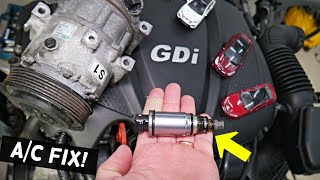
Sonatas from 2011-2019 often use a variable displacement compressor that has an electronic control valve, or ECV. This valve can fail on its own, causing poor cooling even if the compressor seems to be working. A Hyundai Technical Service Bulletin (TSB 17-HA-002) exists to help technicians diagnose this specific issue. In some cases, only the valve needs replacement, but for many compressors (including some made by Denso), a failed valve requires replacing the entire compressor assembly.
🎬 See how to locate and replace the compressor control valve.Choosing the Right Aftermarket Compressor

When shopping for a new aftermarket A/C compressor, you'll find a wide range of brands and prices. Quality can vary significantly, so it's important to understand the difference between OEM and various aftermarket tiers.
OEM vs. Aftermarket Quality
For Hyundai, brands like Mando and Denso are often the Original Equipment Manufacturers (OEM). This means they produced the exact same part that was installed in your Sonata at the factory. Buying a Mando or Denso-branded compressor often gets you the genuine part without the higher dealership price tag. Other aftermarket brands offer a more affordable alternative, but quality and longevity can be a gamble. Cheaper compressors are known to have a higher rate of premature failure.
Brand Tiers for Your Hyundai Sonata
- Top Tier (OEM Quality): Mando and Denso. These are your best bet for factory fit, performance, and durability. Mando is a known OE supplier for Hyundai. Denso is a world-renowned OEM for many car brands and is highly recommended by mechanics for its reliability.
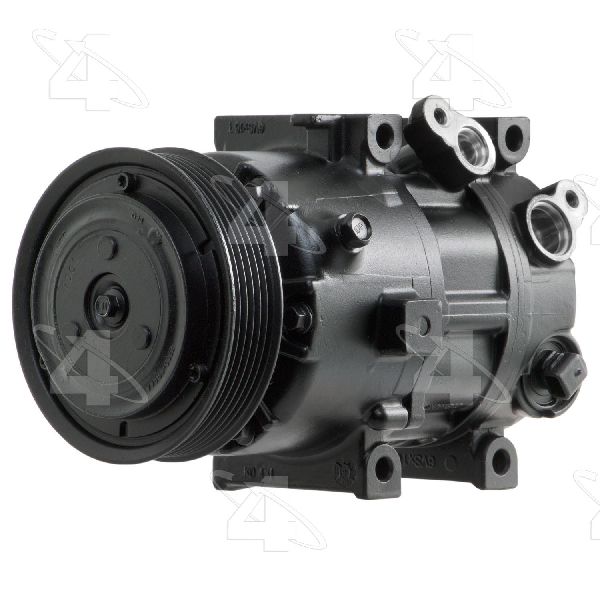
- Mid Tier (Quality Aftermarket): Nissens and Four Seasons. These are established aftermarket brands. Nissens manufactures its parts to OE standards and has a decent reputation. Four Seasons is a very common brand, though online reviews from mechanics and DIYers are mixed; some have good experiences, while others report early failures.
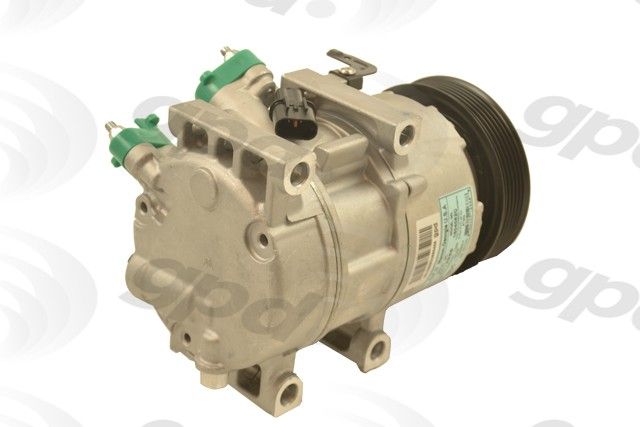
- Economy Tier (Budget-Focused): Global Parts (GPD) and other lower-priced brands. These are the most affordable options but carry the highest risk of noise, leaks, or a shorter lifespan. They can be a solution if budget is the primary concern, but be aware of the potential trade-offs.
CRITICAL: Replace More Than Just the Compressor!
If your old compressor failed internally, it likely sent metal shavings and debris throughout the entire A/C system. If you simply install a new compressor, that debris will destroy it in a short amount of time. To prevent this, you MUST also replace the A/C Receiver Drier (or Desiccant Bag) and the Expansion Valve. The system must also be professionally flushed to remove all contaminants before installing the new parts. Skipping this step will void the warranty on most new compressors.
Understanding Replacement Costs

The cost to replace an A/C compressor can vary widely based on the parts you choose and local labor rates.
| Part/Service | Estimated Cost |
|---|---|
| New Aftermarket Compressor | $261 - $1,611 |
| New OEM Compressor | $1,100 - $1,800+ |
| Shop Labor & Recharge | $300 - $600 |
| Total Professional Job (Aftermarket) | $850 - $1,500+ |
Frequently Asked Questions (FAQ)

Can I replace the A/C compressor myself?
This is an advanced DIY job. It requires specialized tools, including a manifold gauge set and a vacuum pump. The refrigerant must be legally recovered by a certified shop before you start and the system must be properly evacuated and recharged after installation. For most owners, professional installation is recommended. 🎬 Watch a step-by-step DIY compressor replacement walkthrough. The difficulty rating is high due to the need for special equipment and procedures.
My Sonata is a Hybrid. Is the compressor the same?
No. Hyundai Sonata Hybrid models use a special high-voltage electric A/C compressor that is completely different from the belt-driven one in standard gasoline models. This guide does not apply to Hybrid compressors.
Can I just replace the A/C clutch?
On some older models (like the 2008-2010 generation), it may be possible to replace just the clutch assembly if that is the only part that has failed. However, for many 2011-2019 models with variable compressors, the clutch is not sold separately or the design is clutchless. Often, the cost of labor makes replacing the entire compressor assembly more practical.
Are there any recalls for the 2008-2019 Sonata A/C compressor?
There are no specific NHTSA safety recalls for the A/C compressor on these models. However, a class-action lawsuit investigation was launched concerning premature A/C compressor failure on several 2018-2022 Hyundai models, including the Sonata, which suggests a higher-than-normal failure rate on later models in this range.
Helpful Videos
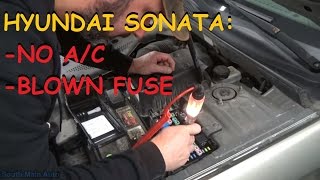
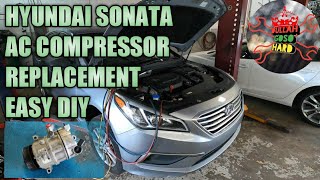

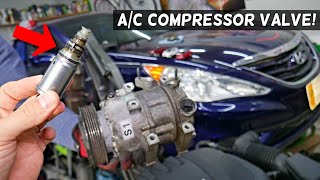
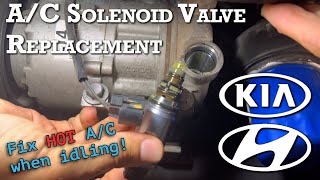

Technical Specifications
OEM Part Numbers: 97701-3R000 97701-3K720 97701-2B301 97701-C1100 97701-E6000 97701-4R000
Compressor Type: Varies by generation (Clutched vs. Variable Displacement with ECV). Refrigerant: R-134a. Oil Type: PAG 46. Drive Belt: Serpentine.
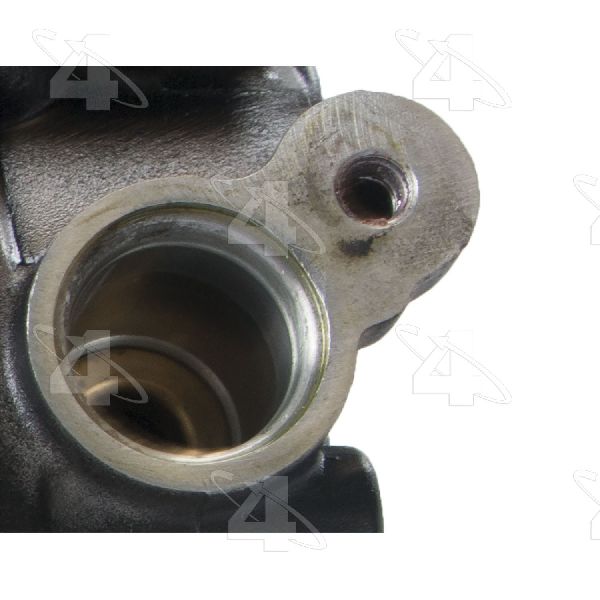
We Have This Part in Stock
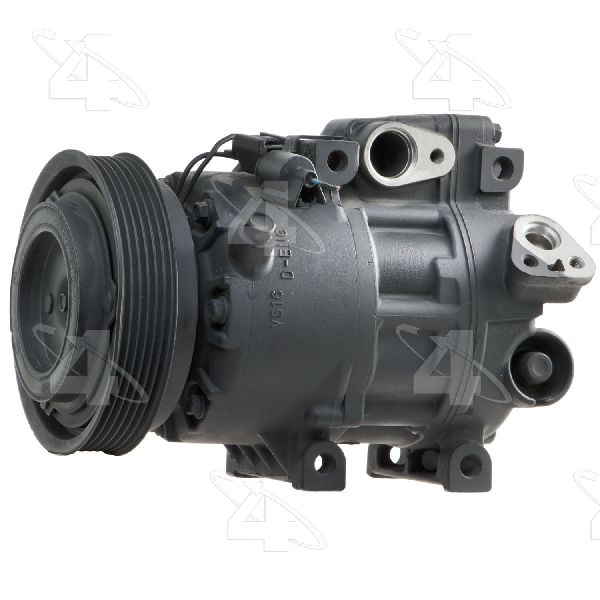
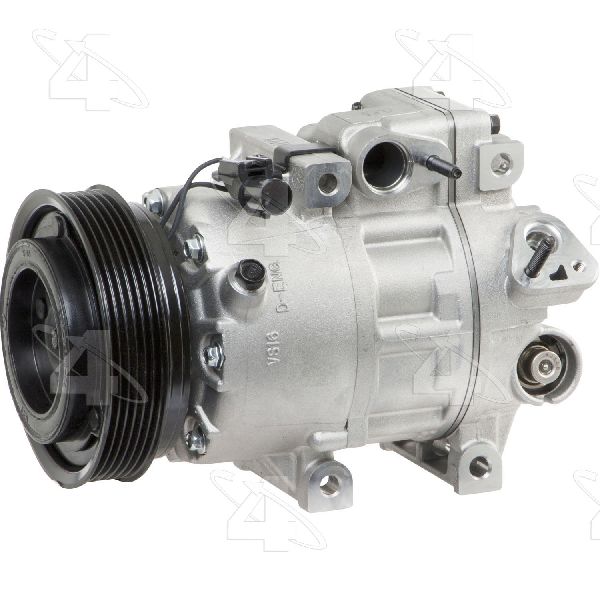
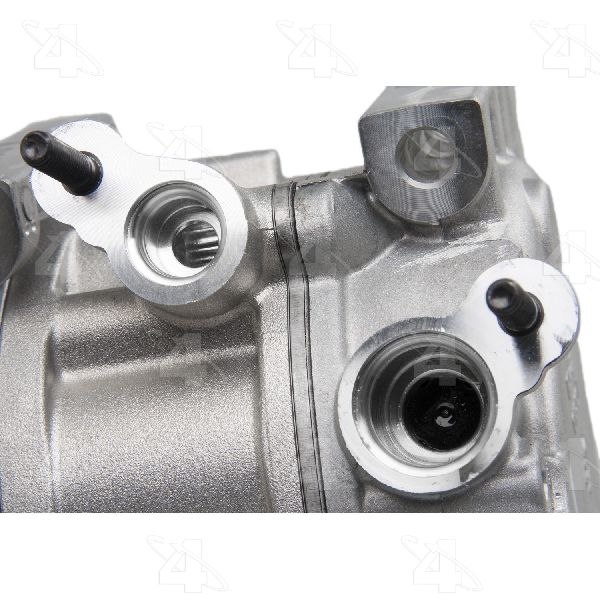

The information in this article is provided for general reference and educational purposes only. Vehicle specifications, procedures, and part compatibility can vary by production date, trim level, and region. Always consult your vehicle's factory service manual and verify part numbers before purchasing or performing repairs. Safety-critical components such as airbags, seat belts, and braking systems should be installed by a qualified professional.
- Hyundai Sonata: