

Honda Odyssey Crankshaft Position Sensor Guide (2008-2018): Symptoms and Replacement
Stalling, a no-start condition, or a check engine light on your Odyssey could point to a bad crankshaft position sensor.
- A failing crankshaft sensor can cause dangerous stalling, a no-start condition, or a check engine light with codes P0335/P0339.
- For this critical part, avoid budget brands; use only OEM, Denso, or NGK/NTK to prevent repeat failures.
- Replacement is a difficult job due to the hard-to-remove crankshaft pulley; professional installation is recommended for most owners.
- Check for the 2018-2019 Odyssey crankshaft RECALL, as its symptoms are similar but require an engine replacement, not a sensor.
Is Your Odyssey Stalling? It Could Be the Crankshaft Sensor

If your 2008 to 2018 Honda Odyssey is suddenly stalling, having trouble starting, or running rough, a failing crankshaft position sensor is a likely suspect. This small sensor plays a huge role in how your engine operates. When it fails, it can cause everything from poor gas mileage to leaving you stranded. This article will help you understand the symptoms, choose the right replacement part, and know what the repair involves.
Symptoms of a Failing Crankshaft Position Sensor

A bad crankshaft sensor often gives warning signs before it fails completely. Symptoms can start as minor annoyances and become serious problems.
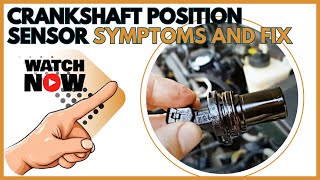
🎬 Watch: See these common crankshaft sensor symptoms in action.- Check Engine Light: This is often the first sign. You will likely see diagnostic trouble codes (DTC) such as P0335 (Crankshaft Position Sensor 'A' Circuit No Signal) or P0339 (Crankshaft Position Sensor 'A' Circuit Intermittent Interruption).
- Engine Stalling: The engine may shut off unexpectedly while you are driving, especially when the engine is warm. This is a serious safety issue.
- No-Start or Hard Starting: Your Odyssey may crank over but refuse to start. Or, it may take much longer than usual to get the engine to fire up.
- Poor Engine Performance: You might notice rough idling, engine misfires, hesitation when you accelerate, and a noticeable drop in fuel economy.
Important Recall Information for 2018-2019 Odyssey Owners
Honda issued a recall (NHTSA ID: 23V-751) for some 2018-2019 Odyssey models due to a manufacturing defect in the engine crankshaft itself, not the sensor. Symptoms of this recall, like engine stalling, can be confused with a bad sensor. A new sensor will NOT fix this problem. Check with a Honda dealer or the NHTSA website to see if your vehicle is affected by this serious recall. An investigation into other model years for similar issues is also underway.
Choosing the Right Aftermarket Sensor: A Warning

For a critical component like the crankshaft position sensor, part quality is extremely important. While many budget-friendly aftermarket options exist, Honda forums and experienced mechanics strongly advise against them for this specific part. A cheap, poorly made sensor can fail right out of the box, cause persistent performance problems, or leave you stranded shortly after installation. Given the difficult and costly labor involved in replacement, this is a job you only want to do once.
Brand Quality Tiers for Your Honda Odyssey
- Tier 1 (OEM / OEM-Equivalent): This is the safest choice. Brands include Genuine Honda, Denso (often the original equipment manufacturer for Honda), and NGK/NTK. These parts are designed to meet Honda's exact specifications and offer the best reliability and longevity.
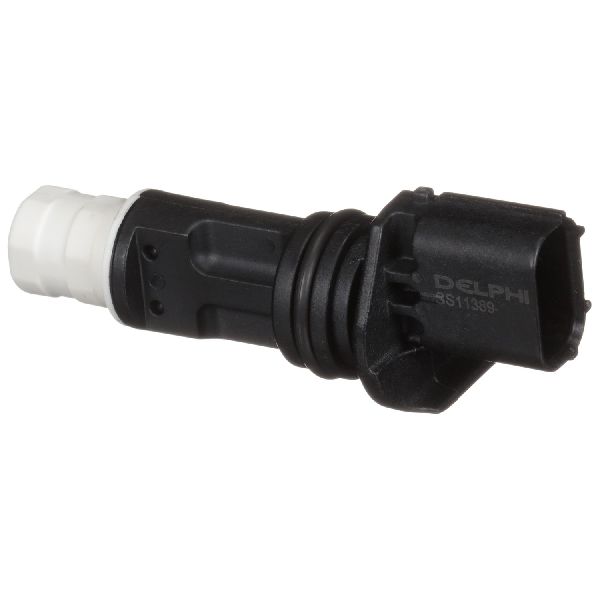
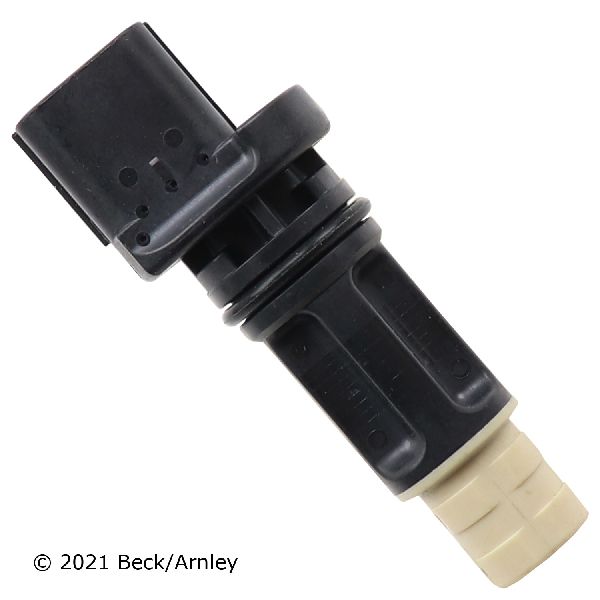
- Tier 2 (Reputable Aftermarket): Brands like Delphi and Beck Arnley can be good alternatives, but quality can sometimes be inconsistent compared to the OEM supplier.
- Tier 3 (Budget / Store Brands): This tier includes brands like Dorman, Standard Ignition, and various store-exclusive brands. While the price is low, the risk of premature failure is high. Using these parts can lead to spending more in the long run on repeated repairs and towing.
Pro Tip: Spend the extra money on a Denso or NGK/NTK sensor. The cost difference is small compared to the potential for another failure and having to pay for the labor all over again.
Understanding Replacement Costs
The cost to replace the crankshaft position sensor can vary widely based on the parts you choose and who does the work. The labor is a significant part of the total cost because the sensor is difficult to access.
| Item | Estimated Cost |
|---|---|
| New OEM (Genuine Honda) | $400 - $500+ |
| New Aftermarket (Tier 1) | $70 - $150 |
| New Aftermarket (Budget) | $40 - $70 |
| Shop Labor | $250 - $500+ |
Frequently Asked Questions

Where is the crankshaft position sensor located on a 2008-2018 Honda Odyssey?
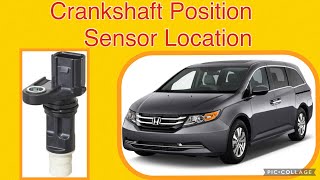
The sensor is located on the lower front of the engine block, near the main crankshaft pulley. To access it, you typically need to remove the passenger-side front wheel and the inner fender splash shield.
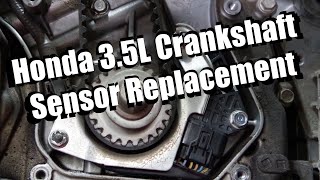
🎬 See this video to find the exact sensor location.Can I replace this sensor myself?
This is an advanced DIY repair. The main challenge is removing the crankshaft pulley bolt, which is torqued extremely tight from the factory and requires a special harmonic balancer socket and a very powerful impact gun or breaker bar setup. For most owners, professional installation is recommended.
🎬 Watch this walkthrough if you plan to attempt the replacement.Do I need to do anything after the sensor is replaced?
Yes. After installing a new sensor, the ECU needs to perform a “CKP pattern learn” procedure to calibrate to the new part. If this is not done, you may still experience rough idling or a check engine light. This procedure can sometimes be done manually, but a mechanic with a proper scan tool is the most reliable way to ensure it's done correctly.
What's the difference between a crankshaft and camshaft sensor?
They perform similar functions but monitor different parts. The crankshaft sensor tracks the main crank's rotation (the engine's bottom end), while camshaft sensors track the camshafts' rotation (which control the valves in the top end). Both are critical for engine timing, but they are not interchangeable.
Helpful Videos
Technical Specifications
OEM Part Numbers: 37500-R70-A01 37500-RCA-A01 37500-R40-A01
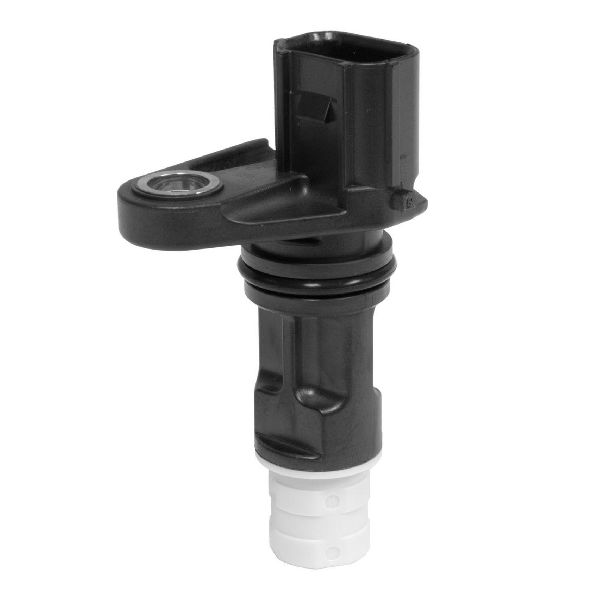
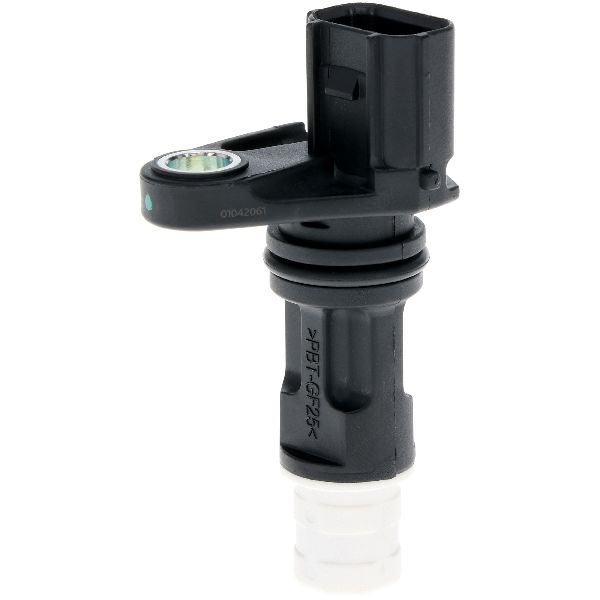
Magnetic sensor that reads the position of the crankshaft reluctor wheel. Mounts to the engine block near the main pulley. Requires a CKP pattern relearn procedure after installation.
We Have This Part in Stock


The information in this article is provided for general reference and educational purposes only. Vehicle specifications, procedures, and part compatibility can vary by production date, trim level, and region. Always consult your vehicle's factory service manual and verify part numbers before purchasing or performing repairs. Safety-critical components such as airbags, seat belts, and braking systems should be installed by a qualified professional.
- Honda Odyssey: