

Freightliner Cascadia Turbocharger Boost Sensor Guide for 2008-2018 Models
If your Cascadia is losing power, smoking, or getting poor fuel mileage, your turbo boost sensor could be the problem.
- A failing boost sensor will cause noticeable issues like power loss, black smoke, and poor fuel economy.
- This is a DIY-friendly repair; the sensor is easy to access on the intake manifold and requires basic tools.
- Common fault codes are P0237 and P0238, which point directly to a sensor circuit issue.
- While budget parts are available, using a quality aftermarket or OEM sensor is recommended to avoid future diagnostic problems.
Symptoms of a Failing Turbo Boost Sensor


A bad boost sensor on a Freightliner Cascadia will cause noticeable problems. The sensor gets clogged with soot and oil over time or fails electronically. When it sends bad information to the ECM, the engine can't run right. Look for these common signs:
- Loss of Power: The truck may feel sluggish, struggle to pull grades, or go into "limp mode" with severely restricted power to protect the engine.
- Black Smoke from Exhaust: If the sensor is faulty, the ECM may inject too much fuel, causing incomplete combustion and black smoke.
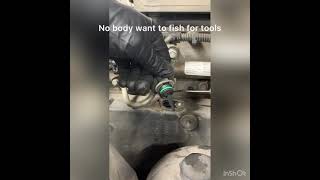
- Check Engine Light: A bad sensor will almost always trigger a check engine light. Common fault codes include 🎬 Watch a mechanic diagnose common sensor fault codes. P0237 (circuit low) and P0238 (circuit high).
- Poor Fuel Economy: When the engine's air-fuel mixture is wrong, fuel is wasted, and your mileage will drop.
- Rough or Unstable Idle: The engine may idle erratically because it can't get a stable reading of the air pressure.
Don't Ignore the Signs
Continuing to drive with a faulty boost sensor can lead to other problems. An incorrect air-fuel ratio can damage emissions components like the DPF (Diesel Particulate Filter) and potentially harm the turbocharger itself.
Choosing the Right Aftermarket Boost Sensor

When shopping for a new aftermarket boost sensor, you'll find a wide range of prices. This usually reflects different tiers of quality and reliability. For a critical part like this, choosing the right brand matters.
Brand Quality Tiers
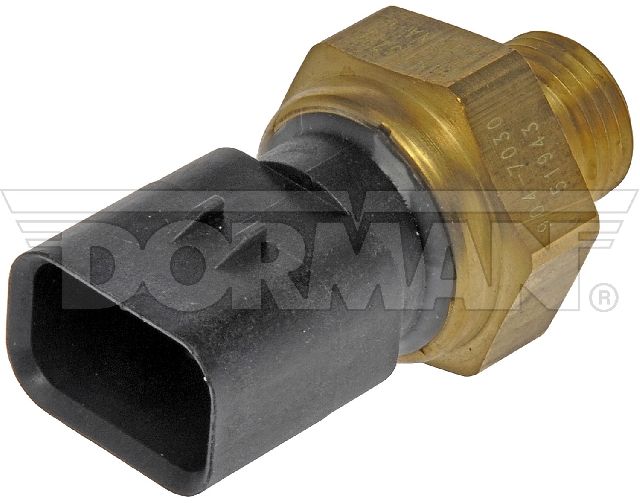
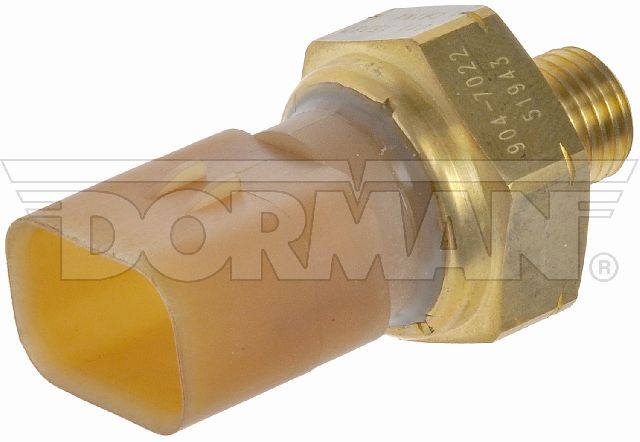
- Premium Aftermarket (e.g., Dorman): Dorman is a well-known brand that offers direct replacement parts. For a component like a boost sensor, their quality is often debated in driver forums. Some mechanics use them without issue, while others prefer to use OEM parts for critical sensors to avoid potential problems with incorrect readings from a brand-new part. Dorman is a viable option if OEM is not in the budget, but be aware of the mixed reputation.
- Standard Replacement (e.g., Global Parts): These brands offer a balance of price and perceived quality. They are designed to meet original specifications and are a good mid-range choice for owners looking for a cost-effective repair.
- Economy (e.g., Replacement): These are the most budget-friendly options. While they can get your truck back on the road, their long-term reliability and the accuracy of their readings may not match higher-priced alternatives. They are best suited for temporary fixes or older, high-mileage trucks.
OEM vs. Aftermarket
For critical engine sensors, many experienced technicians prefer to use genuine OEM (Original Equipment Manufacturer) parts from Cummins or Detroit Diesel. While more expensive, they guarantee perfect fitment and accurate electronic readings, which can save you from chasing down other issues caused by a poor-quality aftermarket sensor. However, a quality aftermarket part from a reputable brand can offer good value and reliable performance.
Cost of Replacing a Turbo Boost Sensor
The cost to replace the turbo boost sensor on a 2008-2018 Cascadia is reasonable. The part itself has a wide price range, and the labor is minimal for a professional mechanic.
| Item | Estimated Cost |
|---|---|
| New OEM Part | $130 - $250 |
| New Aftermarket Part | $25 - $249 |
| Shop Labor | $85 - $125 |
| Total Estimated Cost | $110 - $375 |
Cost estimates are based on national averages for parts and labor and may vary by location and specific engine model (Cummins vs. Detroit).
Frequently Asked Questions

Is the Turbo Boost Sensor the same as a MAP Sensor?
Yes. On a turbocharged engine like the one in your Cascadia, the Manifold Absolute Pressure (MAP) sensor performs the function of measuring boost pressure. The terms are often used interchangeably.
Where is the turbo boost sensor located?
The sensor is typically mounted directly on the intake manifold, after the charge air cooler and before the engine cylinders. It is usually held in place by one or two small bolts and has an electrical connector attached to it.
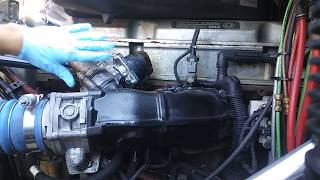
🎬 Watch this quick walkthrough on replacing the boost sensor.Can I clean a boost sensor instead of replacing it?
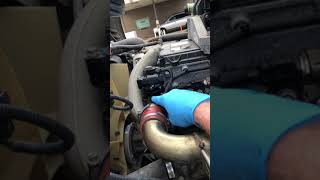
Sometimes, cleaning a sensor that is clogged with soot can temporarily restore its function. However, if the sensor has failed electronically, cleaning will not help. 🎬 See how to replace and recalibrate the pressure sensor. Given the low cost of a replacement part and the importance of its function, replacing a faulty sensor is the most reliable solution.
Are there any recalls for the boost sensor on my Cascadia?
As of early 2026, there are no known NHTSA recalls or widespread Technical Service Bulletins (TSBs) specifically for the turbocharger boost sensor on 2008-2018 Freightliner Cascadia models.
Helpful Videos

Technical Specifications
OEM Part Numbers: 2872784 4921324 2897334 A0041537028 A0101535328
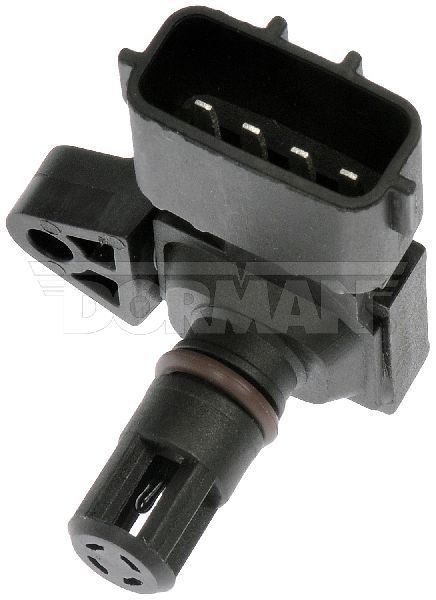
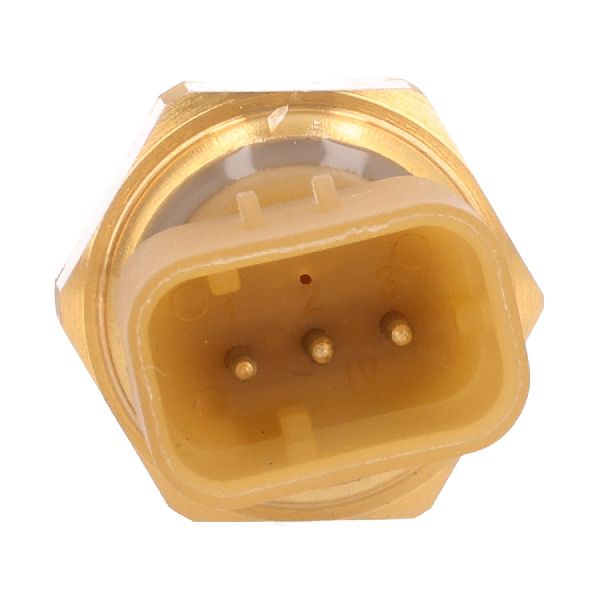
Typically features a 4-prong male blade terminal and a bolt-on mounting style.
We Have This Part in Stock

The information in this article is provided for general reference and educational purposes only. Vehicle specifications, procedures, and part compatibility can vary by production date, trim level, and region. Always consult your vehicle's factory service manual and verify part numbers before purchasing or performing repairs. Safety-critical components such as airbags, seat belts, and braking systems should be installed by a qualified professional.
- Freightliner Cascadia: