

A Guide to Replacing Ignition Coils on Your 2008-2018 Audi A5 Quattro
Solving engine misfires and rough idling in your Audi A5 starts with the right ignition coil.
- Ignition coil failure is a common problem causing misfires; check for TSB 2033561/2 regarding faulty Bosch coils.
- Always replace all four ignition coils and spark plugs at the same time for best results.
- Choose OEM-equivalent brands like Bosch, NGK, Beru, or Eldor for proven reliability.
- This is a very easy DIY repair that can be completed in under 30 minutes with basic tools.
Is Your Audi A5 Misfiring? It Could Be an Ignition Coil.
Ignition coil failure is a well-known issue for Audi A5 owners from the 2008-2018 model years. When a coil fails, it can't produce the strong spark needed for proper combustion. This often leads to a noticeable drop in engine performance and a flashing Check Engine Light. The most common signs of a bad ignition coil include:
- Engine Misfires: The car may jerk, sputter, or hesitate, especially when you accelerate.
- Rough Idle: Your engine may shake or vibrate more than usual when the car is stopped.
- Reduced Power: The car may feel sluggish and slow to respond.
- Flashing Check Engine Light: A misfire will often trigger a flashing Check Engine Light, signaling a potentially serious issue. Diagnostic codes like P0300, P0301, P0302, P0303, or P0304 are common.
- Difficulty Starting: A weak or dead coil can make it hard to get the engine to start.
Known Issue: Technical Service Bulletin for Bosch Coils
Audi issued a Technical Service Bulletin (TSB 2033561/2) for premature failure on some early Bosch ignition coils. This affects coils with part numbers 06H 905 115, 06H 905 115 A, and 06H 905 115 B. If your vehicle has these coils, it is recommended to replace all four with the updated part number (such as 07K905715F or a newer revision) to prevent future issues.
Choosing the Right Aftermarket Ignition Coil
When shopping for new ignition coils, you don't have to buy them from an Audi dealer to get a quality part. Many aftermarket brands are the original equipment manufacturers (OEMs) for Audi. Here’s how the options break down:
Tier 1: OEM & OEM-Equivalent Brands
These brands supply parts directly to Audi and offer the same quality without the dealer markup. They are the most recommended choice for reliability and performance.
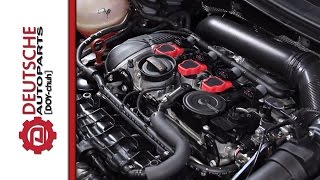
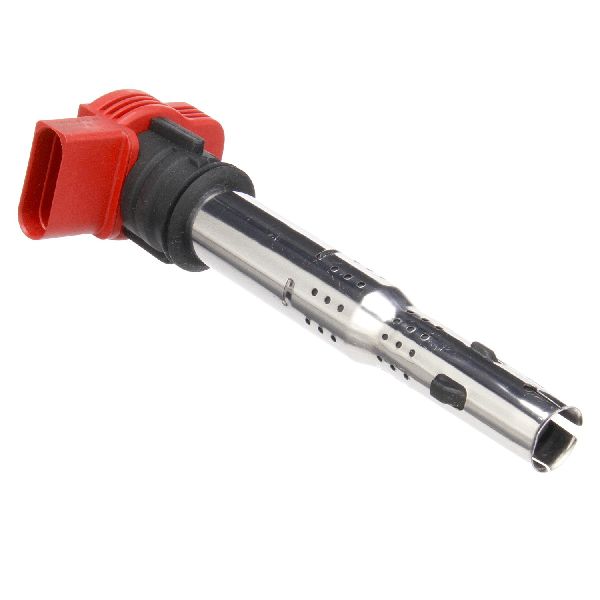
- Bosch: A primary OEM supplier for Audi. The popular red-topped "R8 coils" are made by Bosch and are a common upgrade for their reliability.
- NGK: Another top-tier OEM supplier known for high-quality ignition components.
- Beru: A German brand that is also an OEM supplier for many European vehicles, including Audi.
- Eldor: Mentioned by Audi in TSBs as an official replacement part manufacturer.
Tier 2: Reputable Aftermarket Brands
These companies produce high-quality parts that meet or exceed OEM specifications and are a solid choice for most owners.
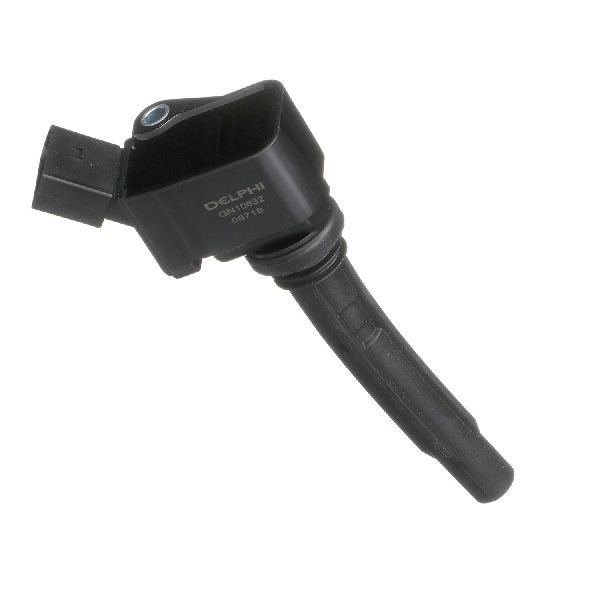
- Delphi: A well-respected brand offering reliable ignition components.
- Denso: Known for its OE-quality parts and rigorous testing.
Tier 3: Budget & Performance Brands
These brands serve specific needs. Use caution with unknown, low-cost brands, as quality can be inconsistent.
- Standard Ignition, Walker Products, etc.: These can be cost-effective, but their long-term durability may not match the top-tier brands.
- APR, Mishimoto, CTS: These brands offer "high-performance" coils that claim to provide a stronger spark. They are primarily for owners with tuned engines who may need the extra performance, but are not necessary for a stock vehicle.
Pro Tip: Swap Coils to Diagnose a Misfire
If you have a misfire code for a single cylinder (e.g., P0302 for cylinder 2), you can confirm the coil is the problem before buying parts. Simply swap the suspected bad coil with a coil from a working cylinder (e.g., cylinder 3). Clear the codes and run the engine. If the code changes to P0303, you've confirmed the coil is faulty.
🎬 Watch: How to diagnose and fix common misfire codesIgnition Coil Replacement Cost
The cost to replace ignition coils on a 2008-2018 Audi A5 Quattro is relatively low, especially if you do the work yourself. The job is simple and requires minimal tools.
| Part Type | Estimated Cost (Set of 4) |
|---|---|
| New OEM (Dealer) | $200 - $400 |
| New Aftermarket (OEM-Quality) | $120 - $250 |
| Shop Labor | $75 - $150 |
Frequently Asked Questions
Can I replace just the one bad ignition coil?
It is highly recommended to replace all ignition coils at the same time. Ignition coils are wear items, and if one has failed, the others are likely near the end of their service life. Replacing them all at once saves you from having to do the same job again in a few months.
Should I replace my spark plugs at the same time?
Yes. Worn spark plugs can put extra strain on the ignition coils, causing them to fail prematurely. Since you already have the coils out, replacing the spark plugs is an easy and smart preventative measure. Always use high-quality plugs like those from NGK or Bosch.
Is the replacement difficult? Can I do it myself?
For the common 2.0T engine, this is one of the easiest DIY jobs you can do. The process involves removing the plastic engine cover, unplugging the electrical connectors, and pulling the coils straight out. It typically takes less than 30 minutes and requires only basic hand tools.
🎬 See this step-by-step guide for replacing coils and plugsWhat are the red "R8" ignition coils I see online?
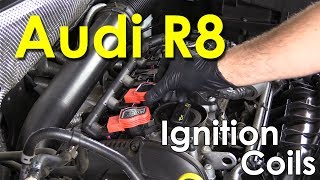
These are typically genuine Bosch coils that are standard on high-performance models like the Audi R8. They became a popular, easy-to-install upgrade for 2.0T engines due to their reputation for reliability and slightly higher energy output. While not strictly necessary for a stock engine, they are an excellent OEM-quality choice.
🎬 Watch: How to install red R8 coils on your 2.0THelpful Videos

Technical Specifications
OEM Part Numbers: 07K905715G 06E905115G 06E905115F 06E905115E 06H905115B 06H905115A
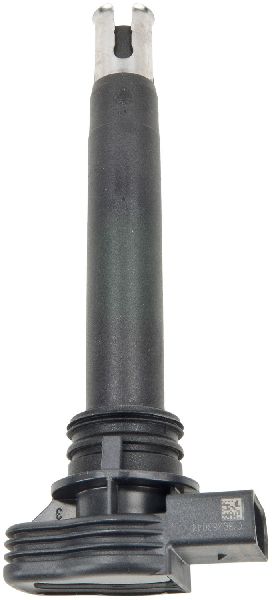
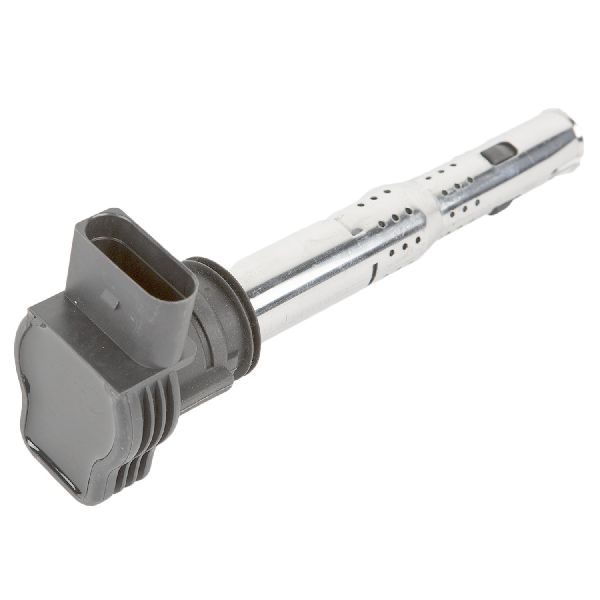
Coil-on-Plug, Pencil Type, 4-pin connector
We Have This Part in Stock


The information in this article is provided for general reference and educational purposes only. Vehicle specifications, procedures, and part compatibility can vary by production date, trim level, and region. Always consult your vehicle's factory service manual and verify part numbers before purchasing or performing repairs. Safety-critical components such as airbags, seat belts, and braking systems should be installed by a qualified professional.
- Audi A5 Quattro: