

Mitsubishi Lancer Engine Valve Cover Gasket Guide (2008-2017)
Fixing an oil leak on your Lancer? Here's what you need to know about the valve cover gasket.
- The most common symptoms of a bad valve cover gasket are a burning oil smell and visible oil on the engine.
- This is a DIY-friendly repair for Lancer owners with basic tools; the job takes about 1-2 hours.
- Always apply RTV sealant to the corners where the timing cover meets the head to prevent leaks.
- While you're replacing the gasket, it's a good time to inspect and potentially replace your spark plugs, especially if oil has leaked on them.
Is Your Lancer Leaking Oil?

A leaking valve cover gasket is a common issue on many cars, including the 2008-2017 Mitsubishi Lancer. The gasket, typically made of rubber, hardens over many heat cycles and eventually fails to seal properly. This allows oil to seep out, which can cause a variety of problems. Fortunately, it's a straightforward repair that can prevent more serious issues down the road.
Symptoms of a Failing Valve Cover Gasket

If your Lancer's valve cover gasket is failing, you'll likely notice one or more of these signs:
- Burning Oil Smell: This is often the first symptom owners notice. Oil leaks from the valve cover and drips onto hot engine parts like the exhaust manifold, causing a distinct burning smell.
- Visible Oil Leak: You may see oil residue and grime built up on the valve cover itself or on the side of the engine block. In some cases, you might see oil spots on the ground where you park.
- Oil in Spark Plug Wells: The valve cover gasket set includes seals for the spark plug tubes. When these fail, oil can leak into the wells, covering the spark plugs and ignition coils. This can lead to engine misfires.
- Low Engine Oil: A persistent leak will cause your engine oil level to drop over time. If left unchecked, this can lead to serious engine damage.
Fire Hazard Warning
A significant oil leak from the valve cover can be a fire risk if the oil drips onto the hot exhaust system. Address any leaks promptly to ensure safety.
Choosing the Right Aftermarket Gasket

When it's time for a replacement, you have a choice between OEM (Original Equipment Manufacturer) and aftermarket parts. For a part like a valve cover gasket, a quality aftermarket option can offer great value without sacrificing reliability.
- OEM: The original part from Mitsubishi. It's a guaranteed fit but often comes at a higher price.
- Aftermarket: Companies like Beck Arnley and Victor Gaskets produce replacement parts that meet or exceed OEM specifications. They are often more affordable.
Brand Focus: Beck Arnley vs. Victor Gaskets
Both Beck Arnley and Victor Gaskets are well-known in the aftermarket industry. Forum discussions among mechanics and DIYers show mixed but generally acceptable experiences with both brands for various vehicles. Beck Arnley is sometimes known for repackaging OEM parts, which can be a sign of good quality. Victor Reinz (often referred to as Victor Gaskets) is also a long-standing competitor to other top aftermarket brands. For the Mitsubishi Lancer, either brand should provide a reliable seal if installed correctly.
Pro Tip: Don't Forget the Sealant!
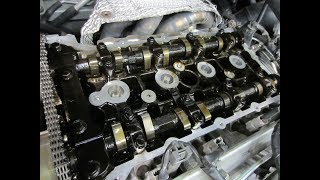
When replacing the gasket, it's critical to apply a small amount of RTV (Room Temperature Vulcanization) sealant at the corners where the timing cover meets the cylinder head. This is a common point for leaks if not sealed properly.
🎬 See how to properly seal and install a new gasket.Cost to Replace a Lancer Valve Cover Gasket
The cost can vary depending on whether you do the job yourself or take it to a shop. The 4-cylinder engine in the Lancer makes this a relatively accessible job.
| Item | Estimated Cost |
|---|---|
| New Aftermarket Gasket Set | $39 - $45 |
| New OEM Gasket Set | $88 - $98 |
| Shop Labor | $77 - $140 |
| Total (Shop Repair) | $165 - $211 |
Frequently Asked Questions

Is it hard to replace a Lancer valve cover gasket?
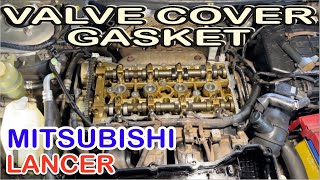
For a DIYer with basic tools, this is a manageable job. It involves removing the engine cover, ignition coils, and some hoses to access the valve cover bolts. The key is to clean the surfaces thoroughly and torque the bolts correctly in the specified pattern. Difficulty is generally considered low to moderate.
🎬 Watch a mechanic demonstrate this straightforward valve cover repair.Do I need to replace the spark plugs at the same time?
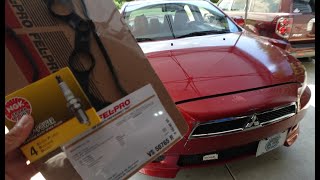
It's a good idea. You'll already have the ignition coils out, so accessing the spark plugs is easy. If the old gasket was leaking oil into the spark plug tubes, the plugs are likely contaminated and should be replaced.
🎬 Watch this walkthrough for replacing the gasket and spark plugs.Are there any recalls for this issue?
No, there are no specific recalls from the NHTSA for a leaking valve cover gasket on the 2008-2017 Mitsubishi Lancer. However, there have been recalls for other engine components like the drive belt tensioner, so it's always good to check if your vehicle is affected.
What tools do I need for the job?
You will need a basic socket set (specifically a 10mm socket), extensions, a torque wrench (inch-pounds), a gasket scraper (plastic is recommended to avoid scratching metal), and some RTV sealant.
Helpful Videos
Technical Specifications
OEM Part Numbers: 1035A583
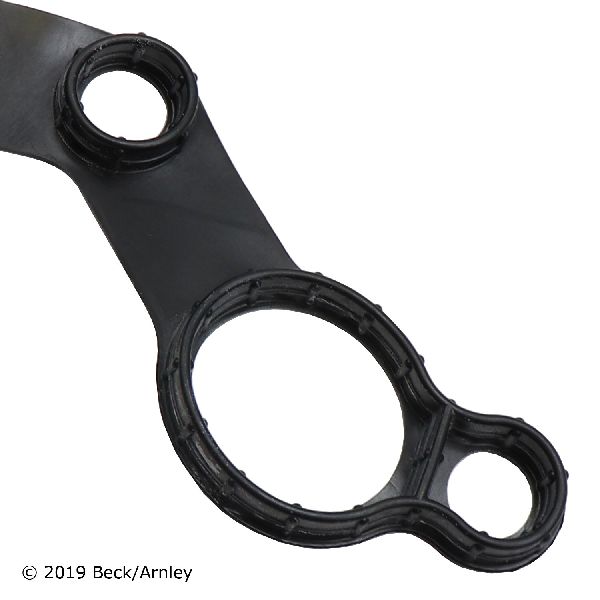
Fits 2.0L (4B11) and 2.4L (4B12) engines in the 2008-2017 Mitsubishi Lancer. The set typically includes the main valve cover gasket and four spark plug tube seals.
We Have This Part in Stock


The information in this article is provided for general reference and educational purposes only. Vehicle specifications, procedures, and part compatibility can vary by production date, trim level, and region. Always consult your vehicle's factory service manual and verify part numbers before purchasing or performing repairs. Safety-critical components such as airbags, seat belts, and braking systems should be installed by a qualified professional.
- Mitsubishi Lancer: