

BMW 535i (2008-2016) High-Pressure Fuel Sensor: A Complete Guide
Experiencing long cranks or limp mode in your 535i? Your high-pressure fuel sensor might be the culprit.
- Symptoms of a bad fuel pressure sensor (long crank, limp mode) are very similar to a failing high-pressure fuel pump (HPFP).
- The sensor is much cheaper and easier to replace, making it a logical first step in diagnosis.
- Bosch is the OEM supplier; choosing this brand is highly recommended for reliability and to avoid misdiagnosis.
- Replacement is a simple DIY job for most owners, typically taking under an hour with basic tools.
Is Your 535i Showing Signs of a Failing Fuel Pressure Sensor?

A bad high-pressure fuel sensor can cause a range of problems that are often mistaken for a failing high-pressure fuel pump (HPFP), which is a much more expensive repair. Before you panic, check for these common symptoms. A failing sensor can send incorrect data to the car's computer, leading to poor engine performance and drivability issues.
Common Failure Symptoms:
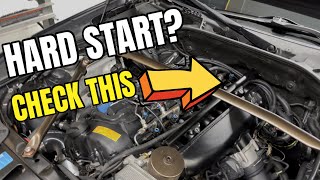
- Long Crank Times: The engine turns over for several seconds before it finally starts. This happens because the computer doesn't see the correct fuel pressure needed for a quick start. 🎬 See how a faulty rail sensor causes hard starting issues.
- Rough Idle: The engine may shake or stumble at idle because of inconsistent fuel pressure readings.
- Limp Mode (Reduced Engine Power): The car will display an "Engine Malfunction" message and dramatically reduce power to protect the engine from damage. This can happen suddenly during acceleration.
- Check Engine Light: A faulty sensor will almost always trigger a Check Engine Light. Common fault codes include 119002 (Rail pressure sensor, electrical: short circuit to ground) and 2BF8/P10D9 (Rail pressure sensor, plausibility: Signal frozen).
- Stalling: In severe cases, the engine may stall while driving or when coming to a stop.
Known Issues, Recalls, and TSBs
While the high-pressure fuel pressure sensor itself hasn't been subject to a specific recall, the fuel systems on these cars have been. Notably, BMW issued a recall for the High-Pressure Fuel Pump (HPFP) on 2008-2010 535i models with the N54 engine. Symptoms of a bad HPFP are very similar to a bad sensor. Additionally, a recall was issued for the in-tank low-pressure fuel pump on some 2010-2011 5 Series GT models for issues with wiring contacts. Always check if your vehicle has any open recalls before proceeding with repairs.
Choosing the Right Aftermarket Fuel Pressure Sensor

When replacing the fuel pressure sensor on your 535i, you have several aftermarket options. Since this is a critical sensor for engine operation, choosing a quality part is essential.
| Brand Tier | Brand(s) | Quality & Performance Assessment |
|---|---|---|
| Tier 1: OEM Equivalent | Bosch | Bosch is the Original Equipment Manufacturer (OEM) for many BMW fuel system parts, including this sensor. Choosing Bosch is essentially like buying the genuine BMW part without the dealership markup. It guarantees perfect fitment, function, and longevity. For peace of mind, this is the top recommendation. |
| Tier 2: Quality Aftermarket | Vemo, Standard Ignition | Brands like Vemo and Standard Ignition are well-known in the aftermarket and produce reliable parts. They are a solid choice if a Bosch part is unavailable or if you're looking for a slight cost saving without sacrificing much quality. These brands often provide direct-fit replacements that meet or exceed original specifications. |
| Tier 3: Budget-Friendly | Replacement | "Replacement" branded parts are the most affordable option. While they can get your car back on the road, their long-term durability and the precision of their readings may not match that of OEM or Tier 2 brands. They can be a viable option for a tight budget, but be aware of the potential trade-offs in quality. |
Pro Tip: Given the sensitivity of the BMW direct injection system, spending a little extra on a Bosch sensor is highly recommended. The cost difference is minimal compared to the potential for future headaches or incorrect diagnostics caused by a lower-quality sensor.
Cost to Replace a 2008-2016 BMW 535i Fuel Pressure Sensor
The cost can vary depending on the part brand you choose and whether you do the work yourself or take it to a professional mechanic.
| Cost Type | Estimated Price Range |
|---|---|
| New Aftermarket Part | $71.93 - $173.25 |
| Shop Labor | $80 - $150 |
| Total (Professional Install) | $151.93 - $323.25 |
Frequently Asked Questions

Is this a difficult part to replace myself?
For a moderately experienced DIYer, this is a very feasible job. The sensor is located on the back of the fuel rail on top of the engine. On the F10 535i (2011-2016), access is relatively easy. On the E60 535i (2008-2010), you may need to remove the cabin air filter housing and cowl for better access. The job typically takes less than an hour. 🎬 Watch this step-by-step guide to replacing the sensor on an F10. You will need a 27mm or 28mm wrench (an adjustable wrench can also work) and basic hand tools. Important: The fuel system is under high pressure. It's recommended to let the car sit for several hours to allow pressure to bleed off and to wrap a rag around the sensor when loosening it to catch any sprayed fuel.
Is there a low-pressure sensor and a high-pressure sensor?
Yes. Your 535i has two main fuel pressure sensors. This guide focuses on the high-pressure sensor on the fuel rail, which is a more common failure point causing the symptoms described. There is also a low-pressure sensor that monitors the fuel coming from the in-tank pump. A failure in the low-pressure sensor can also cause issues but often presents different fault codes. Some later N55 engines may not have a separate low-pressure sensor.
What happens if I ignore a failing fuel pressure sensor?
Ignoring the problem can lead to several issues. Your car will continue to have poor performance, bad fuel economy, and hard starting. Constantly running in a limp mode is frustrating and unsafe. Most importantly, incorrect fuel pressure can lead to a lean or rich running condition, which over time could potentially damage more expensive components like the catalytic converter or even internal engine parts.
My mechanic says I need a new high-pressure fuel pump (HPFP). Could it just be the sensor?
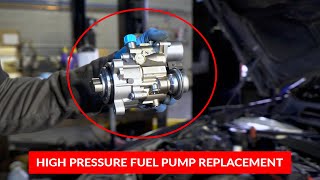
Yes, it's possible. The symptoms of a bad sensor and a bad HPFP are nearly identical, including long cranks and limp mode. The sensor is significantly cheaper and easier to replace than the HPFP. Many owners and mechanics recommend replacing the sensor first as a diagnostic step. If a new, quality sensor (like Bosch) doesn't fix the problem, then you can more confidently diagnose the HPFP as the culprit.
🎬 Learn to distinguish between sensor failure and HPFP symptoms.Helpful Videos
Technical Specifications
OEM Part Numbers: 13537620946 13537537319 13537622231
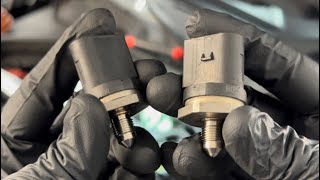
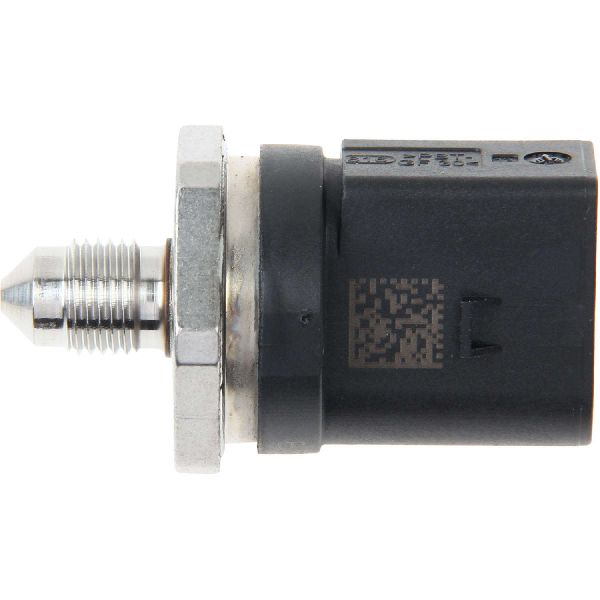
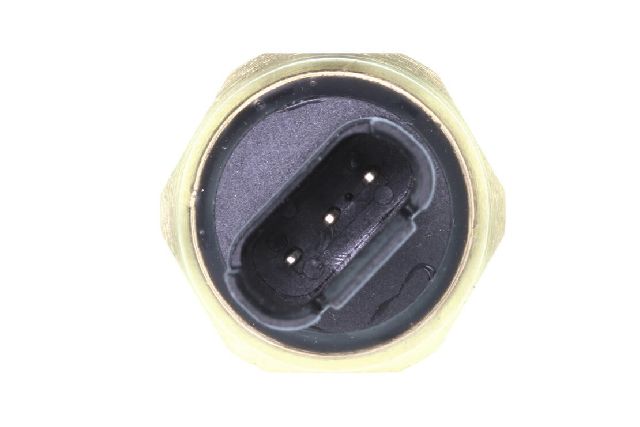
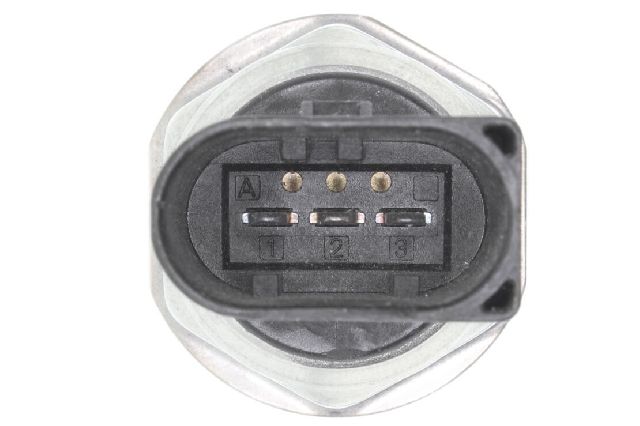
This is the high-pressure sensor located on the engine's fuel rail. It is not the low-pressure sensor, which is located elsewhere.
We Have This Part in Stock


The information in this article is provided for general reference and educational purposes only. Vehicle specifications, procedures, and part compatibility can vary by production date, trim level, and region. Always consult your vehicle's factory service manual and verify part numbers before purchasing or performing repairs. Safety-critical components such as airbags, seat belts, and braking systems should be installed by a qualified professional.
- BMW 535i: