

A Practical Guide to Replacing the Oxygen Sensor on Your 2008-2015 Honda CR-V
Fix your check engine light and improve gas mileage by choosing the right oxygen sensor for your CR-V.
- Always diagnose the specific check engine light code before buying a part.
- For best results and to avoid compatibility issues, choose a Denso or NGK (NTK) brand sensor.
- For 2008-2009 models, inspect the sensor's wiring connector for grease contamination before replacement, as per TSB #SB-08-067.
- Driving with a bad oxygen sensor can lead to costly catalytic converter damage.
Is Your CR-V's Oxygen Sensor Failing?


A bad oxygen sensor can cause real problems for your CR-V's 2.4L engine. The first sign for most drivers is the check engine light turning on. You might also notice your gas mileage getting worse or the engine running rough, with poor acceleration or a shaky idle. In some cases, you might smell a 'rotten egg' odor from the exhaust. 🎬 Watch: 7 symptoms of a bad oxygen sensor you shouldn't ignore. Ignoring a bad sensor for too long can lead to a very expensive failure of your catalytic converter, so it's a repair you shouldn't put off.
A Known Issue for 2008-2009 Models
There is a Honda Technical Service Bulletin (TSB #SB-08-067) for some 2008 CR-V models. It warns that high under-hood temperatures can cause grease from a fuse box connector to melt and drip down the wiring into the oxygen sensor's plug. This can cause sensor-related check engine light codes like P0134, P0135, P0171, or P1157. 🎬 See how to diagnose and fix the P0134 engine code. Before replacing the sensor, it's wise to inspect the wiring harness and connector for any signs of grease or contamination. If the connector is contaminated, it must be cleaned or repaired, or the new sensor will fail too.
Choosing the Right Aftermarket Oxygen Sensor

When it comes to engine sensors for a Honda, brand choice matters. The engine's computer is sensitive and expects to see signals from the original type of sensor. For the 2008-2015 CR-V, this is especially true.
Tier 1: OEM-Equivalent Brands (Highly Recommended)
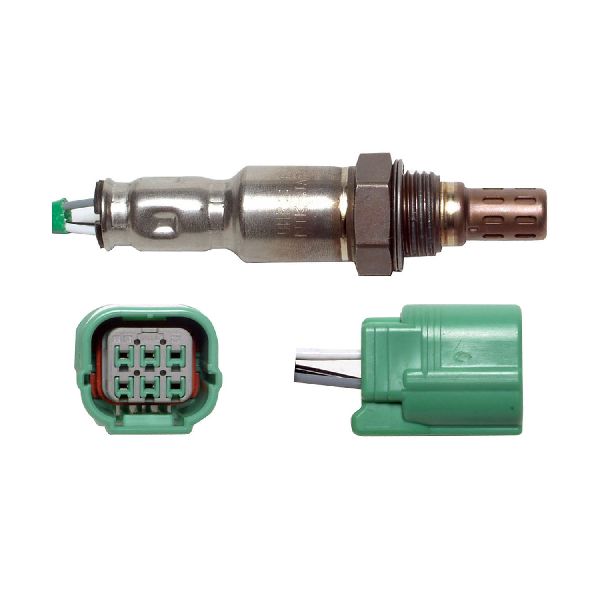
- Denso: Denso is an Original Equipment Manufacturer (OEM) for Honda, meaning they made the original part that came in your CR-V. Their aftermarket sensors are made to the same strict standards and are the safest choice for a direct, trouble-free replacement.
- NGK / NTK: NGK (under their sensor brand NTK) is another OEM supplier for Honda. Like Denso, an NTK sensor is a top-quality choice that will work correctly with your vehicle's computer system.
Tier 2: Reputable Aftermarket Brands (Use with Caution)
- Bosch: Bosch is a huge, reputable parts maker and invented the oxygen sensor. However, many Honda owners and mechanics have reported problems when using Bosch sensors on Honda vehicles. Issues like early failure or incompatibility codes are mentioned in owner forums. While they may work, choosing Denso or NGK is a safer bet for your CR-V.
- Delphi: Delphi is another large parts supplier with a generally good reputation. They are a viable option, but do not have the specific OEM-supplier status for Honda that Denso and NGK do.
Tier 3: Budget Brands
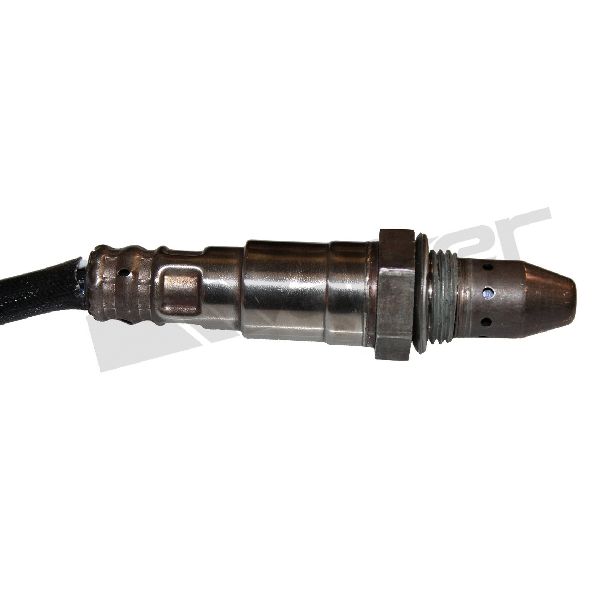
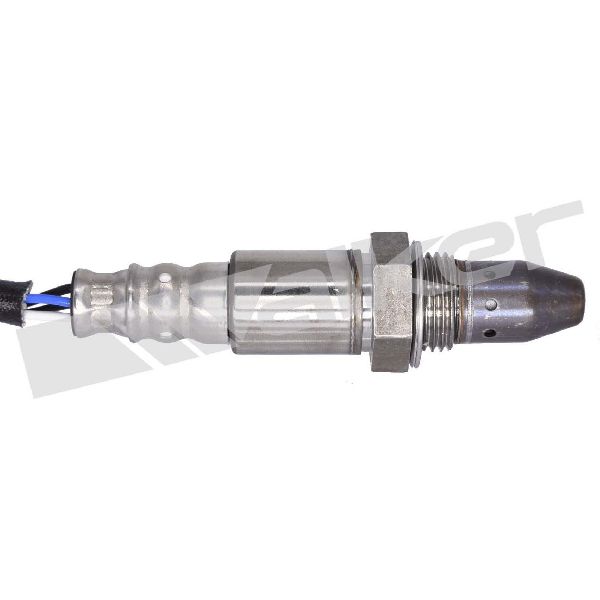
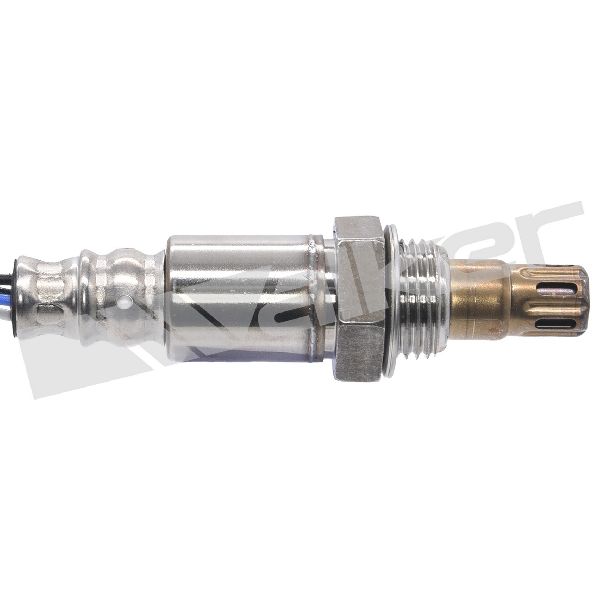
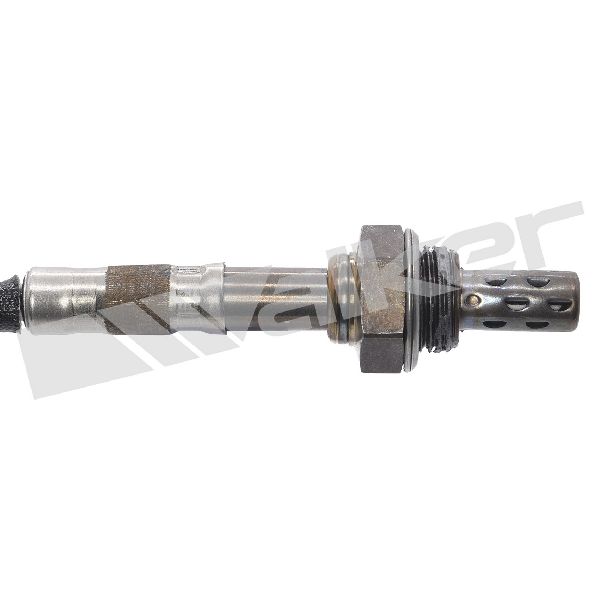
- Walker Products, DriveWire: These brands offer a lower-cost alternative. While they may function, their long-term reliability and performance may not match the OEM-equivalent brands. Given the importance of the sensor, it's usually worth spending a little more for a Denso or NGK part to avoid future headaches.
How Much Does a Replacement Cost?
The cost depends on the brand you choose and whether you do the work yourself. The upstream sensor (air-fuel ratio sensor) is often more expensive than the downstream sensor.
| Part Type | Estimated Cost |
|---|---|
| New Aftermarket Sensor | $72 - $317 |
| Shop Labor | $100 - $220 |
| Total Professional Job | $172 - $537 |
Frequently Asked Questions

How many oxygen sensors does my 2008-2015 CR-V have?
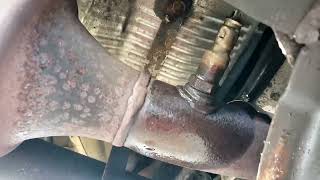
Your CR-V has two oxygen sensors. Sensor 1 (Bank 1) is the upstream sensor, located on the exhaust manifold before the catalytic converter. Sensor 2 (Bank 1) is the downstream sensor, located after the catalytic converter.
What is the difference between an upstream and downstream sensor?
The upstream sensor (also called an Air/Fuel Ratio Sensor) is the primary sensor the engine computer uses to adjust the fuel mixture. The downstream sensor's main job is to monitor the health of the catalytic converter. They are not interchangeable.
Can I replace the oxygen sensor myself?
Yes, this is a DIY-friendly job for many people. The biggest challenge can be removing the old sensor if it is rusted in place. You will likely need a special oxygen sensor socket, which has a slot for the wire to pass through. Always apply anti-seize compound to the threads of the new sensor before installation.
What happens if I don't replace a bad oxygen sensor?
You will continue to have poor fuel economy and higher emissions. More importantly, a bad sensor feeding the wrong information to the engine computer can cause the catalytic converter to overheat and fail. Replacing a catalytic converter is a much more expensive repair than replacing an oxygen sensor.
Helpful Videos
![Bad O2 Sensor Symptoms Downstream & Upstream [Oxygen Sensor Failure and Causes] How to fix & Replace](https://img.youtube.com/vi/b-xxdBlikSA/mqdefault.jpg)
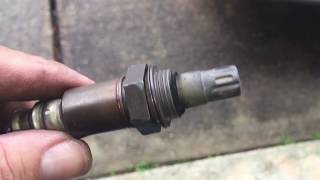
![How to Fix HONDA P0134 Engine Code in 3 Minutes [2 DIY Method / Only $9.88]](https://img.youtube.com/vi/fb8HzV2A2qU/mqdefault.jpg)
Technical Specifications
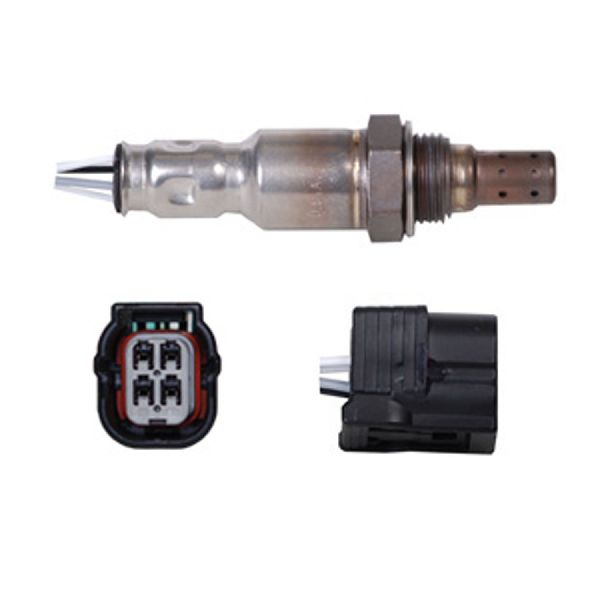
The 2008-2015 Honda CR-V 2.4L engine uses two oxygen sensors: one upstream (Air/Fuel Ratio Sensor) and one downstream. Both are heated 4-wire sensors. The specific part number varies by exact year and whether it is for the upstream or downstream position.
We Have This Part in Stock

The information in this article is provided for general reference and educational purposes only. Vehicle specifications, procedures, and part compatibility can vary by production date, trim level, and region. Always consult your vehicle's factory service manual and verify part numbers before purchasing or performing repairs. Safety-critical components such as airbags, seat belts, and braking systems should be installed by a qualified professional.
- Honda CR-V: