

A Guide to Replacing the Radiator on Your 2008-2015 GMC Yukon
Keep your Yukon's engine cool and prevent breakdowns by understanding when and how to replace a failing radiator.
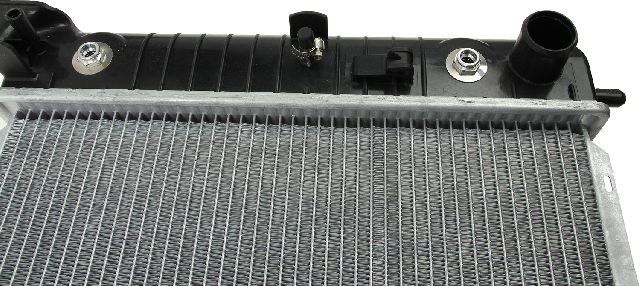
- The most common failure is a leak where the plastic side tanks meet the aluminum core.
- Verify if your Yukon needs a radiator with just a transmission cooler or one with both transmission and engine oil coolers before ordering.
- Upgrading to an all-aluminum radiator from a brand like Mishimoto or CSF is a smart choice for towing or longevity.
- If replacing the radiator, it is highly recommended to also replace the hoses, thermostat, and radiator cap at the same time.
Is Your Yukon's Radiator Failing? Common Symptoms

A failing radiator is a serious issue that can lead to engine overheating and catastrophic damage. If you notice any of these signs, it's time to inspect your cooling system immediately.
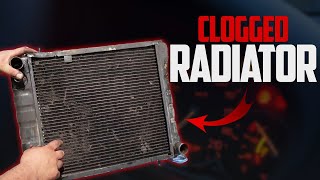
🎬 Watch: 7 signs of a clogged or failing radiator- Engine Temperature Gauge Climbing: The most obvious sign. If your temp gauge is creeping into the red zone, especially while idling or towing, your radiator may not be cooling effectively.
- Visible Coolant Leaks: Finding puddles of brightly colored fluid (pink, orange, or green) under the front of your Yukon is a clear sign of a leak. The most common failure point on these radiators is where the plastic side tanks are crimped to the aluminum core.
- Sweet Smell: The coolant used in your Yukon (typically Dex-Cool) has a distinct sweet odor. If you smell this inside or outside the vehicle, it's a strong indicator of a coolant leak, even if you can't see it.
- Low Coolant Level: Frequently needing to top off your coolant reservoir means the fluid is going somewhere. A slow leak in the radiator is a likely culprit.
- Discolored or Sludgy Coolant: Coolant should be a bright, translucent color. If the fluid in your overflow tank looks rusty, brown, or sludgy, it can indicate internal corrosion in the radiator, which clogs the system.
Known Issues for 2008-2015 GMC Yukon Radiators

While no specific radiator recalls exist for the 2008-2015 Yukon, a known issue on many GM trucks and SUVs from this era involves the plastic end tanks. Over many heat cycles, the plastic can become brittle and crack, or the seals where they join the aluminum core can fail, causing leaks. This is the most common reason for replacement. Additionally, some Technical Service Bulletins (TSBs) for later models point to thermostat issues causing excessive pressure, leading to radiator leaks. While not directly for this year range, the failure pattern is similar.
Crucial Ordering Mistake: Check Your Cooler Lines!
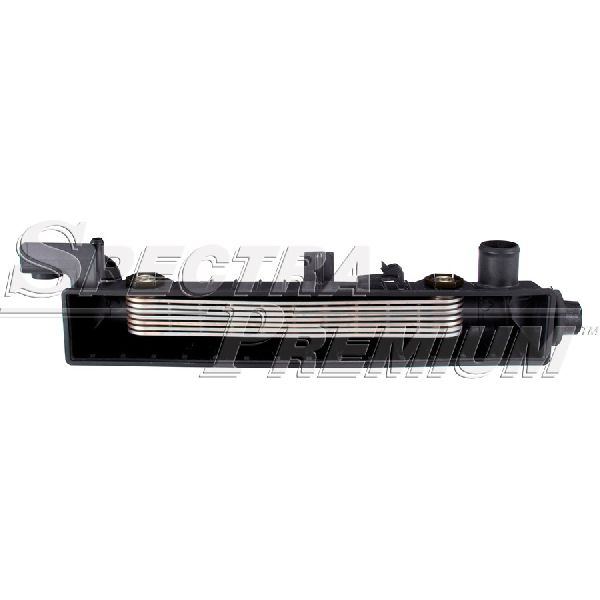
The biggest mistake when ordering a new radiator for a Yukon is getting the wrong one for your specific options. Your truck may have just a transmission cooler, or both a transmission cooler and an engine oil cooler integrated into the radiator. Before you order, check your current radiator. If you have lines going into both the passenger side (transmission) and driver side (engine oil) tanks, you need a radiator with both coolers. If you only have lines on the passenger side, you need the transmission cooler-only version. Buying the version with both coolers provides a safe bet if you are unsure, as the unused oil cooler ports do not need to be plugged.
Choosing a New Aftermarket Radiator

When your original radiator fails, you have several aftermarket options that can offer better performance and durability than the stock unit, often at a lower price.
Performance Brands: ($$$)
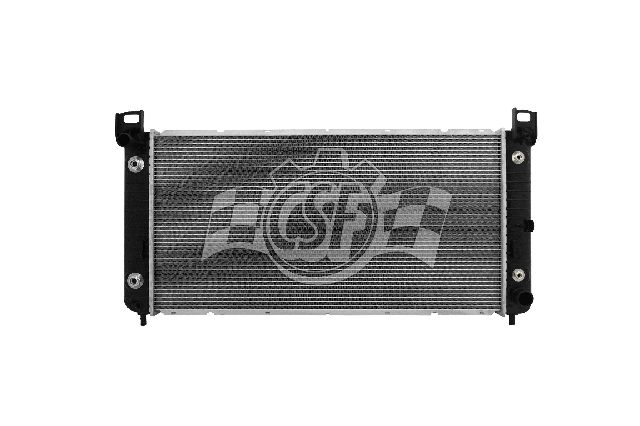
Mishimoto, Frostbite, CSF, Koyorad: These brands specialize in high-performance cooling. Many offer all-aluminum radiators, which eliminate the weak point of the plastic end tanks. They are fully welded and often have a thicker core for increased cooling capacity. This is a smart upgrade if you tow heavy loads, live in a hot climate, or simply want maximum durability. Forum users often recommend Mishimoto as a worthwhile upgrade over a standard replacement.
OEM-Equivalent Brands: ($$)
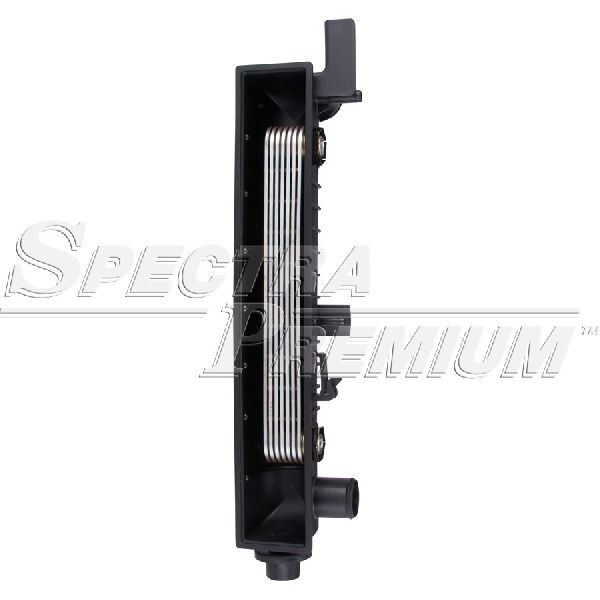
Denso, Spectra, ACDelco: These brands are the go-to for reliable, direct-fit replacements that perform like the original. Denso is a well-respected OEM supplier with a reputation for quality. Spectra is another popular choice that often meets or exceeds original specifications and is widely available. ACDelco is GM's own parts brand, offering a trusted fit, but be aware they have different quality tiers.
Economy Brands: ($)
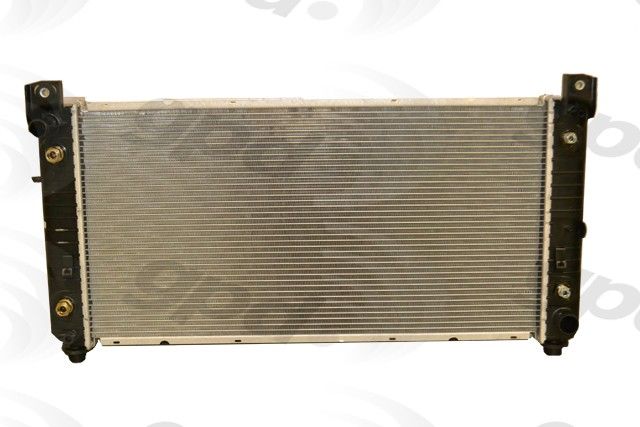
APDI, Global Parts, Onix, One Stop Solutions: These brands provide a budget-friendly solution to get your Yukon back on the road. While they are manufactured to fit and function, they may not have the same long-term durability or advanced features as the higher-tiered brands. They can be a good choice for a vehicle that isn't used for heavy-duty tasks.
| Item | Estimated Cost |
|---|---|
| New Aftermarket Radiator (Part Only) | $100 - $450 |
| Performance All-Aluminum Radiator (Part Only) | $450 - $1,000+ |
| Shop Labor | $275 - $405 |
| Total Professional Replacement (Aftermarket) | $375 - $855 |
Pro Tip: Replace More Than Just the Radiator
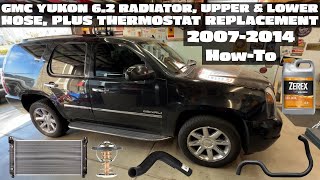
While you have the cooling system drained and accessible, it's a smart and cost-effective move to replace the upper and lower radiator hoses, thermostat, and radiator cap. These components are relatively inexpensive and wear out over time. A failed hose or thermostat can cause your new radiator to fail, wasting all your hard work.
🎬 See this full walkthrough for radiator, hoses, and thermostat replacementFrequently Asked Questions
Is replacing the Yukon's radiator a DIY job?
Yes, for someone with moderate mechanical skill. The job involves draining the coolant, disconnecting hoses and cooler lines, removing the fan shroud, and unbolting the radiator. It does not typically require special tools, but you need to be careful with the quick-disconnect fittings for the cooler lines. Expect it to take 2-4 hours.
Do I need to bleed the cooling system after replacement?
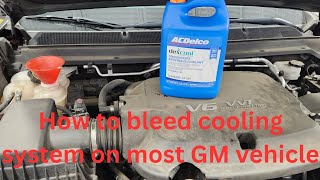
Yes, this is a critical step. Air trapped in the cooling system can cause overheating issues. After installing the new radiator, you must properly fill and bleed the system to remove all air pockets. This often involves running the engine with the heater on high and the reservoir cap off until the thermostat opens and all air has escaped.
🎬 Watch: How to properly bleed air from your Yukon's coolantWhat kind of coolant should I use for my 2008-2015 Yukon?
Your GMC Yukon requires a specific type of coolant, typically Dex-Cool, which is an orange-colored Organic Acid Technology (OAT) coolant. Using the wrong type of coolant can lead to corrosion and damage to your cooling system. Always use the recommended coolant and mix it with distilled water if it's not a pre-mixed 50/50 solution.
Can I upgrade to a thicker radiator for better cooling?
Yes. Some Yukons, especially those with towing packages or rear A/C, came with a thicker 1 3/8-inch core, while standard models used a 1-inch core. Upgrading to a thicker core or a multi-row performance radiator from a brand like Mishimoto can significantly improve cooling performance, which is highly recommended for towing.
Helpful Videos
Technical Specifications
OEM Part Numbers: 15841569 20935856 22840115 15193108 15841571
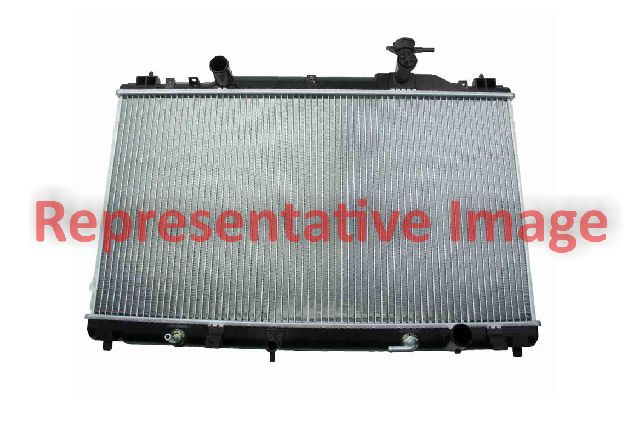
Core dimensions are typically around 34 inches wide by 17.25 inches high. Core thickness varies between 1 inch and 1.25 inches (or 1 3/8 inches) depending on the cooling package. Most are a cross-flow design with an aluminum core and plastic tanks. Check for integrated engine oil cooler (driver side) and transmission oil cooler (passenger side) ports.
We Have This Part in Stock

The information in this article is provided for general reference and educational purposes only. Vehicle specifications, procedures, and part compatibility can vary by production date, trim level, and region. Always consult your vehicle's factory service manual and verify part numbers before purchasing or performing repairs. Safety-critical components such as airbags, seat belts, and braking systems should be installed by a qualified professional.
- GMC Yukon: