

A Guide to Replacing Engine Mounts on a 2008-2014 Nissan Altima
If your Altima is shaking, vibrating, or making clunking noises, it might be time for new engine mounts.
- The passenger-side hydraulic mount is the most common failure point causing heavy vibration.
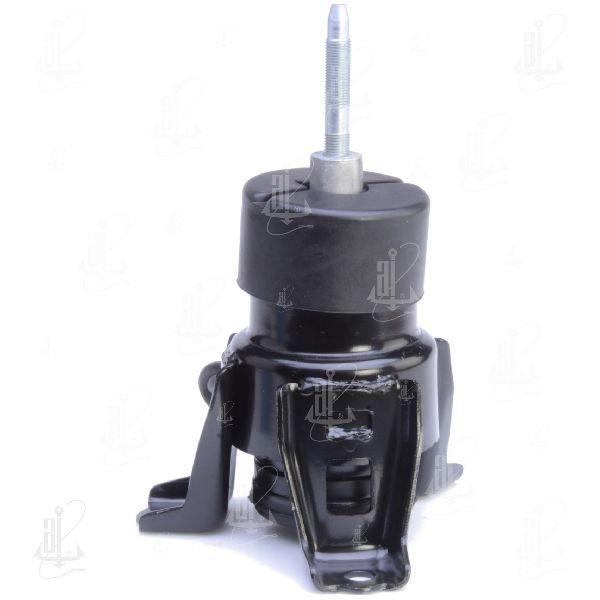
- Budget aftermarket mounts are usually solid rubber and will increase cabin vibration; hydraulic-style mounts are recommended for comfort.
- Replacing engine mounts is a moderately difficult DIY job that requires safely supporting the engine.
- A 'clunk' noise when shifting or accelerating is a classic sign of a bad mount, often the upper torque strut.
Is Your Altima Shaking? It Could Be the Engine Mounts

If you're feeling a strong vibration through the steering wheel and seats at idle, or hearing a loud 'clunk' when you shift into gear, you're likely dealing with a failed engine mount. These are very common issues for the 2008-2014 Nissan Altima. Over time, the rubber and hydraulic fluid in the mounts break down, allowing the engine to move around too much.
Common Failure Points on the 2008-2014 Altima

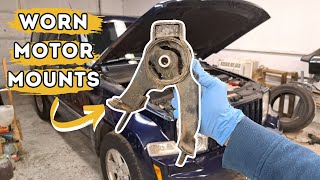
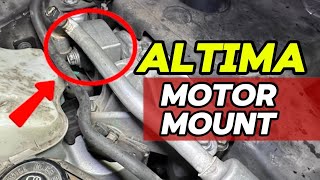
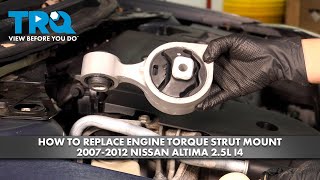
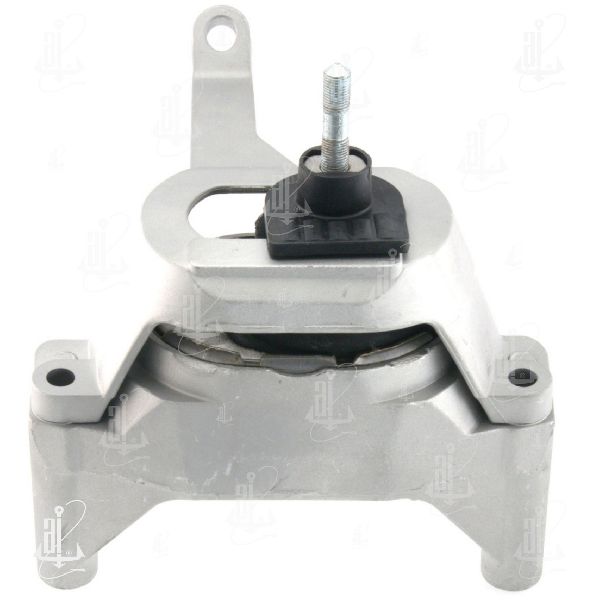
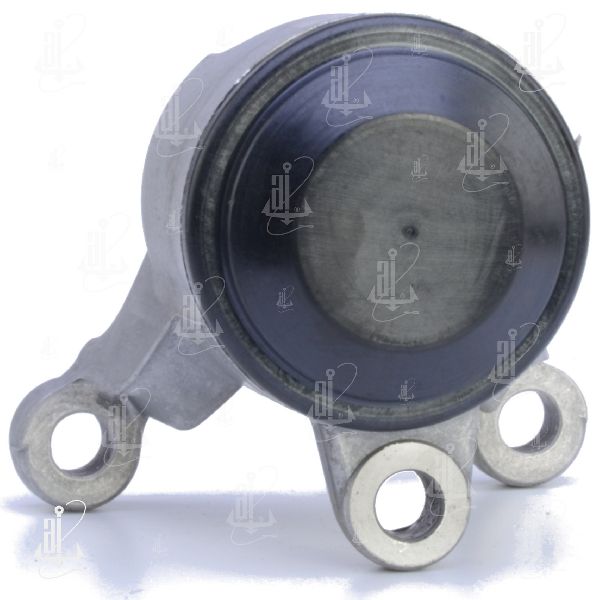
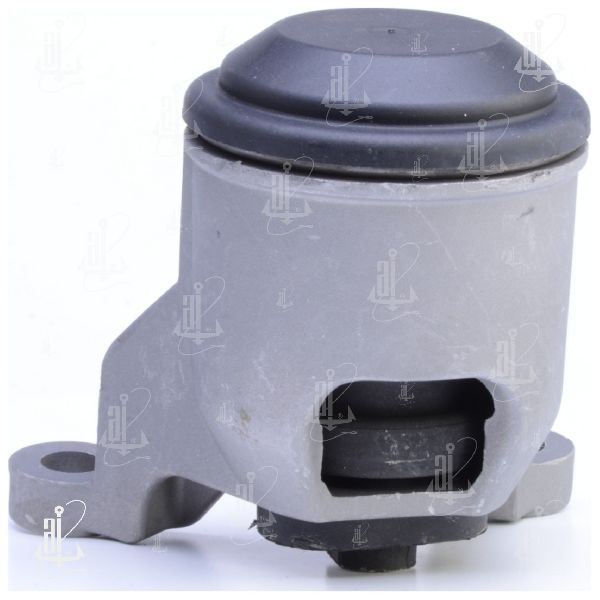
The most frequent failure on these cars is the passenger-side engine mount. This is a hydraulic, fluid-filled mount that is great at absorbing vibrations when it's new, but it's also the most likely to wear out and leak. When it fails, you'll notice a significant increase in vibration, especially at idle with the car in 'Drive'. The upper torque strut mount, often called a 'dog bone' mount, is also a common wear item that leads to clunking noises on acceleration.
OEM vs. Aftermarket: A Critical Choice for Your Altima
This is one repair where the quality of the part makes a huge difference in how your car feels. The original Nissan (OEM) mounts are hydraulic and provide the best vibration damping. Many budget aftermarket mounts are made of solid rubber. While durable, they will transfer more engine vibration into the cabin, which can be very noticeable at idle in an Altima. If you want to maintain the original smooth feel, it is highly recommended to choose a higher-quality aftermarket brand that specifies a hydraulic design, or stick with the OEM part.
Choosing the Right Aftermarket Mount

Not all aftermarket mounts are created equal. For a daily-driven Altima, the trade-off between price and comfort is key.
- Good (Value-Oriented): Brands like Anchor, DEA, and Westar offer affordable, solid rubber mounts. They are functional and will secure the engine, but be prepared for a noticeable increase in vibration at idle compared to the original part. These are a budget-friendly fix but compromise on comfort.
- Better (OEM-Style): A brand like Beck Arnley often focuses on matching the original factory specifications, which may include a hydraulic design for key mounts. This is often a good middle ground, providing better vibration control than solid mounts without the high cost of OEM parts.
How Much Does an Engine Mount Replacement Cost?
The cost depends on whether you do it yourself and which mounts you replace. Replacing just the common passenger-side mount will be cheaper than a full set of four.
| Item | Estimated Cost |
|---|---|
| New OEM Mounts (Parts Only) | $150 - $250+ per mount |
| New Aftermarket Mounts (Parts Only) | $40 - $187 per mount |
| Shop Labor | $130 - $300+ |
| Total Professional Replacement (1-2 mounts) | $495 - $556+ |
Frequently Asked Questions

How many engine mounts does a 2008-2014 Altima have?
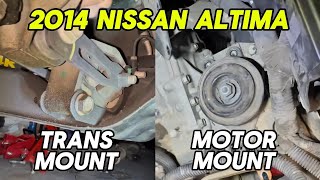
The Nissan Altima in this year range typically has four mounts: a passenger-side hydraulic mount, a front torque strut (dog bone) mount, a rear mount, and a transmission mount on the driver's side.
Is replacing an engine mount a DIY job?
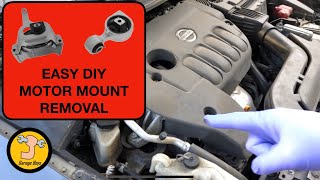
It can be, but it's for the experienced DIYer. The job requires supporting the engine from underneath with a jack and a block of wood. Access to some bolts can be tight, and you may need to remove other components like the coolant reservoir to get clearance. If you're not comfortable with this, it's best to leave it to a professional.
Will a new engine mount fix all vibrations?
It will fix vibrations caused by a failed mount. However, if you choose a solid rubber aftermarket mount, you may introduce a new, different type of vibration at idle. If you still have vibrations after replacing the mounts with quality parts, other issues could be at play.
Are there any recalls for Altima engine mounts?
There are no specific NHTSA safety recalls for engine mounts on the 2008-2014 Nissan Altima. However, there is a Technical Service Bulletin (TSB) for some V6 models (NTB14-060c) that notes a 'thunk' noise from the front mount on the first few accelerations of the day is considered normal and not a reason for replacement.
Helpful Videos
Technical Specifications
OEM Part Numbers: 11210-JA000 (Passenger Side, 2.5L) 11210-9N00A (Passenger Side, 3.5L) 11350-JA10A (Torque Rod/Strut) 11270-JA10A (Front, 3.5L)
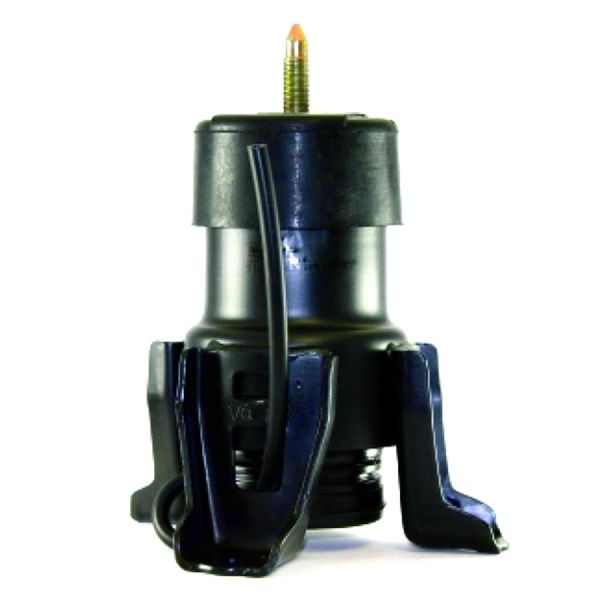
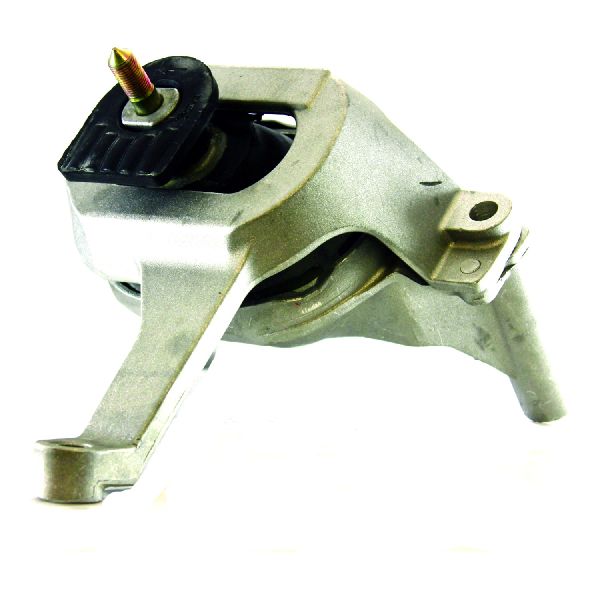
The 2008-2014 Altima uses a combination of hydraulic and solid rubber mounts. The primary passenger-side mount (11210-JA000 for 2.5L) is a fluid-filled hydraulic design to minimize Noise, Vibration, and Harshness (NVH). The upper mount is a torque strut, also known as a 'dog bone' mount.
We Have This Part in Stock

The information in this article is provided for general reference and educational purposes only. Vehicle specifications, procedures, and part compatibility can vary by production date, trim level, and region. Always consult your vehicle's factory service manual and verify part numbers before purchasing or performing repairs. Safety-critical components such as airbags, seat belts, and braking systems should be installed by a qualified professional.
- Nissan Altima: